AR & Smart Glasses EMF: Apple Vision, Meta Ray-Bans & Your Head
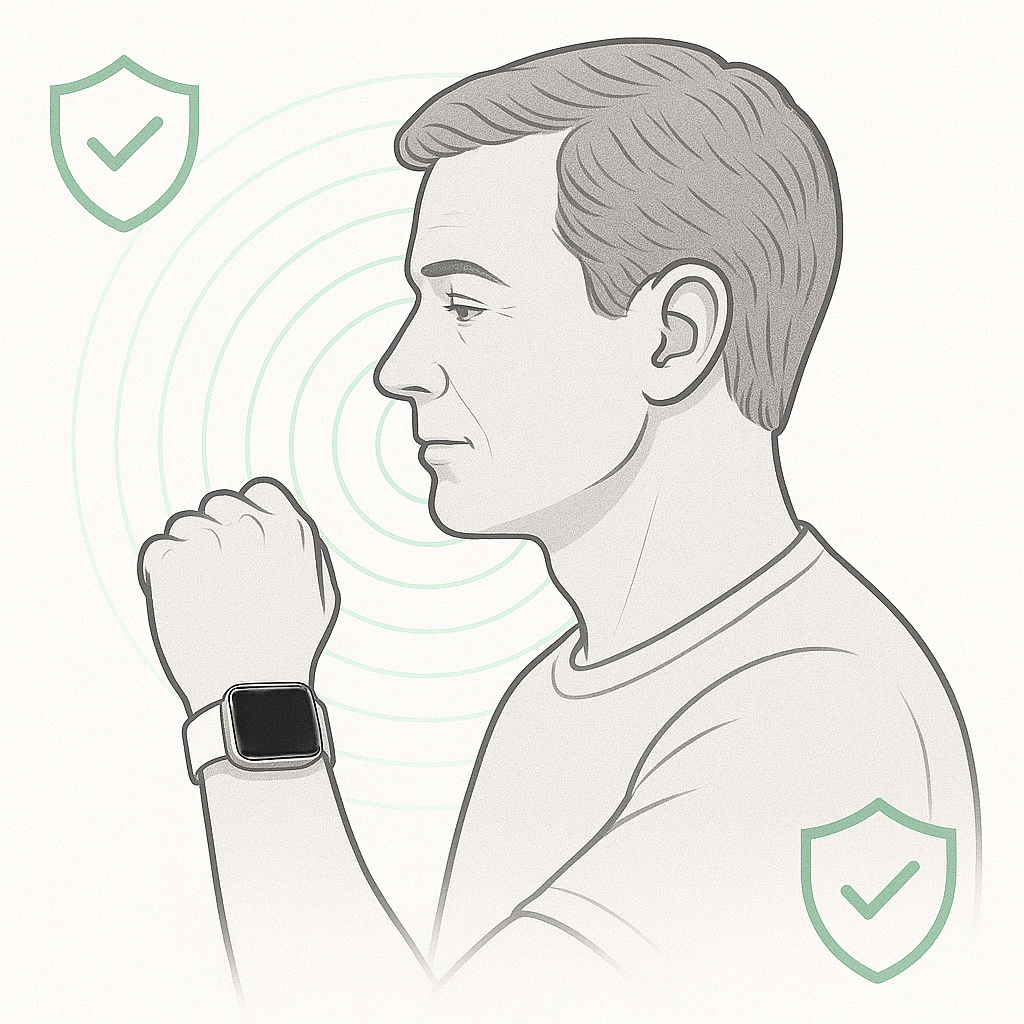
Smart glasses have gone mainstream. Meta's Ray-Bans, Apple's Vision headset and a wave of AR eyewear now put a full computer — cameras, speakers, and crucially wireless radios — directly onto your face. Unlike a phone you can hold away or set down, these devices sit on your temples, beside your eyes and brain, for as long as you wear them. That makes them a genuinely new kind of EMF exposure: low-power, but intimately placed and potentially worn for hours. This guide explains what AR and smart glasses actually emit, why the head-worn placement is the key issue, and how to enjoy the technology with lower exposure.
📋 In This Guide
What Smart Glasses Emit
AR and smart glasses are wireless devices. Depending on the model they include Bluetooth (to a paired phone), Wi-Fi, and sometimes their own cellular or ultra-wideband radios. To stream audio, sync a display, run assistants and push data back and forth, they transmit radiofrequency more or less continuously while in use — from a position centimetres from your ears, eyes and the sides of your brain.
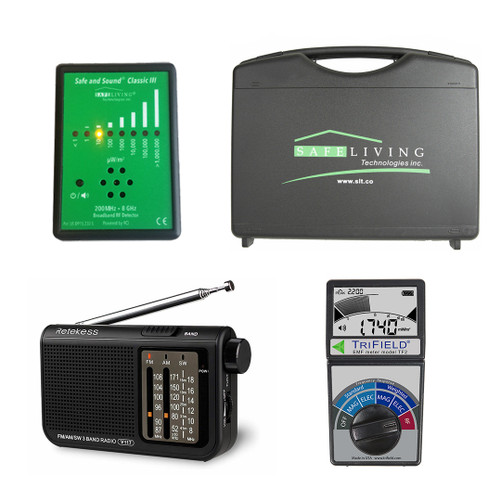
📏 Measure the New Wearables
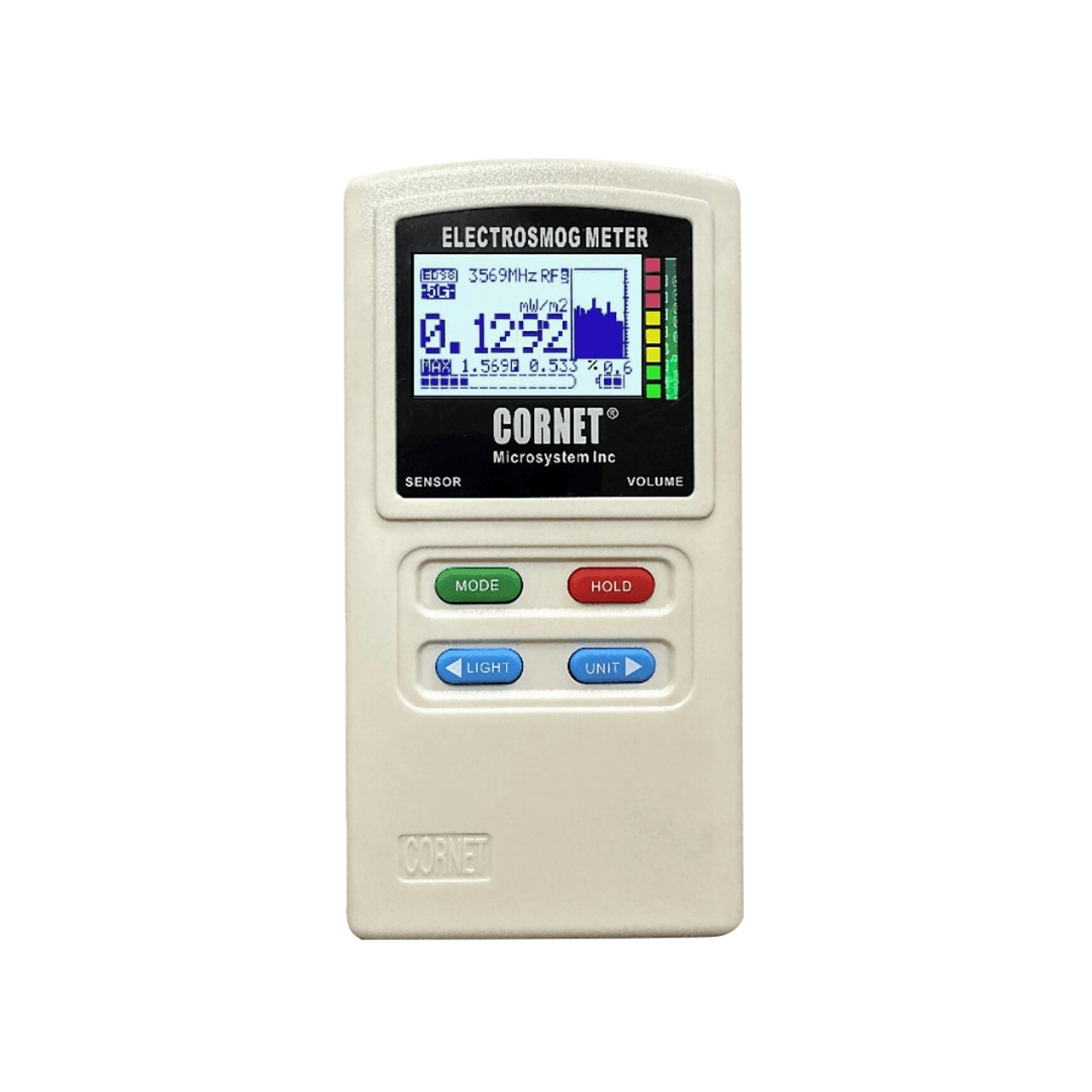
RF Meters & Personal Protection
Check what your wearables emit and reduce your overall exposure.
Why On-the-Head Placement Matters
EMF exposure is dominated by proximity, and nothing is closer than a device worn on your face. Smart glasses place their radios right at the temples — beside the brain — and next to the eyes, tissues that are sensitive and, in the case of the lens, poorly cooled. Even at lower power than a phone, a transmitter held permanently against the head for hours is a different exposure profile from a phone you use in bursts and put down. It's the same reason we flag caution around AirPods and wireless earbuds — head-worn, continuous, close.
Smart Glasses vs a Phone
A phone on a call can transmit at higher power, but you typically hold it for minutes, can use speaker or air-tube earphones, and can set it down. Smart glasses flip that: lower power, but worn continuously and impossible to distance from your head while in use. The honest comparison isn't "worse or better" — it's a different trade-off: intensity for duration and intimacy. For long daily wear, that constant close exposure is the thing to be mindful of.
Who Should Be Most Careful
Children and Heavy Users
Children absorb more RF and are still developing — head-worn wireless devices deserve strict limits for them. Heavy adult users (all-day AR wear for work or gaming) accumulate the most exposure and benefit most from breaks and offline modes. Anyone who already experiences EMF sensitivity should trial these devices cautiously.
How to Use Them With Lower EMF
Limit Continuous Wear
Treat all-day wear as the high-exposure scenario. Take the glasses off when you're not actively using them, rather than leaving them on out of habit.
💰 FreeUse Offline / Airplane Modes
When you don't need connectivity (offline media, notes), switch off the radios so the device stops transmitting while still on your face.
✈️ Big reductionKeep the Paired Phone Off Your Body
The glasses talk to your phone — keep that phone on a desk, not in a pocket, to reduce the whole system's exposure to your body.
📱 DistanceTake Regular Breaks
Give your head EMF-free intervals through the day, and don't wear them to sleep or relax when they're not needed.
⏸️ RecoverMeasure If You're Curious
An RF meter shows how much your specific glasses emit in different modes. See our meter guide.
📏 Verify🕶️ Enjoy the Tech, Mind the Dose
Shop RF Meters & Personal Protection
Measure your wearables and lower your day-to-day exposure.
Shop at emf-protection.co.uk →Affiliate disclosure: We earn a small commission on purchases via this link — at no extra cost to you.
Frequently Asked Questions
Do smart glasses emit EMF?
Yes — Bluetooth, Wi-Fi and sometimes cellular radios transmit RF from directly on your head, beside the eyes and brain, for as long as you wear them.
Are Apple Vision and Meta Ray-Bans safe?
They meet phone SAR limits, but those are debated and head-worn devices place transmitters unusually close for long sessions. Occasional use is minor; heavy use warrants phone-like precautions.
Worse than a phone?
Lower power, but more intimate and continuous placement on the temples. For long wear, that constant close exposure is the trade-off.
How do I reduce it?
Limit wear time, use offline modes, keep the paired phone off your body, take breaks, and restrict children's use.