Dirty Electricity: The Hidden EMF in Every Home (and How to Filter It)
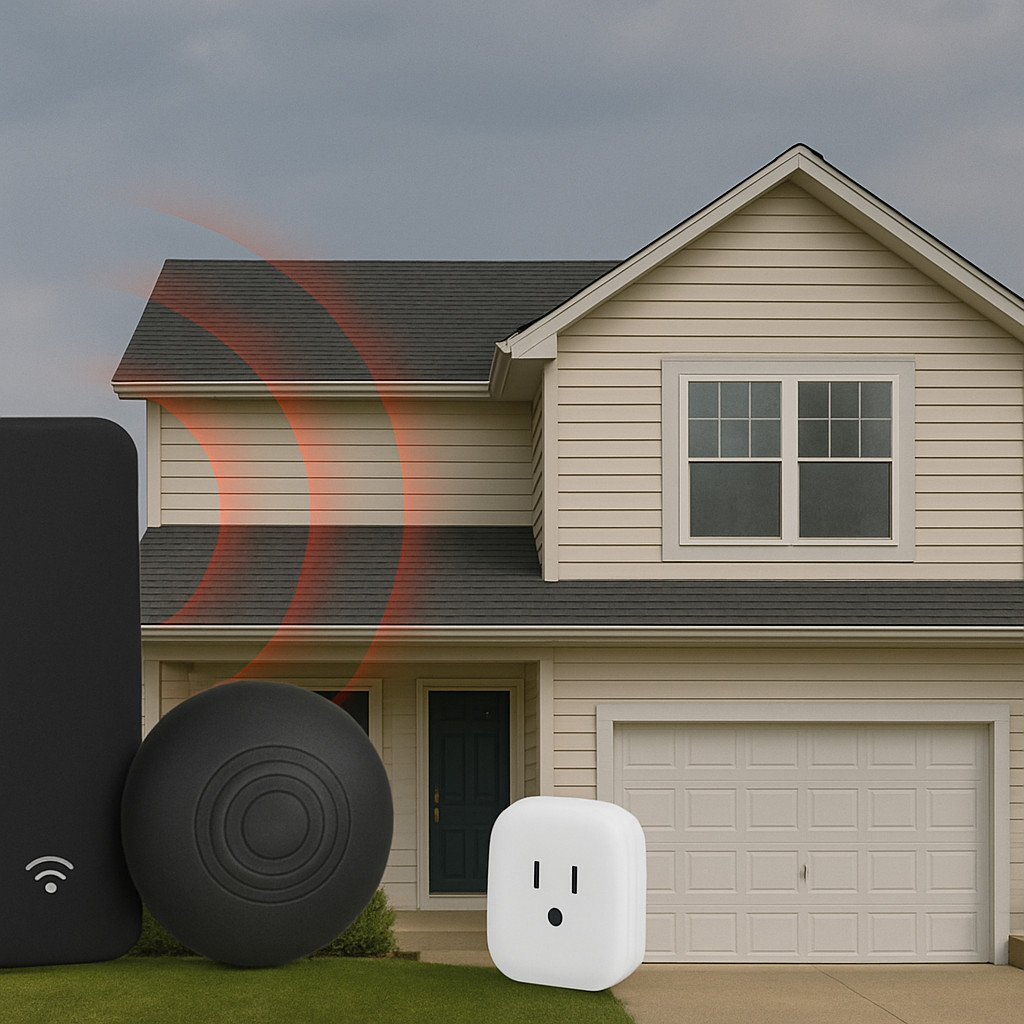
When most people think about EMF, they picture Wi-Fi routers, mobile phones and cell towers. But there is another source hiding inside the walls of almost every modern home — one you cannot see, that never switches off, and that most EMF meters do not even measure. It is called dirty electricity, and it travels through your building's wiring 24 hours a day. This guide explains what dirty electricity actually is, what creates it, what the research says about its effects on health, how to measure it, and — most importantly — the practical steps you can take to reduce and filter it.
📋 In This Guide
What Is Dirty Electricity?
The electricity supplied to your home is meant to be a clean, smooth wave alternating at 50 Hz (in the UK, Europe and most of the world) or 60 Hz (in North America). Dirty electricity — also called electrical noise, high-frequency transients or "electrical pollution" — refers to unwanted higher-frequency energy riding on top of that clean 50/60 Hz signal.
These transients typically sit in the range of roughly 2 kHz to 150 kHz. When electronic devices interrupt or "chop" the flow of current — which almost all modern electronics do — they create voltage spikes that feed back onto your home's wiring. Because copper wiring acts like an antenna, those spikes then radiate into the rooms where you live and sleep, and travel from circuit to circuit throughout the building.
🔌 Filter Your Wiring
Dirty Electricity Filters & Whole-House Solutions
Plug-in filters and whole-house units to reduce the high-frequency noise on your home wiring.
What Causes Dirty Electricity in Your Home
Dirty electricity is a by-product of the switch-mode power supplies and energy-saving technology that fills a modern home. The most common sources include:
- LED and CFL (energy-saving) bulbs — the driver circuitry that converts mains voltage is one of the biggest culprits, especially cheaper bulbs.
- Dimmer switches — they work by chopping the AC waveform, which injects significant high-frequency noise onto the circuit.
- Phone chargers, laptop adapters and other "wall wart" power supplies — anything that converts AC to DC.
- Solar panel inverters — a frequently overlooked but major source in homes with solar.
- Variable-speed motors — in appliances, heat-pump systems, pool pumps and modern washing machines.
- Televisions, computers, games consoles and smart devices.
- Smart meters — which add both radiofrequency emissions and switching noise to the line.
Why You Cannot Feel or See It
Dirty electricity produces no light, sound or heat you can detect, and standard RF meters designed for Wi-Fi and phone signals do not register it. This is exactly why it is so often missed — you need the right meter to reveal it. Many people who have "shielded everything" and still feel unwell discover that dirty electricity was the piece they were never measuring.
Health Concerns: What the Research Says
Research into dirty electricity is younger than research into radiofrequency EMF, but a growing body of work suggests it is biologically relevant. Much of the pioneering research comes from Dr Magda Havas, Professor Emerita at Trent University, whose studies have associated elevated dirty electricity with a range of effects in sensitive individuals:
- Headaches, fatigue, brain fog and difficulty concentrating.
- Disrupted sleep and a feeling of being "wired but tired".
- Worsened blood-sugar control in some people with diabetes.
- Aggravated symptoms in people with multiple sclerosis and other conditions in small case studies.
- Reports of improved wellbeing when dirty electricity is filtered out of homes and schools.
It is important to be balanced: this is an emerging field, findings are still being replicated, and individual sensitivity varies widely. However, because filtering dirty electricity is inexpensive, reversible and carries no meaningful downside, many building-biology practitioners treat it as a sensible precaution — particularly in bedrooms and children's rooms where you spend the most time. You can read more about the wider evidence base on our EMF information hub.
Where to Prioritise
If you only address dirty electricity in one place, make it the bedroom. You spend roughly a third of your life there, and it is where your body does most of its repair. A pair of filters near the bed and the removal of dimmers and cheap LED bulbs from the room is a high-impact, low-cost starting point. See our full bedroom EMF guide for the complete picture.
How to Measure Dirty Electricity
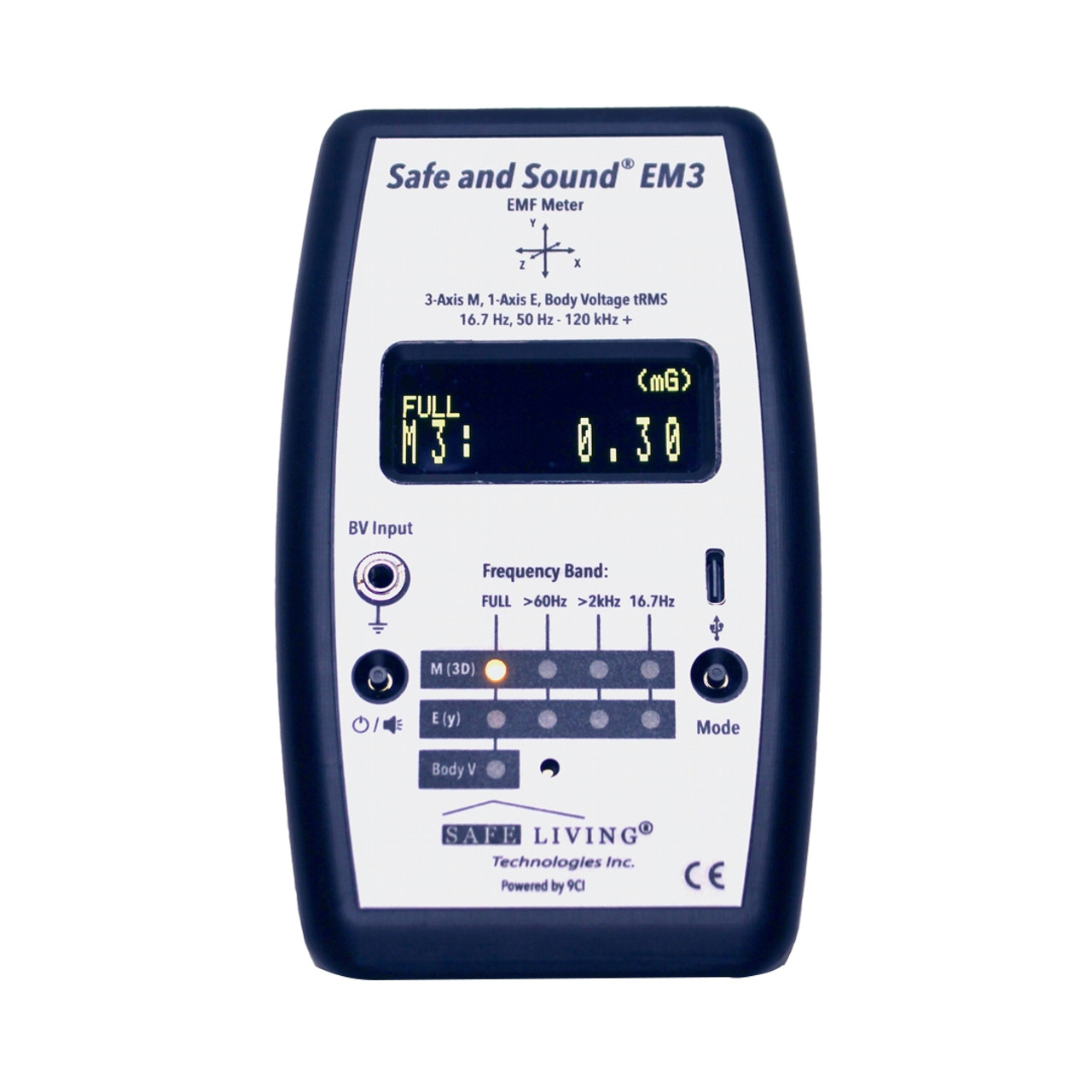
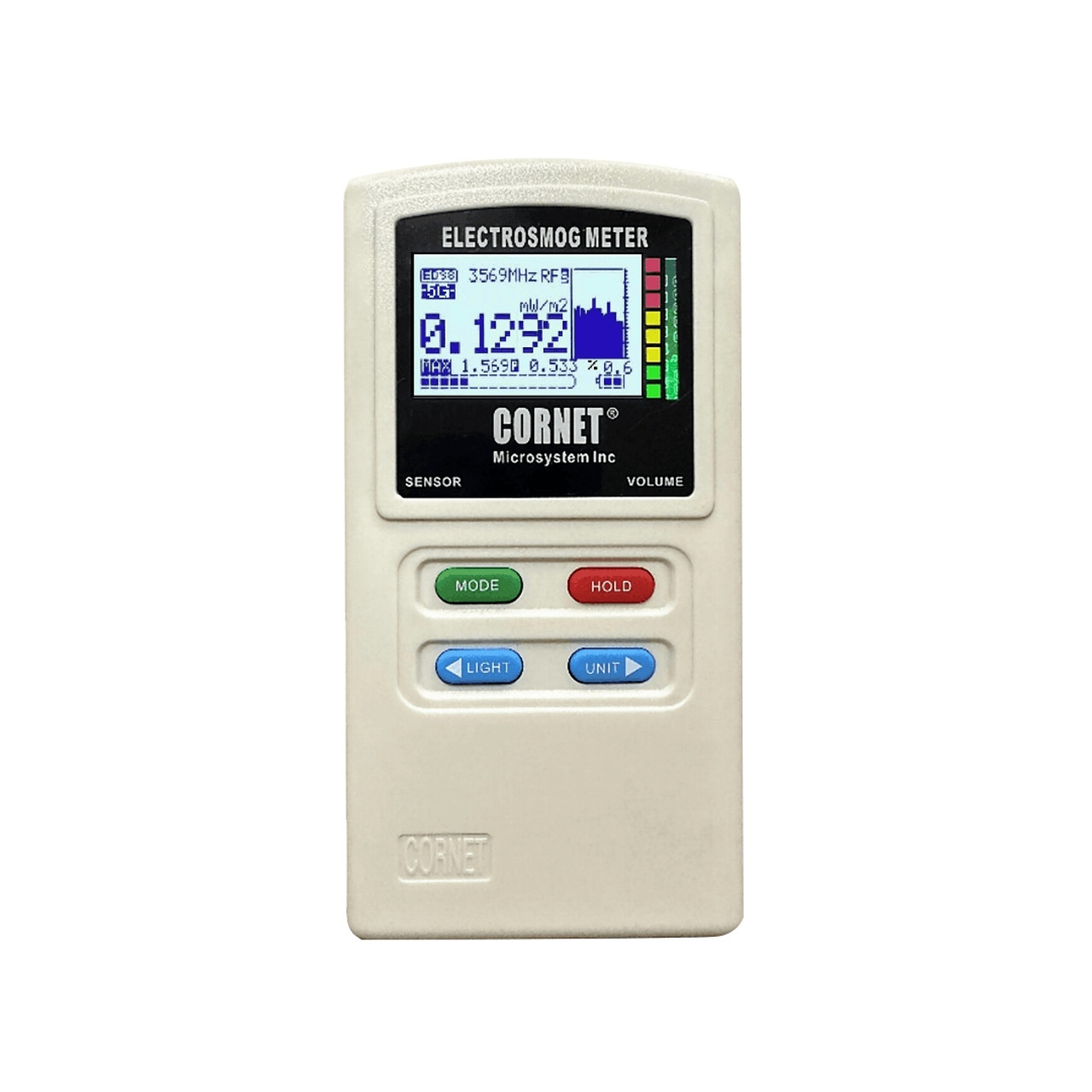
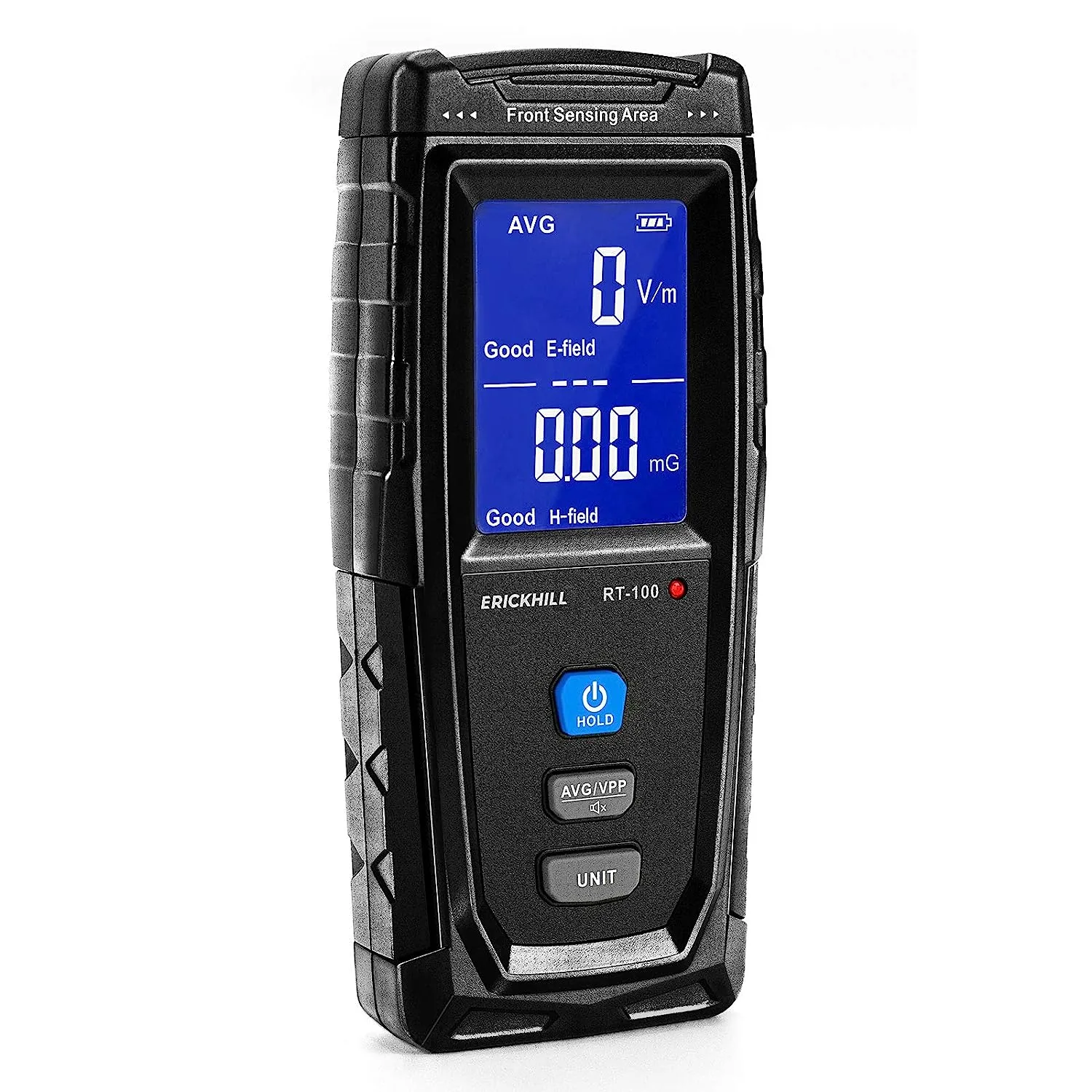
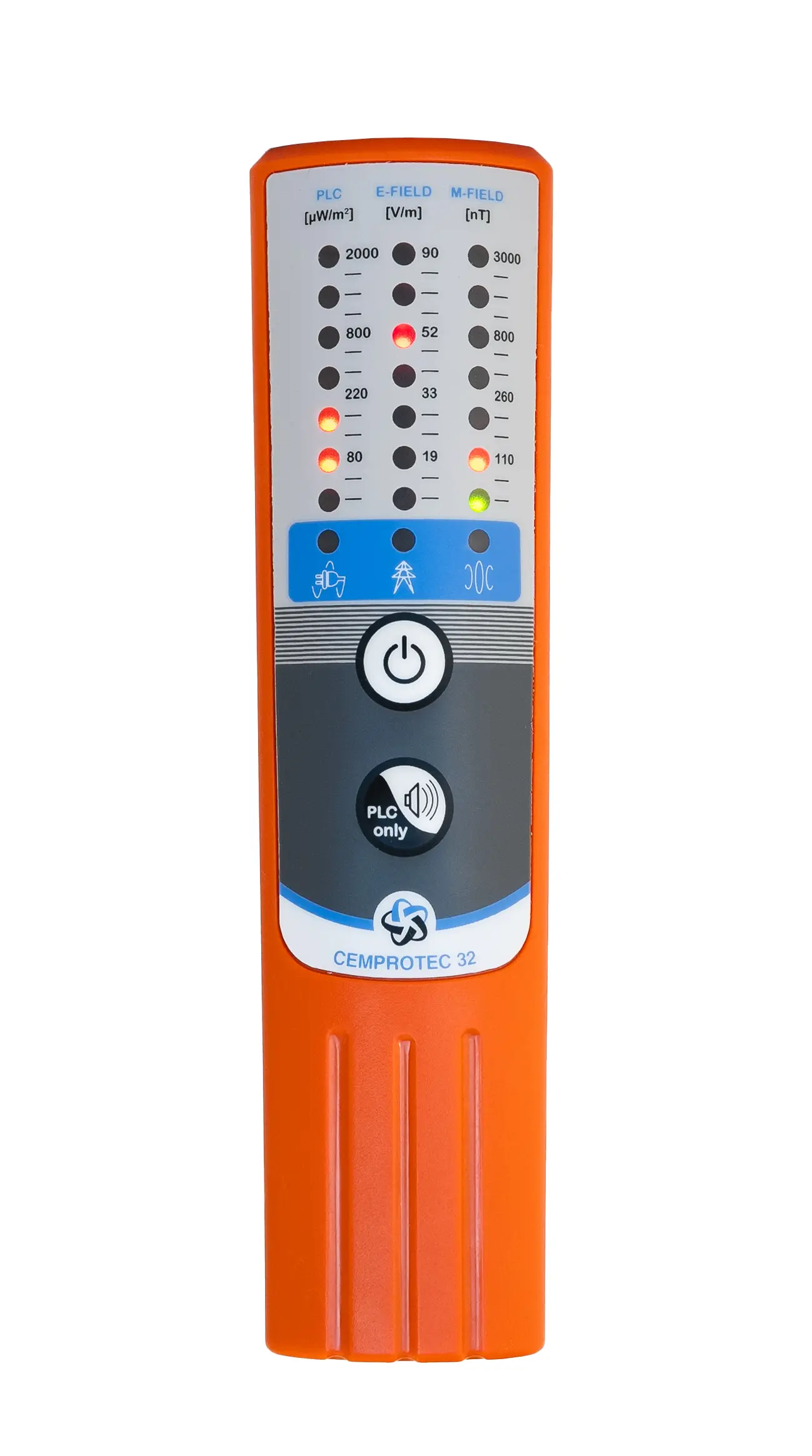
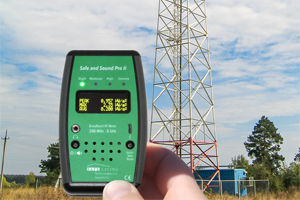
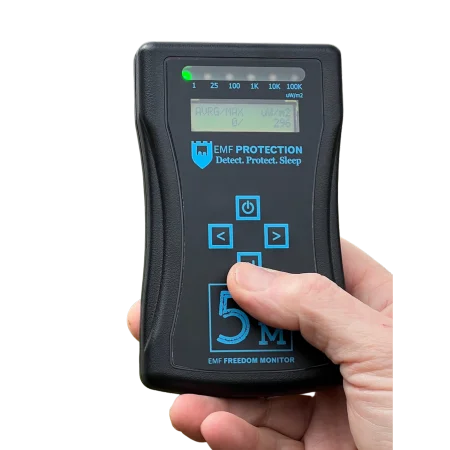
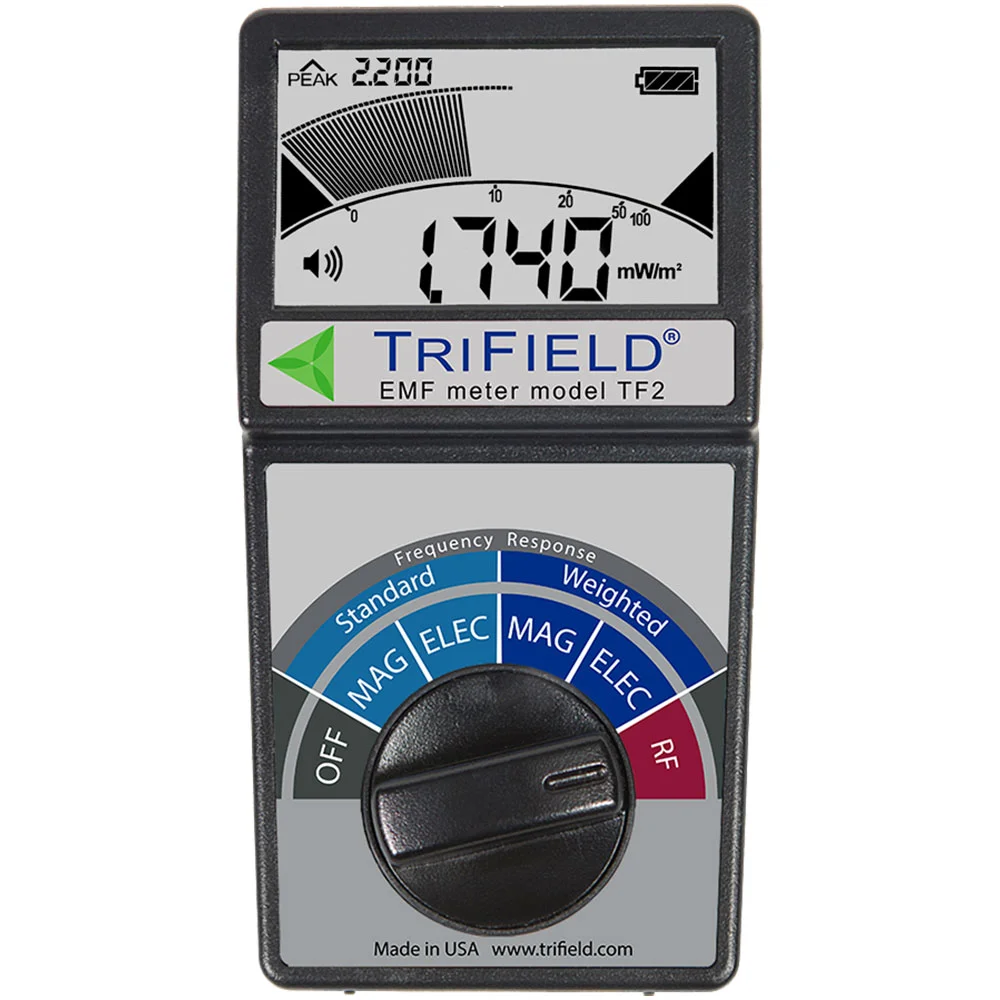
You cannot manage what you cannot measure. Because ordinary RF meters miss dirty electricity entirely, you need a meter designed for high-frequency transients on the mains. There are two main options:
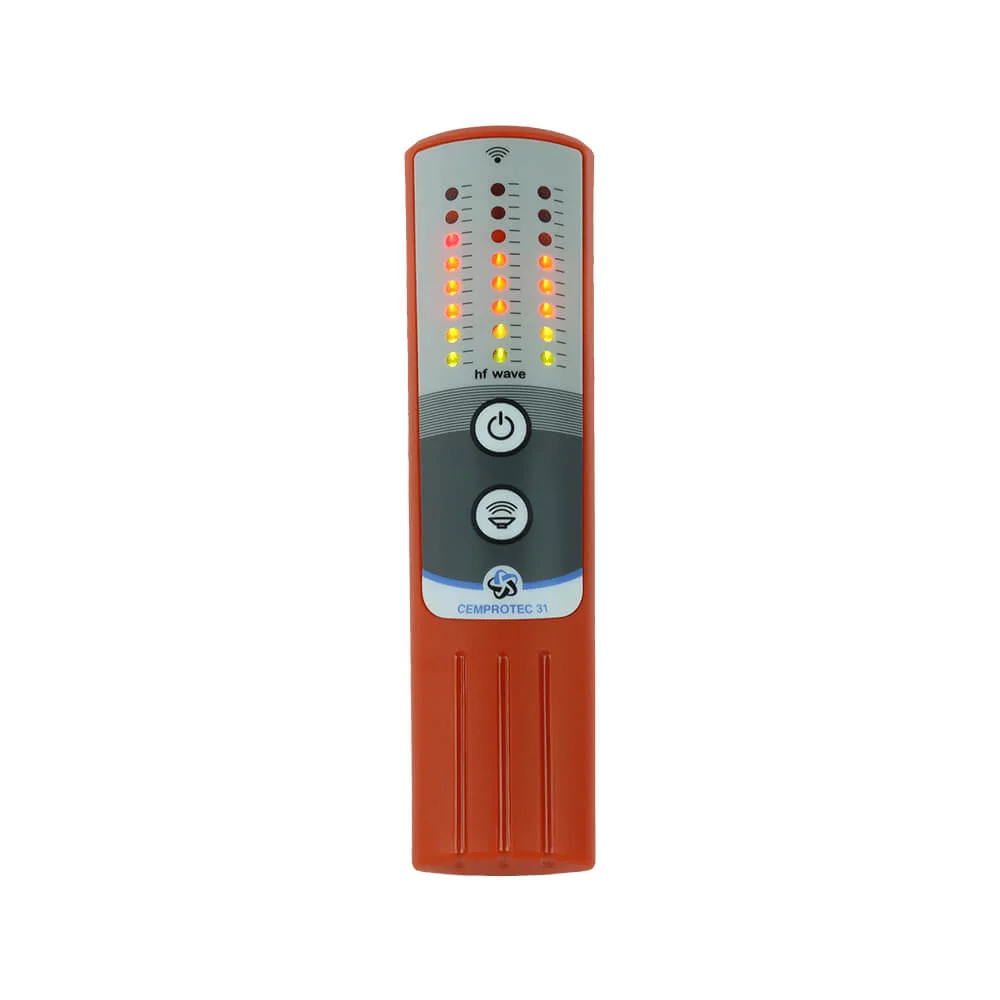
- A plug-in dirty electricity meter (such as a Stetzer microsurge meter) that reads directly in GS units (Graham-Stetzer units). This is the simplest choice — plug it into an outlet and read the number.
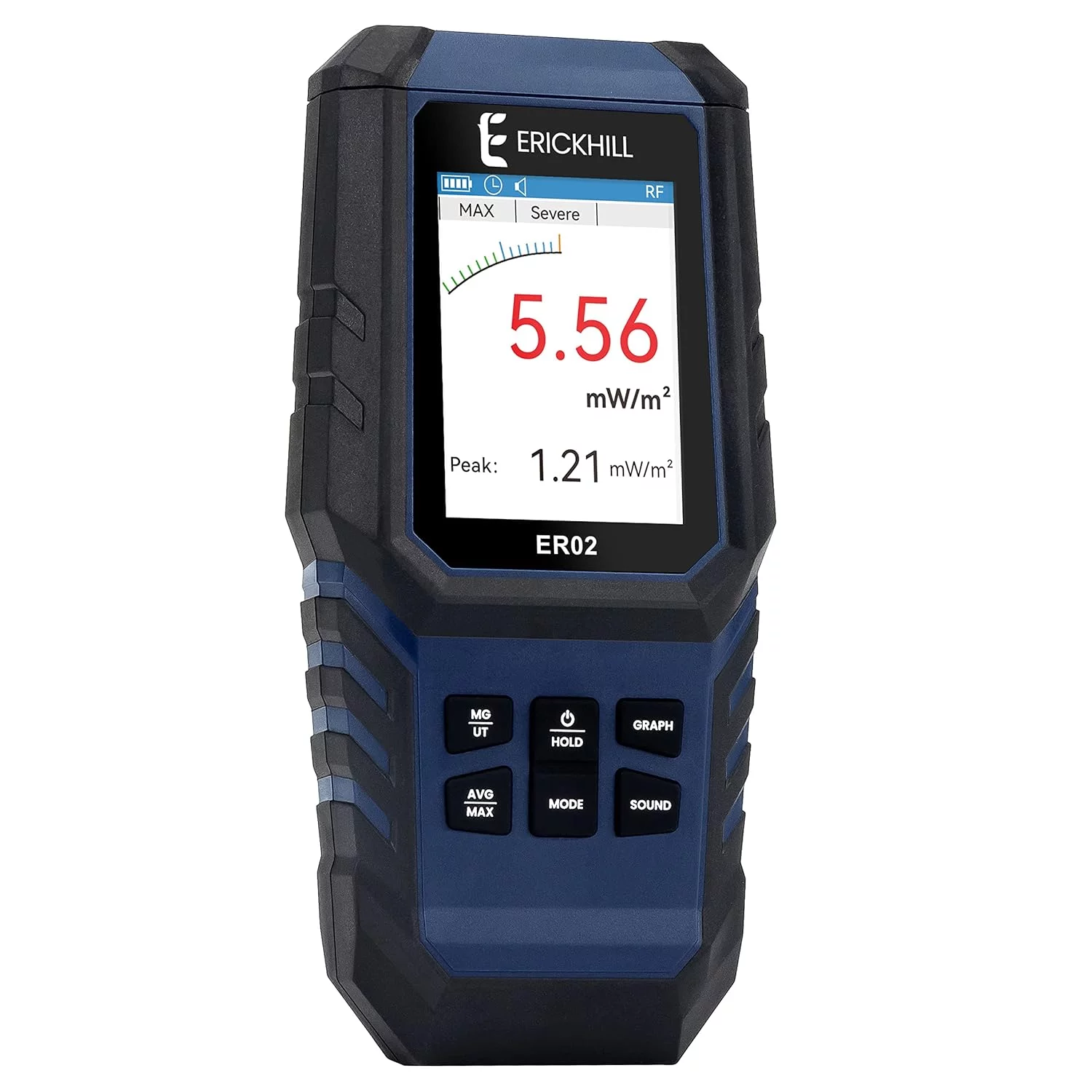
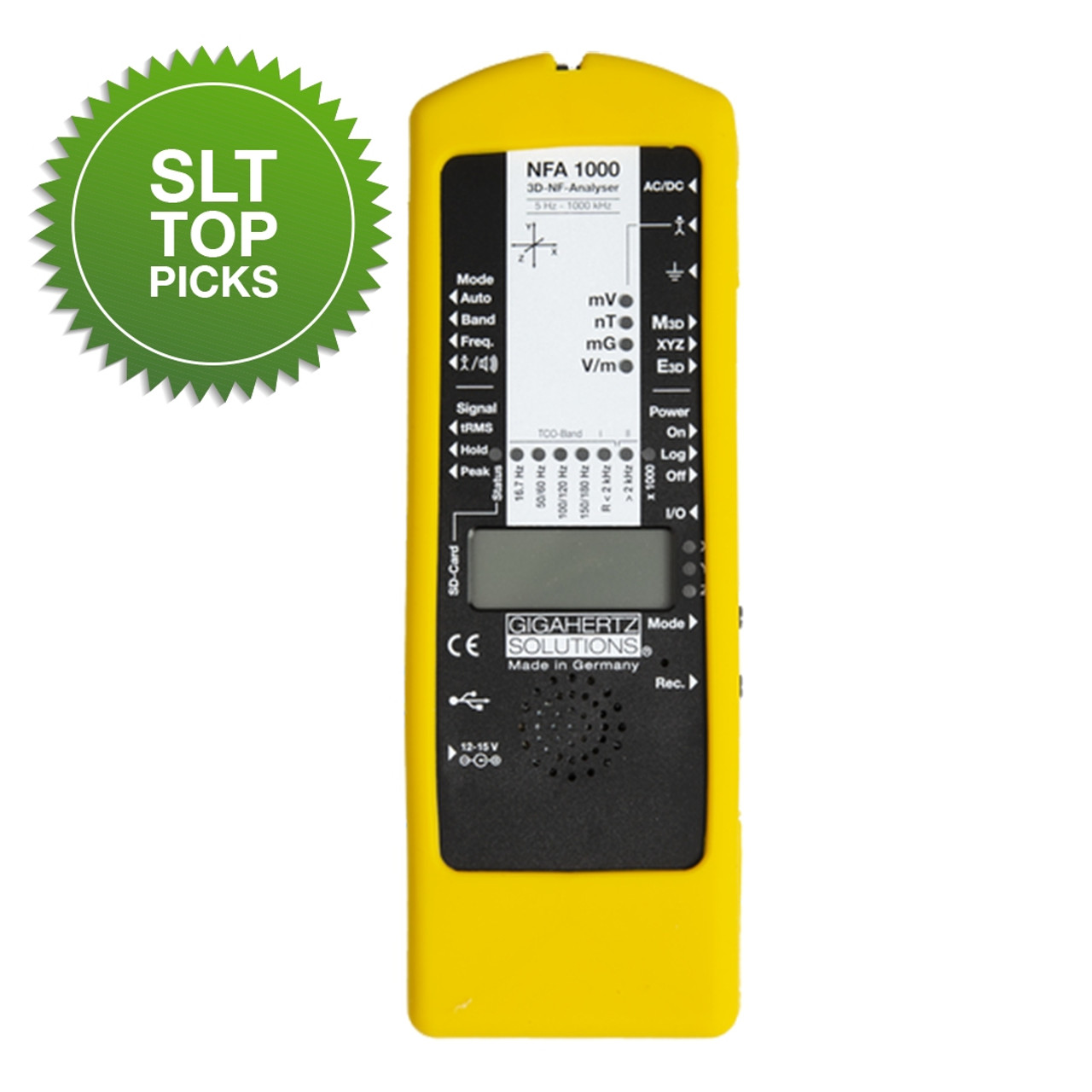
- A broadband EMI meter that covers roughly 5 kHz to 1 MHz and reads in millivolts. These give more detail across frequencies but cost more.
Walk your home and take a reading at every outlet, noting the highest ones. As a rough guide, readings under around 50 GS units are considered good, while modern homes frequently read many hundreds — sometimes into the thousands — near problem circuits. Crucially, measure before and after any changes so you can prove the filtering worked. If you are choosing a meter, our 2025 EMF meter guide compares the leading models.
How to Reduce Dirty Electricity — Step by Step
The most effective approach combines two strategies: reduce it at the source (remove or replace the devices creating it) and filter what remains. Work through these in order.
Swap Out the Worst Bulbs
Replace cheap LED and CFL bulbs — especially in rooms where you spend a lot of time — with high-quality LEDs designed for low electrical noise, or with old-style incandescent/halogen bulbs where still available. Bulbs vary enormously, so re-measure after changing them.
💰 Low costRemove Dimmer Switches
Standard dimmer switches are one of the single biggest generators of dirty electricity. Replace them with ordinary on/off switches, and you will often see a dramatic drop in readings on that circuit.
💰 Low costUnplug Idle Electronics
Chargers and adapters left plugged in continue to generate noise. Unplug them when not in use, or put groups of devices on a switched power strip you can turn off at night.
💰 FreeInstall Plug-In Dirty Electricity Filters
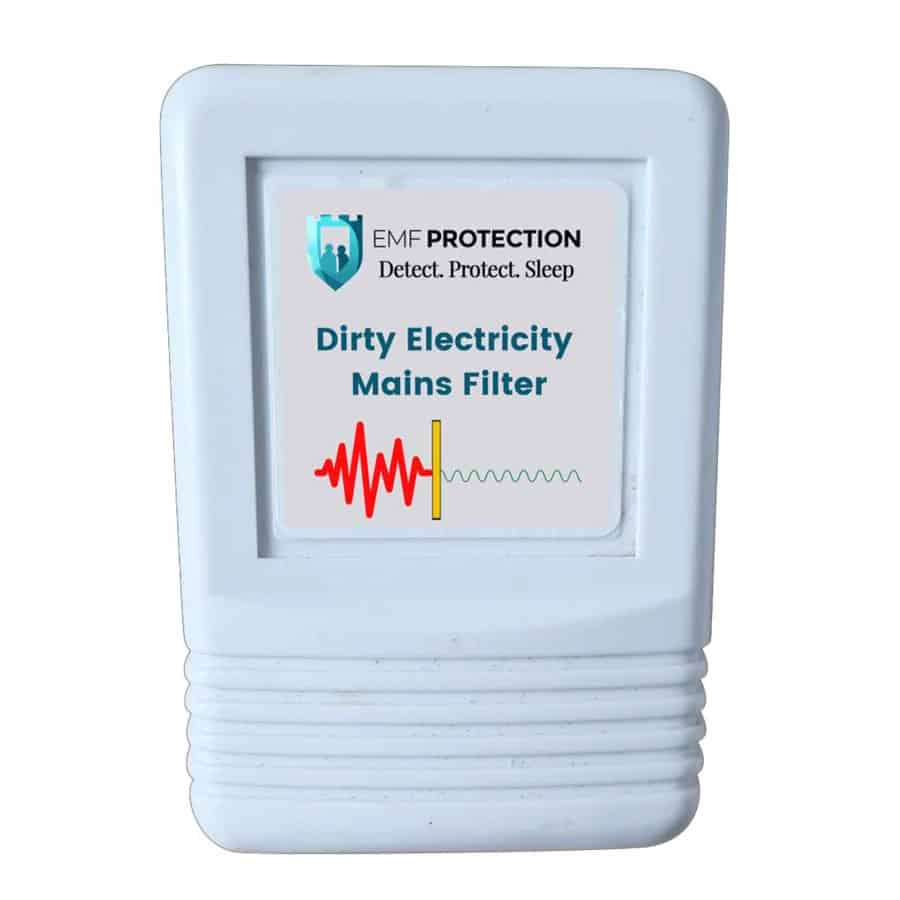
Filters plug into outlets and shunt high-frequency noise back to ground. Concentrate them where readings are highest and where you spend the most time — start with the bedroom and living room, then work outward, re-measuring as you go.
💰 ModerateAddress the Big Sources
If you have solar, a variable-speed heat pump, or a smart meter, these can dominate your readings. Solar inverters in particular may need dedicated filtering. A professional EMF assessment can pinpoint these — see our EMF consultancy service.
💰 VariesConsider a Whole-House Filter
For homes with high readings across many circuits, a whole-house filter installed at the electrical panel (by a qualified electrician) tackles the problem at its source, complementing the plug-in units in your key rooms.
💰 Higher — pro installDirty Electricity Filters Explained
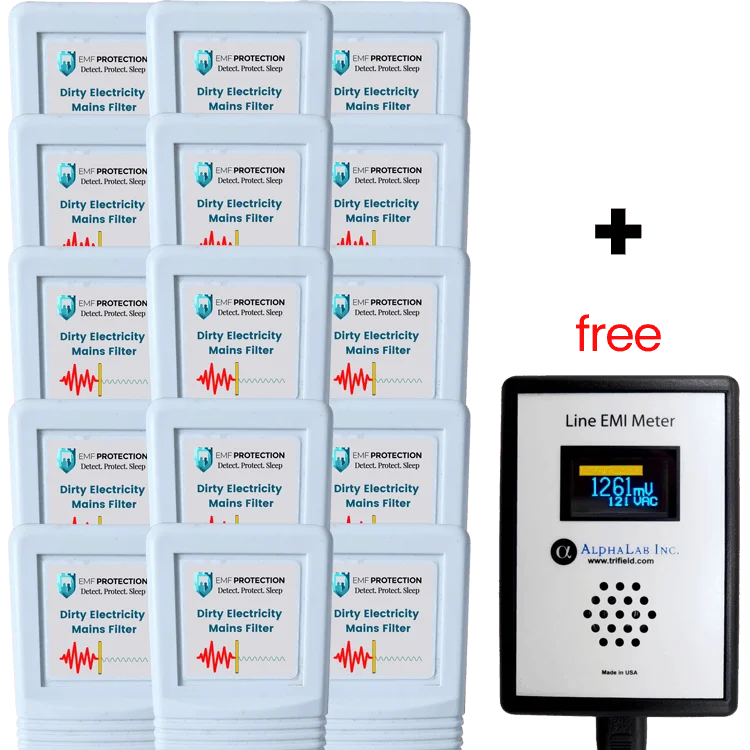
Plug-in dirty electricity filters are essentially specialised capacitors housed in a plug. When inserted into an outlet, they provide a low-impedance path that diverts high-frequency noise, smoothing the waveform on that section of wiring. The best-known brands include Stetzerizer, Greenwave and Satic, and quality whole-house units are also available.
A few practical pointers:
- Filters work locally. One filter improves the nearby outlets on that circuit — it does not fix the whole house on its own. Plan on several, guided by your meter.
- More is not always better. Beyond a certain point, extra filters give diminishing returns and can even shift where noise concentrates. Let your GS readings guide the number.
- Always verify. Measure each room before and after. A good result is a clear, repeatable drop in GS units at the outlets where you spend time.
🛡️ Clean Up Your Home's Wiring
Shop Dirty Electricity Filters & Meters
Everything you need to measure and filter dirty electricity — plug-in filters, whole-house units and the meters to prove they work.
Shop at emf-protection.co.uk →Affiliate disclosure: We earn a small commission on purchases via this link — at no extra cost to you.
Frequently Asked Questions
What is dirty electricity in simple terms?
It is high-frequency electrical noise (roughly 2–150 kHz) riding on top of the normal 50/60 Hz current in your wiring, created by modern electronics such as LED bulbs, dimmers, chargers and solar inverters.
Is dirty electricity harmful?
Research led by Dr Magda Havas and others links elevated dirty electricity to headaches, fatigue, poor sleep and worsened blood-sugar control in sensitive people. The science is still developing, but filtering it is inexpensive and low-risk, so many treat it as a sensible precaution.
How do I measure dirty electricity?
Use a plug-in dirty electricity meter that reads in GS units, or a broadband EMI meter covering ~5 kHz–1 MHz. Take readings at outlets around the home, before and after any changes.
Do dirty electricity filters actually work?
Yes — they shunt high-frequency noise back to ground and typically lower GS readings at nearby outlets. Whole-house filters address the problem at the panel. Always re-measure to confirm the improvement.
Will turning off my Wi-Fi fix dirty electricity?
No. Wi-Fi is radiofrequency radiation, which is a different problem. Dirty electricity comes from devices connected to your wiring, so it persists even with Wi-Fi off. Both are worth addressing, but they need different solutions.