Hotel & Airbnb EMF: How to Protect Yourself When Traveling
You've spent months turning your home into a low-EMF haven — and then you travel, and spend a week sleeping in a room you know nothing about. Hotels and Airbnbs can be surprising EMF hotspots: Wi-Fi access points in the corridor and every room, a smart TV humming beside the bed, a smart meter on the other side of the wall, and dozens of other guests' routers and phones all around you. The good news is that a couple of small habits and one pocket-sized gadget let you check any room and protect the thing that matters most on a trip — your sleep. Here's how.
📋 In This Guide
Why Hotels & Airbnbs Can Be Hotspots
You're not just dealing with your own room. In a hotel you're surrounded on all sides — including above and below — by other rooms full of routers, phones and devices, plus the building's own dense Wi-Fi coverage designed to reach every corner. In an Airbnb, the main router is often in the living space or bedroom, and you may find smart-home gadgets, a cordless phone base or a smart meter close to where you sleep. The exposure varies enormously from room to room, which is exactly why a quick check pays off.
🧳 Travel Kit
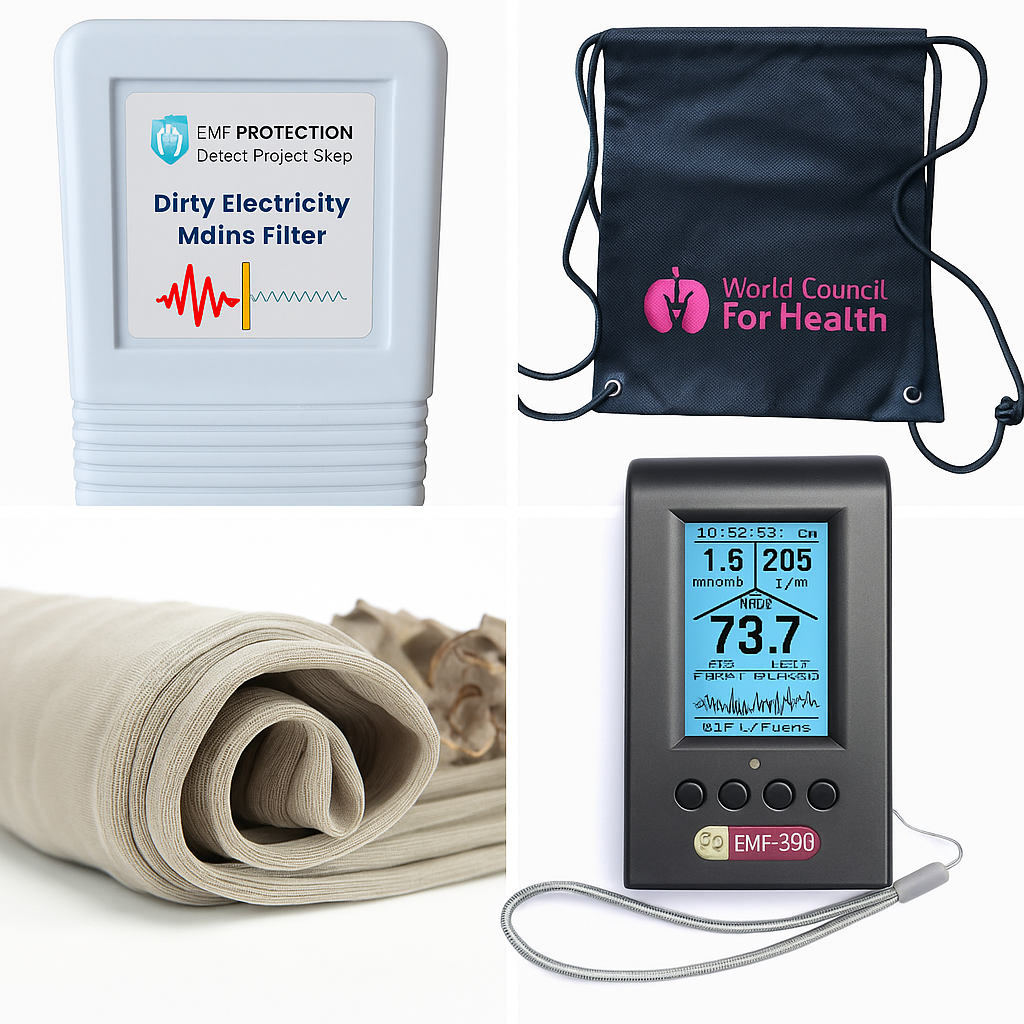
Travel Meters, Canopies & Faraday Sleeves
Compact protection that fits in a carry-on for low-EMF sleep anywhere.
How to Check a Room on Arrival
Sweep With a Travel RF Meter
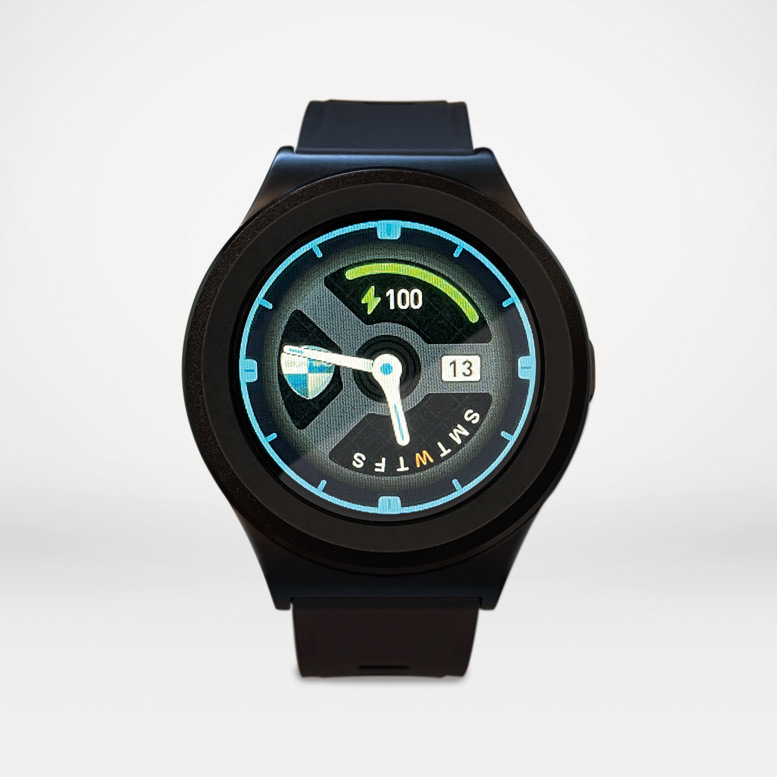
On arrival, spend two minutes sweeping the room — especially the bed, the headboard wall, and window side. A compact meter reveals routers, corridor access points or a smart meter next door. See our meter guide.
Find the In-Room Router & Smart TV
Locate the Wi-Fi router/access point and the TV — often the strongest sources in the room, and often right by the bed.
Check the Headboard Wall
If the reading is high at the pillow, something may be on the other side of that wall (a corridor AP or neighbour's router). That's your cue to reposition or switch rooms.
Quick Fixes in Any Room
- Unplug or switch off the in-room router and smart TV at night where the hotel allows — you rarely need Wi-Fi while asleep.
- Move the bed away from a hot wall if the room allows, even by a metre.
- Phone in airplane mode, charging across the room — the same rule as home.
- Ask to change rooms if a room reads very high — most hotels will oblige.
The One Habit That Matters Most
If you do nothing else, get your phone off the bedside table and into airplane mode across the room, and switch off the in-room Wi-Fi router overnight. Those two free steps handle the sources closest to your head — the same principle as our bedroom EMF guide, applied on the road.
What to Pack for Low-EMF Travel
- A compact RF meter — the single most useful item; check any room in minutes.
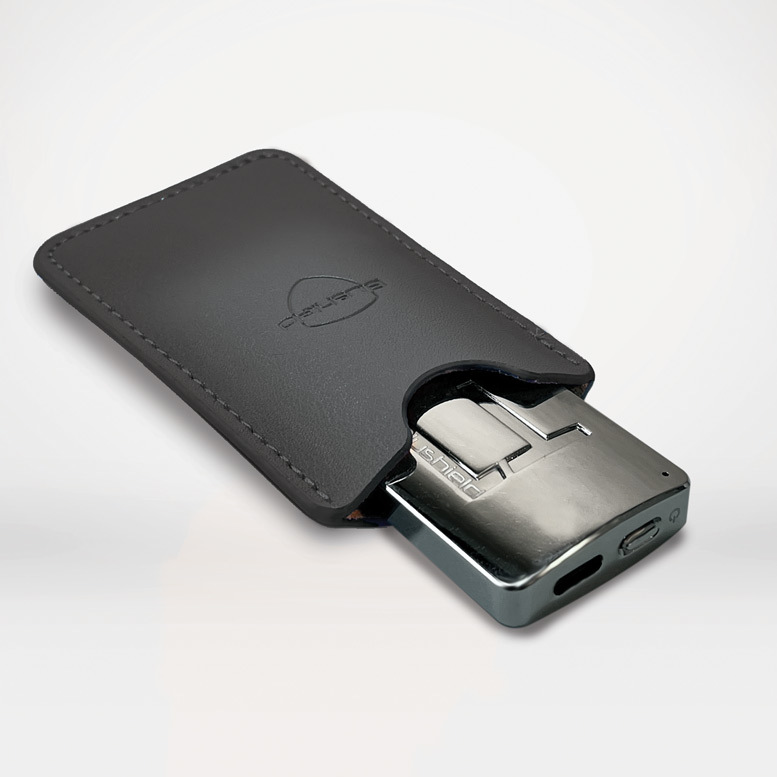
- A Faraday phone sleeve — for the phone in transit and by the bed.
- An extension lead — so you can charge devices well away from the bed.
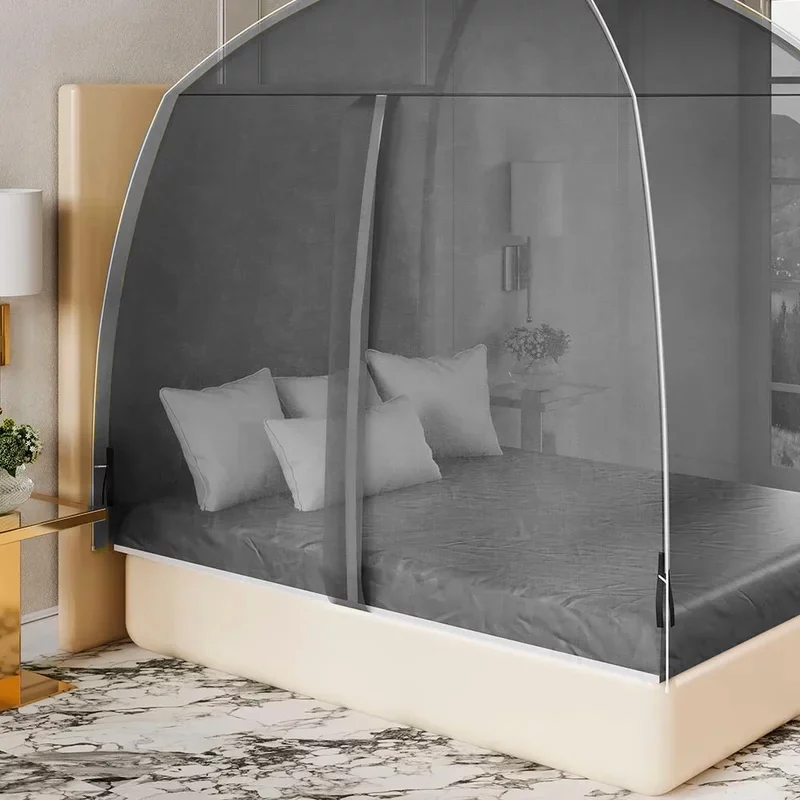
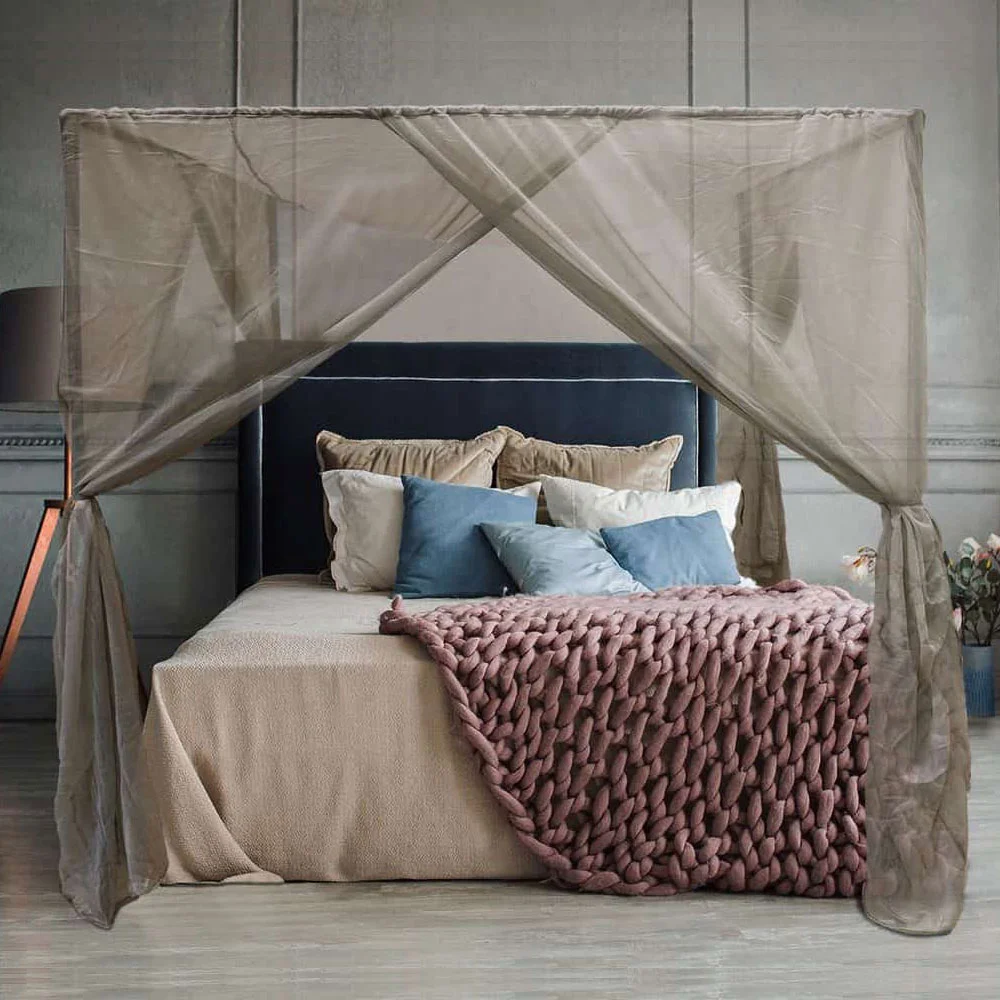
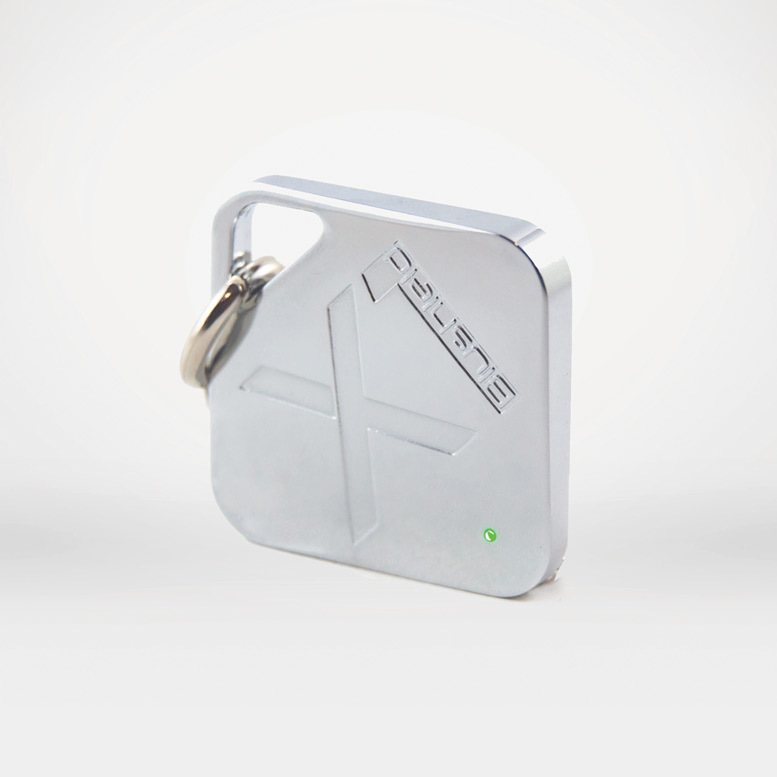
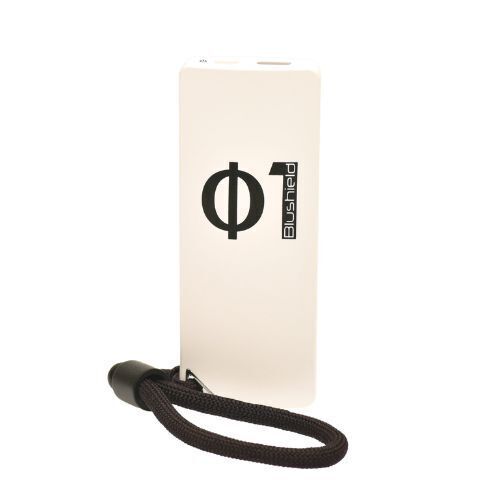
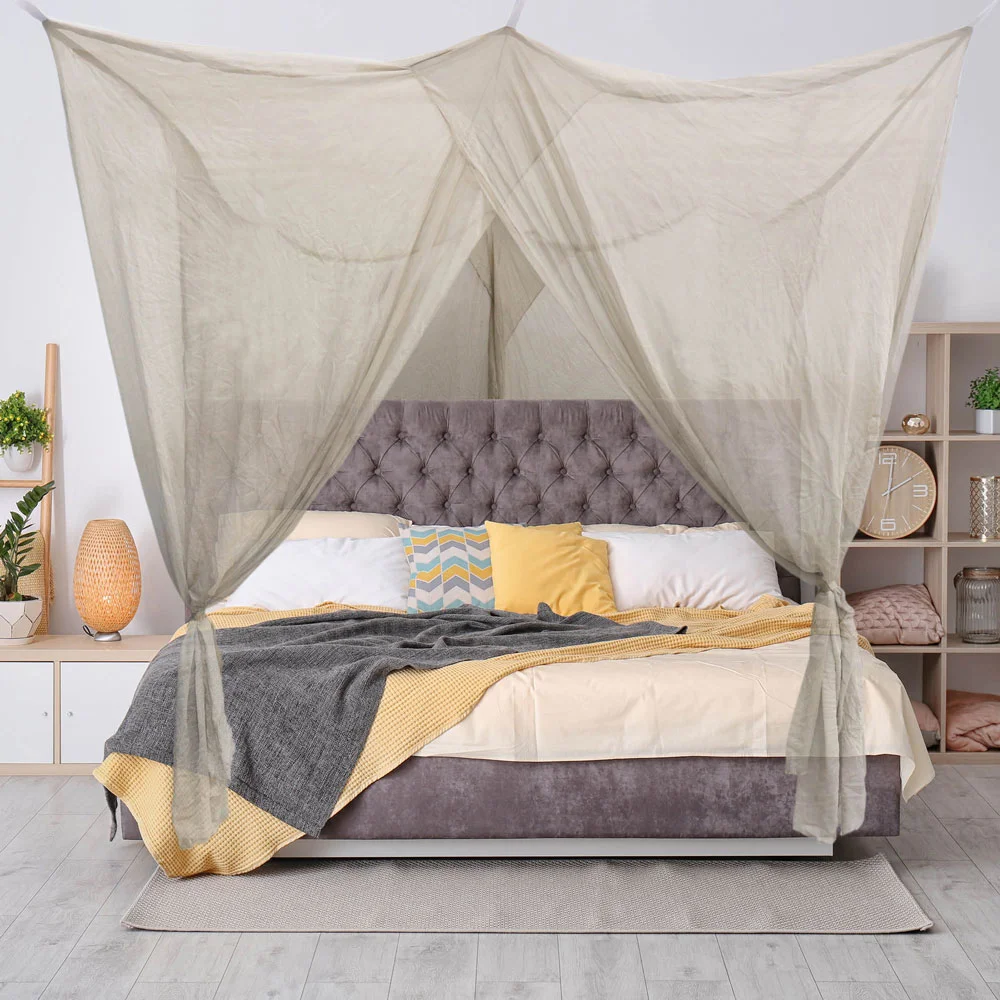
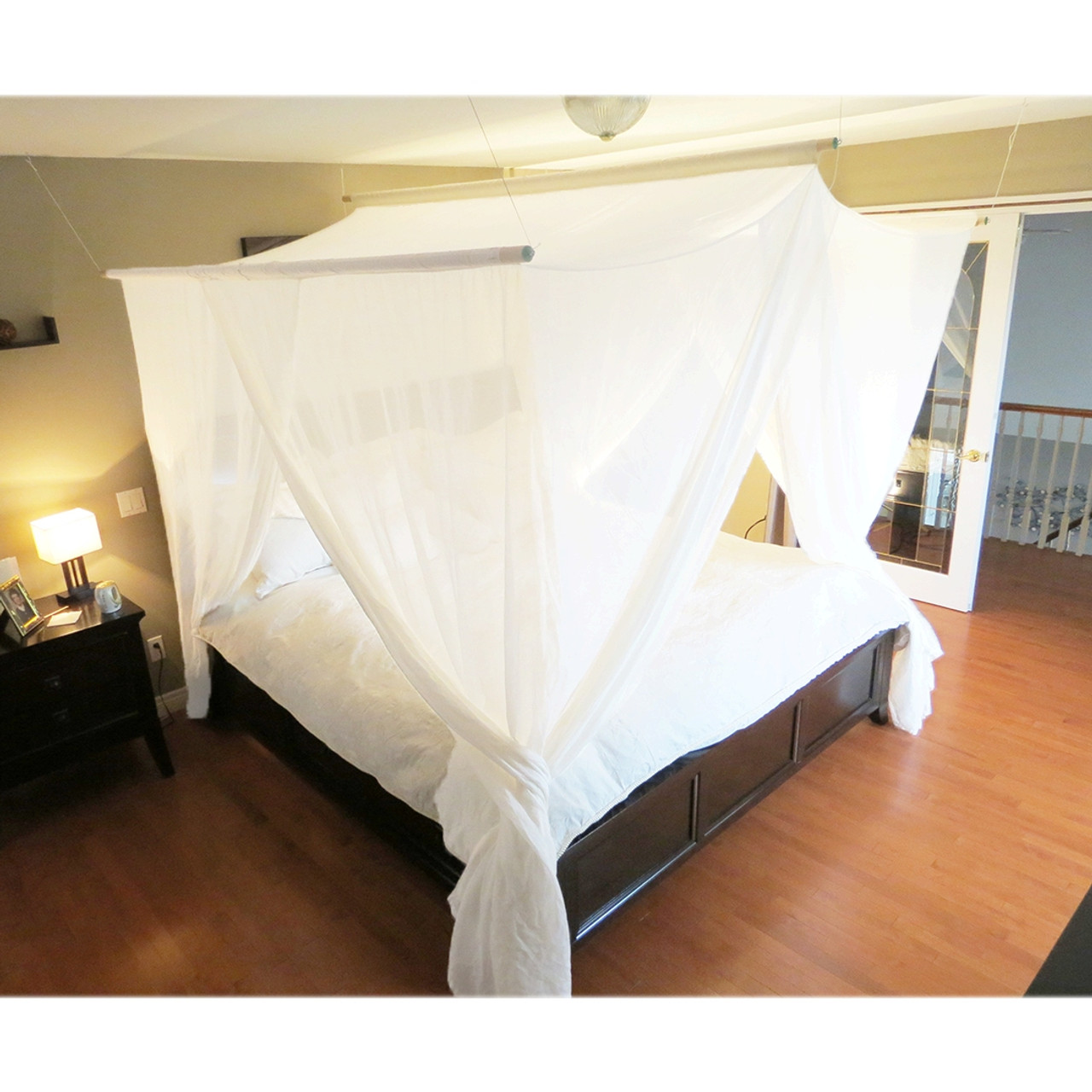
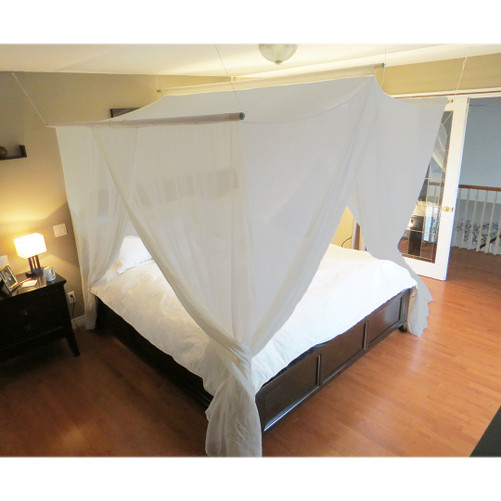
- A travel shielding canopy or portable field device — for sensitive travellers or high-exposure rooms.
Airbnb-Specific Tips
In a whole-home rental you usually have more control: you can often turn the main router off at night (note the settings so you can restore them), unplug smart-home devices in the bedroom, and choose the lowest-EMF room to sleep in. Just leave everything as you found it. A quick meter sweep on arrival tells you where the sources are.
🧳 Sleep Well, Wherever You Are
Shop Travel EMF Protection
Compact meters, Faraday sleeves and travel canopies for the road.
Shop at emf-protection.co.uk →Affiliate disclosure: We earn a small commission on purchases via this link — at no extra cost to you.
Frequently Asked Questions
Are hotels and Airbnbs high in EMF?
They can be — corridor and in-room Wi-Fi, smart TVs, neighbouring rooms on all sides, and sometimes a router or smart meter by the bed. Levels vary, so it's worth checking.
How do I check a hotel room?
Sweep with a compact travel RF meter on arrival, especially around the bed and headboard wall, to find routers, access points or a smart meter next door.
How can I protect my sleep?
Switch off the in-room router and smart TV, phone in airplane mode across the room, move the bed off a hot wall, and use travel shielding for high-exposure rooms.
What should I pack?
A compact RF meter, a Faraday phone sleeve, an extension lead, and for sensitive travellers a travel canopy or portable field device.