Baby Monitor EMF: Are Wireless Monitors Safe for Your Nursery?

A baby monitor is meant to keep your child safe — so it comes as a surprise to many parents that the monitor itself is one of the most constant EMF sources in the nursery. Placed by the cot and transmitting all night, a wireless monitor sits centimetres from a sleeping baby whose developing body is more vulnerable to radiofrequency radiation than an adult's. This guide explains how much EMF baby monitors really emit, why proximity is the crucial factor, what the research says, and the simple changes — including low-EMF alternatives — that let you keep the reassurance of a monitor while dramatically cutting your baby's exposure.
📋 In This Guide
How Much EMF Baby Monitors Emit
Modern baby monitors are wireless transmitters. Depending on type, they use DECT (digital cordless) frequencies, 2.4 GHz Wi-Fi, or app-based video over your home network. The important point is that most transmit continuously — not only when the baby cries — to maintain the audio or video link. Video and Wi-Fi monitors typically emit more than simple audio ones, because streaming video requires far more data.
👶 Protect the Nursery
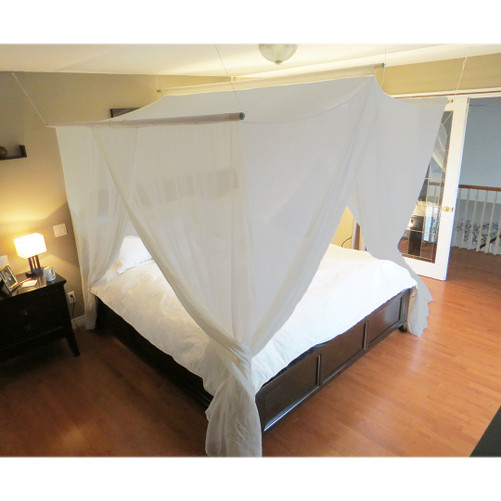
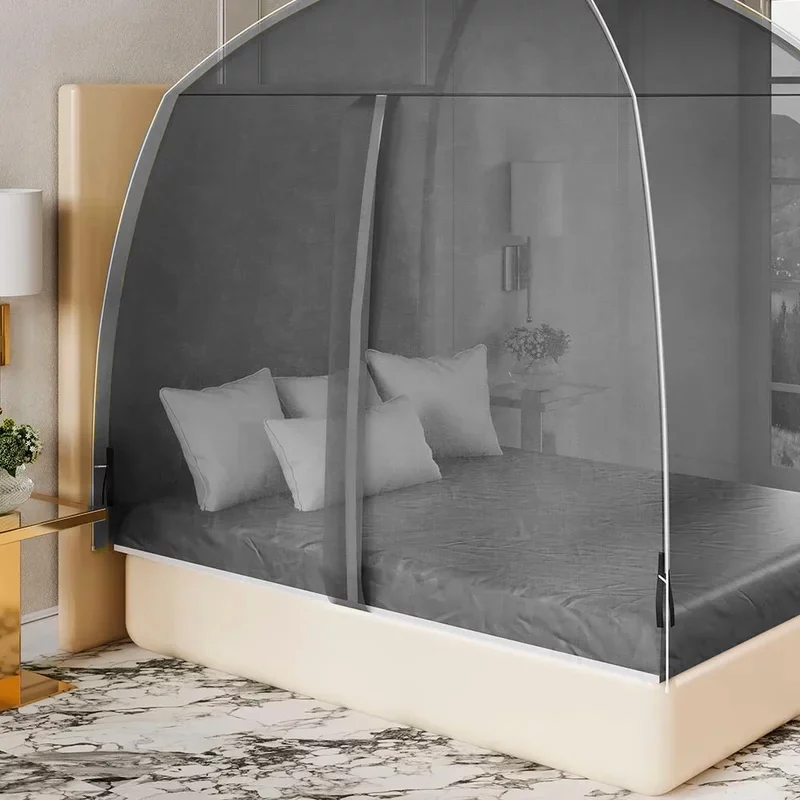
Nursery Shielding & RF Meters
Canopies, shielding fabric and meters to create a low-EMF sleep space for your baby.
Why Proximity Is Everything
The single most important factor is not the monitor's power — it's how close it sits to your baby. Radiofrequency intensity follows an inverse-square relationship: double the distance and the exposure drops to roughly a quarter. A monitor clipped to the cot rail exposes your baby to far more than the identical monitor placed across the room. This is good news, because it means the most effective fix costs nothing.
The Most Common Mistake
Attaching the camera or audio unit directly to the cot, or standing it on a shelf right beside the baby's head, maximises exposure exactly where you least want it. Moving that same unit two to three metres away keeps it fully functional while cutting the RF at the baby dramatically.
Why Babies Are More Vulnerable
Children are not simply small adults when it comes to EMF. A baby's skull is thinner, their tissues contain more water and absorb radiofrequency energy more readily, and their brain and nervous system are still developing. Their cells divide rapidly, and they will accumulate a lifetime of exposure starting from a far younger age than any previous generation. For these reasons, EMF-aware practitioners consistently recommend extra caution for infants. Our guides on EMF protection for kids and protection during pregnancy explore this further.
Which Type of Monitor Is Safest
- Wired / analogue audio monitors — the lowest EMF option; a wired intercom emits essentially no RF.
- Low-EMF / voice-activated (VOX) monitors — only transmit when they detect sound, so they're silent most of the night.
- DECT audio monitors — moderate; better than video if placed at distance, but many transmit continuously.
- Wi-Fi / video / app monitors — the highest emitters, streaming constantly over your network. Convenient, but the least low-EMF choice.
How to Reduce Exposure — Step by Step
Move the Monitor Across the Room
Place the transmitter at least 2–3 metres from the cot. This one change is the highest-impact, zero-cost step you can take.
💰 FreeChoose a Voice-Activated or Low-EMF Model
A VOX/eco mode transmits only when your baby makes a sound, cutting emissions to near zero for most of the night. A wired analogue monitor is lower still.
🔇 Big reductionSkip the Wi-Fi Video Monitor if You Can
If low EMF is your priority, an audio monitor at distance beats a constantly-streaming Wi-Fi camera. If you keep video, still move it well away from the cot.
📵 Prefer audioMeasure the Nursery
An RF meter shows you the real exposure at the cot and confirms the effect of moving the monitor. See our meter guide.
📏 VerifyAddress the Wider Nursery
Turn off nursery Wi-Fi at night, keep it free of tablets and smart devices, and consider a shielding canopy over the cot if you live near a mast or share walls in a flat. See our bedroom shielding guide.
🛡️ Whole room👶 A Calmer, Lower-EMF Nursery
Shop Nursery Shielding & Meters
Cot canopies, shielding fabric and RF meters to protect your baby's sleep space.
Shop at emf-protection.co.uk →Affiliate disclosure: We earn a small commission on purchases via this link — at no extra cost to you.
Frequently Asked Questions
Do baby monitors emit EMF radiation?
Yes — wireless and Wi-Fi monitors emit RF continuously to send audio/video, often from close to the cot during many hours of sleep.
Are baby monitors safe for babies?
Emissions are within official limits, but babies are more vulnerable and the monitor sits close for long periods, so many parents reduce exposure via distance and low-EMF models.
What is the safest type of baby monitor?
A wired/analogue or low-EMF voice-activated monitor. If using wireless, pick a VOX/eco mode and place it 2–3 metres from the cot.
How far should a baby monitor be from the crib?
At least 2–3 metres (6–10 feet). RF falls off sharply with distance, so moving it across the room greatly lowers exposure while working perfectly.








.webp)