EMF Blocking Paint: Does It Work & How to Apply It Correctly
EMF shielding paint is one of the most effective tools available for blocking external RF radiation — but it's also one of the most misunderstood. Applied correctly on the right walls with proper grounding, quality shielding paint can reduce RF exposure through that surface by 99.99%. Applied incorrectly — without grounding, to internal sources, or on windows — it can actually make things worse by trapping and reflecting radiation back into your room. This guide covers everything you need to know: how it works, which products are worth buying, the exact application process, and the critical mistakes that make it fail.
📋 What This Guide Covers
🎨 Shop EMF Shielding Paint
YShield & Premium Shielding Paints In Stock
Full range of professional EMF shielding paints, grounding kits and accessories — with technical advice from specialists at emf-protection.co.uk.
How EMF Shielding Paint Works
EMF shielding paint contains conductive particles — usually carbon (graphite), nickel, or a combination — suspended in a standard water-based paint binder. When applied to a wall or ceiling, these particles form a continuous conductive layer across the entire surface. This conductive layer behaves like a Faraday shield: it absorbs and reflects incoming RF electromagnetic waves, preventing them from passing through to the interior of the room.
The effectiveness is measured in decibels (dB) of attenuation — the higher the number, the greater the shielding. A single coat of quality shielding paint typically achieves 36–40dB at 1GHz, which corresponds to 99.99% of RF energy being blocked. A second coat increases this to 45–51dB (99.999%). For context, 20dB means 99% blocked; 30dB means 99.9%; 40dB means 99.99%.
When You Should (and Shouldn't) Use It
✅ Shielding Paint Is the Right Solution When:
Your EMF meter shows elevated RF levels at the wall or window facing an external source such as a cell tower, smart meter, or strong WiFi signal from a neighbouring property — and the levels remain high even when all your own devices are switched off. The paint blocks the external source from penetrating the wall.
⚠️ Shielding Paint Will Not Help (and Can Harm) When:
Your source is internal: If you paint your walls and then continue using WiFi, mobile phones, and smart devices inside the painted room, those devices' signals bounce off the conductive walls and increase exposure inside the space. Shielding paint is for blocking external sources — it cannot and should not be used as a substitute for reducing internal device use.
You don't ground it: Ungrounded shielding paint reflects signals in all directions including back into the room. Grounding is not optional — it is essential to make the paint work correctly.
Best EMF Paint Brands Compared
| Brand | Material | 1-Coat dB | Coverage/Litre | 5G Coverage | Best For |
|---|---|---|---|---|---|
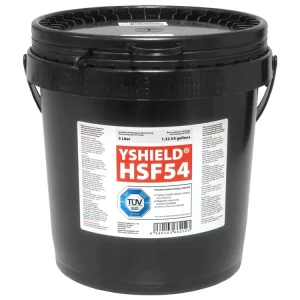
| YShield HSF54 | Carbon/graphite | 36dB | ~10 m² | Up to 18GHz | Best all-rounder, most widely used |
| YShield HSF64 | Carbon/graphite | 40dB | ~10 m² | Up to 18GHz | Higher shielding requirement |
| WOREMOR RF-IE50 | Carbon/graphite | 39dB | ~16 m² | Up to 40GHz | mmWave 5G coverage, better coverage |
| ECOS Shielding Paint | Nickel flake | 30dB | ~50 m² | Up to 10GHz | Large areas, budget-friendly per m² |
YShield is the most widely used and tested brand among Building Biology consultants. WOREMOR offers slightly better coverage per litre and includes mmWave 5G frequencies. Both are available from emf-protection.co.uk with full technical documentation.
Step-by-Step Application Guide
Measure First — Identify the Source Wall
Use an RF meter to identify which wall(s) are letting in the most radiation. Only paint the walls facing the external source — painting all walls creates a shielded box which amplifies internal sources. Identify exactly which surface(s) need treatment before buying paint.
Prepare the Surface
Clean the wall surface and remove loose material. Apply a standard primer if working on bare plaster or new drywall. The shielding paint can be applied over existing emulsion — no need to strip the room. Fill any cracks or holes since gaps in the conductive layer create weaknesses in shielding.
Apply the Shielding Paint
Use a short-pile foam roller for the most even application. Apply the first coat in one direction, allow to dry fully (typically 2–4 hours), then apply the second coat in the perpendicular direction. This cross-hatching ensures no gaps in the conductive layer. Always cover the entire surface including to the edges — any uncoated section creates a weak point.
Attach the Grounding Strip
Before the paint dries on the final coat, press a copper grounding strip (conductive tape) firmly into the wet paint along the base of the wall. This creates an electrical connection between the paint layer and your earth wire. Connect the grounding cable to the earth pin of a nearby mains socket — never to the live or neutral. This is best done by or verified by a qualified electrician.
Apply Decorative Topcoat
Once the shielding paint is fully dry and grounded, apply your choice of standard water-based emulsion over the top. The shielding paint is dark grey or black — it needs covering. Use water-based only — solvent-based topcoats can damage the conductive layer.
Measure After Application
Re-test the painted surface with your RF meter. You should see a dramatic reduction in readings on the interior side of the painted wall. If you see no reduction, check the grounding connection — an ungrounded or poorly connected paint layer is the most common cause of failure.
Grounding — The Critical Step Most People Miss
Why Grounding Is Non-Negotiable
An ungrounded conductive paint layer doesn't just fail to shield — it actively reflects RF radiation in random directions, potentially increasing exposure within the room. The conductive layer must be electrically connected to earth (ground) so that the induced charges can safely dissipate. Think of it like this: a Faraday cage works because charges flow around the outside to earth — if there's no path to earth, the cage becomes a reflector.
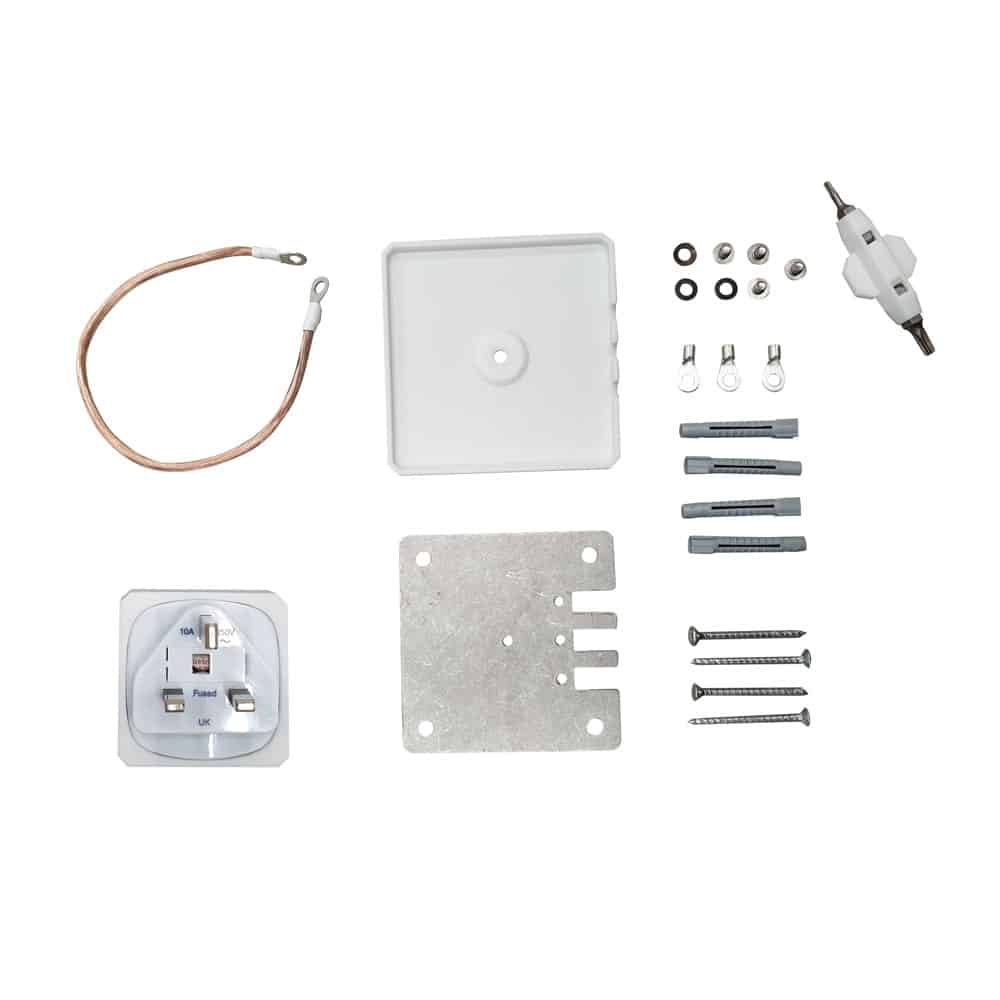
Always connect grounding strips to the mains earth pin (not live or neutral), verify the connection is secure, and have it checked by a qualified electrician if you are unsure. Grounding kits including conductive tape, test leads and connection hardware are available alongside the paint.
Common Mistakes That Kill Effectiveness
Avoid These Errors
- Not grounding the paint — the single biggest and most common error. Always ground.
- Painting all 4 walls when the source is external — creates a reflective box that increases internal exposure. Only paint the source-facing surfaces.
- Forgetting windows — glass is completely transparent to RF. If you paint the walls but not the windows, the windows become the primary entry point. Add shielding window film to complete the barrier.
- Applying over solvent-based primer — can prevent the conductive particles from forming a continuous network. Use water-based products throughout.
- Not extending to edges — gaps at skirting boards, ceiling joins, or around switch plates create holes in the shield. Paint to the very edge of every surface.
- Using it against internal sources — shielding paint cannot help you if the source is a router or phone inside the same room. Switch off internal sources; use paint only for external ones.
Cost and Coverage Guide
As a rough guide: a standard UK bedroom (4 walls, approximately 40m² total wall area) requires 4–5 litres of YShield paint at approximately £40–50/litre, plus a grounding kit (£20–30) and window film for each window. Budget approximately £250–350 for a full bedroom shielding project including materials. Professional installation adds labour costs but ensures correct grounding.
🎨 Ready to Shield Your Walls?
YShield Paint, Grounding Kits & Window Film
Everything you need for a complete wall-shielding project — with expert advice included.
🎨 Complete Your Bedroom Shield
Shop EMF Shielding Paint & Accessories
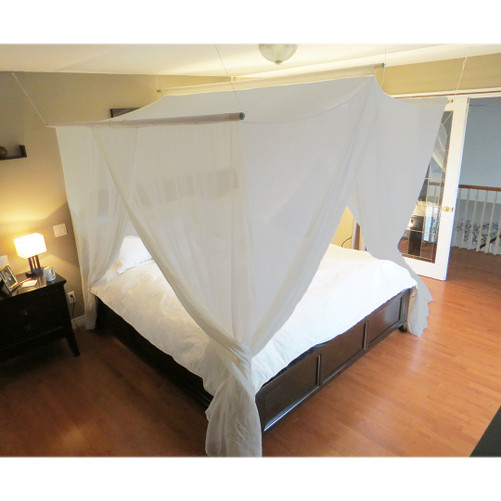
YShield, WOREMOR, grounding kits, window film and shielding fabric — everything for a complete EMF shielding project, with specialist advice from emf-protection.co.uk.
Browse at emf-protection.co.uk →Affiliate disclosure: We earn a small commission on purchases via this link — at no extra cost to you.