EMF and Headaches / Tinnitus: What the Research Says
Headaches and tinnitus — that persistent ringing, hissing or buzzing in the ears — are two of the most common symptoms reported by people who believe they are sensitive to electromagnetic fields. But is there a real connection, or is it coincidence? The honest answer is that the science is genuinely mixed, yet the pattern of reports is striking and consistent enough to take seriously. This article looks at what the research actually shows, the proposed biological mechanisms, how to tell whether EMF is a trigger for you, and the practical steps that bring many people relief.
Important: See a Doctor First
Headaches and tinnitus can have many medical causes, some of which need treatment. This article is educational and is not medical advice. Always have persistent or new symptoms assessed by a qualified healthcare professional before assuming EMF is the cause.
📋 In This Article
EMF and Headaches: The Evidence
Headache is the single most commonly reported symptom in surveys of people describing electromagnetic hypersensitivity (EHS). Controlled provocation studies — where people are exposed to real or sham EMF without knowing which — have produced mixed results, which sceptics cite as evidence against a link. However, those studies have real limitations: brief exposures, insensitive endpoints and highly variable individual responses. What is not in dispute is that large numbers of people consistently report head pain after prolonged phone calls, near strong Wi-Fi, or in specific high-EMF locations, and relief when they leave. Our guide to EMF sensitivity symptoms and relief covers the broader symptom picture.
🧭 Not Sure Where to Start?
Book a Personal EMF Consultation
Get tailored guidance on identifying and reducing the exposures that may be affecting you.
EMF and Tinnitus: The Evidence
Tinnitus is complex and usually multifactorial, but a subset of research has examined a radiofrequency link. Some studies of long-term mobile phone users have reported a higher likelihood of tinnitus, often on the side the phone is habitually held. The inner ear and auditory nerve sit directly in the path of the radiation from a phone held to the head, which makes a local effect biologically plausible. As with headaches, the evidence is not conclusive — but for people whose ringing worsens with phone use and eases with reduction, the pattern is meaningful.
Possible Mechanisms
Several non-thermal mechanisms proposed in the wider EMF literature could plausibly produce these symptoms:
- Voltage-gated calcium channel activation — a mechanism described by Professor Martin Pall in which EMF triggers calcium influx in nerve and brain cells, potentially driving pain and neurological symptoms. See the ion channel mechanism explained.
- Oxidative stress — increased reactive oxygen species affecting sensitive neural tissue. See EMF and oxidative stress.
- Blood-brain barrier and neural excitability effects reported in some experimental studies.
How to Tell If EMF Is Your Trigger
Keep a Symptom & Exposure Diary
For two weeks, log when symptoms occur alongside what you were doing — long calls, time near the router, specific rooms. Patterns often emerge quickly.
Run a Low-EMF Trial
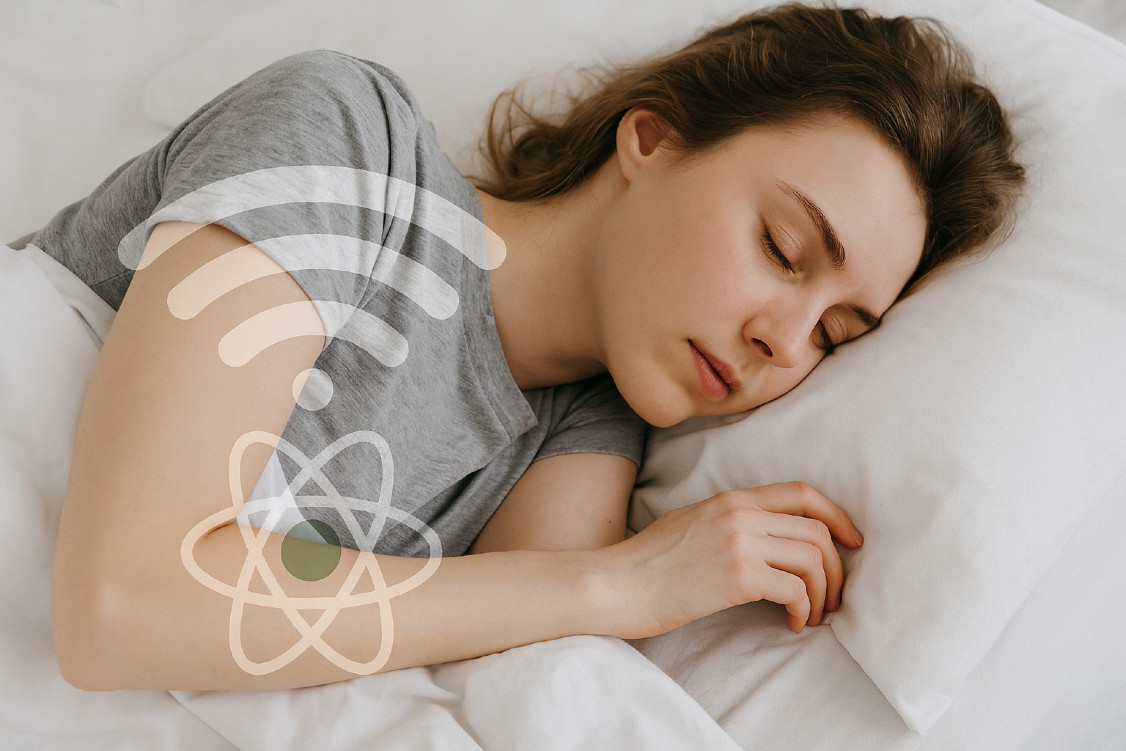
Create a screen-free, Wi-Fi-off bedroom and use your phone in airplane mode overnight for a week. Note any change in morning headaches or ringing.
Measure Your Environment
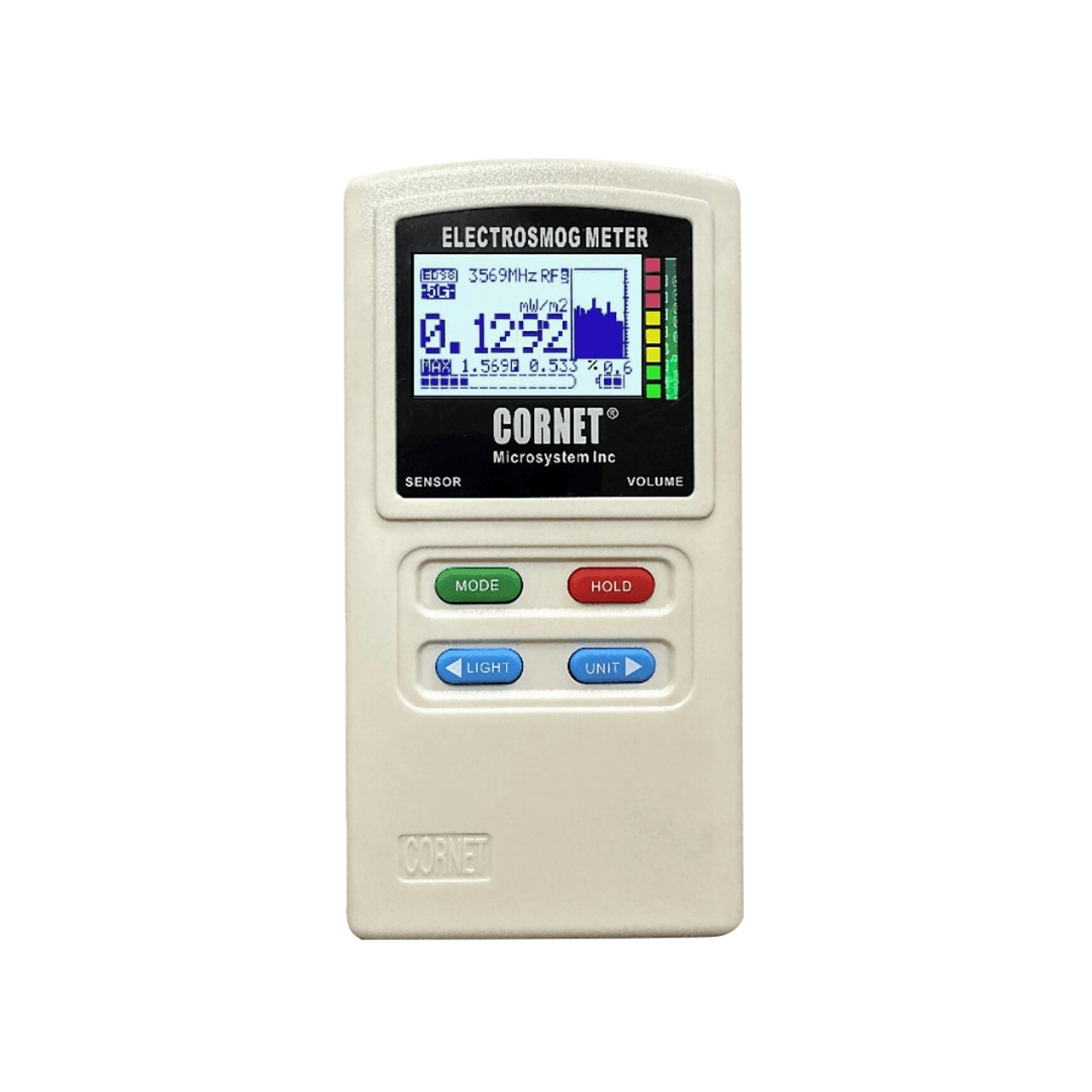
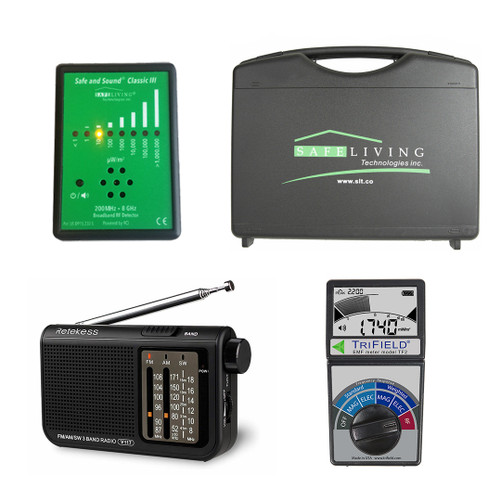
An RF meter reveals your real exposure and the biggest sources, so your trial targets the right things. See our meter guide.
Reintroduce and Observe
If symptoms eased, reintroduce exposure and see whether they return. A consistent on/off pattern is the strongest personal signal that EMF is involved.
Steps That Bring Relief
- Never hold the phone to your head — use speakerphone or air-tube (wired, hollow) earphones, which keep the transmitter away from your skull.
- Hardwire and switch Wi-Fi off at night — see our hardwiring guide.
- Add distance from routers, cordless phone bases and devices where you sit and sleep.
- Create a low-EMF sleep space so your nervous system recovers overnight — our bedroom guide shows how.
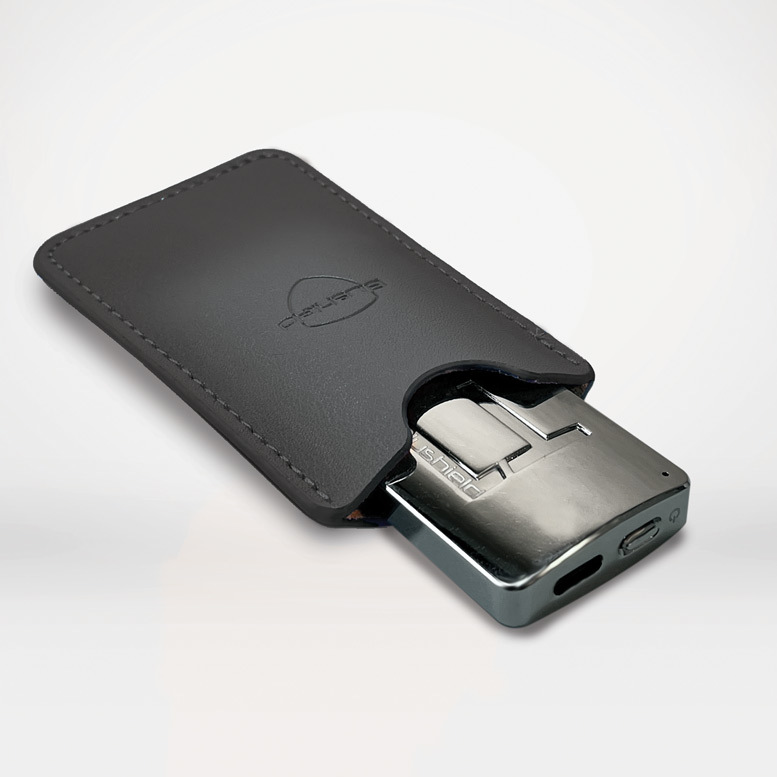
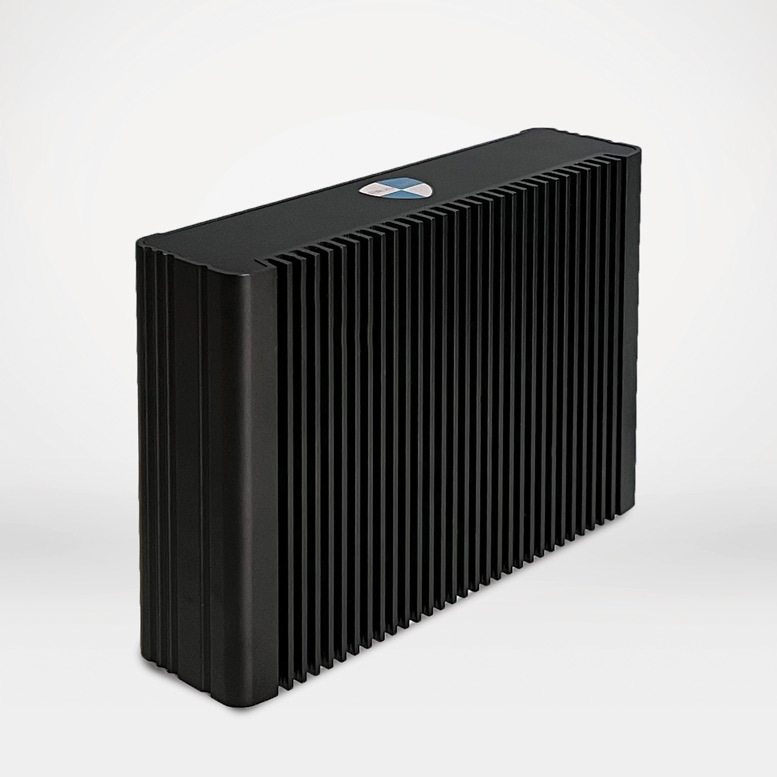
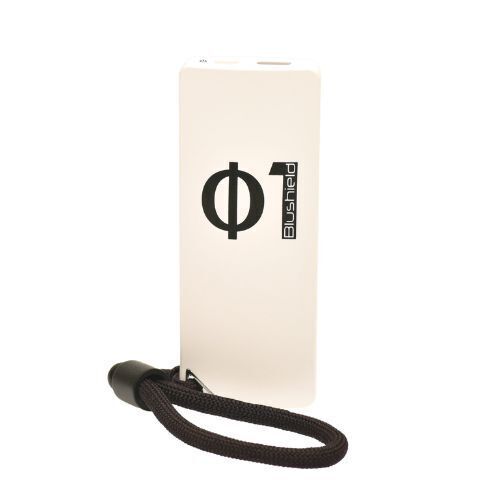
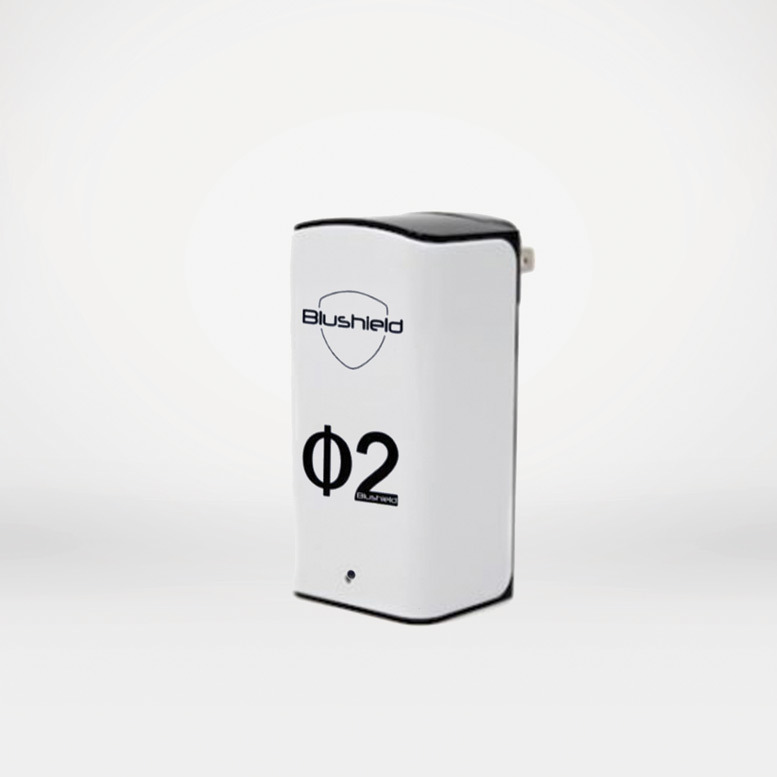
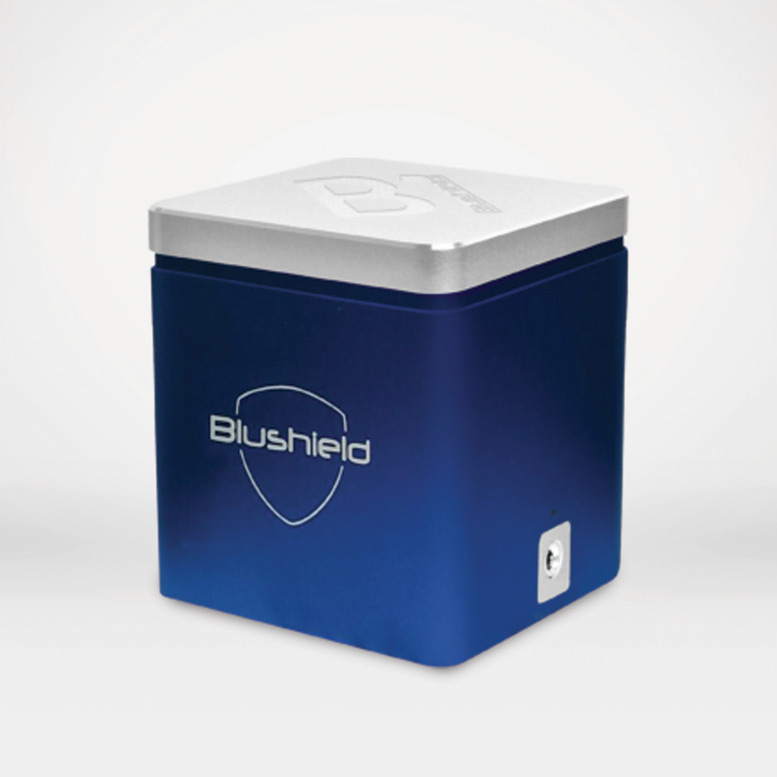
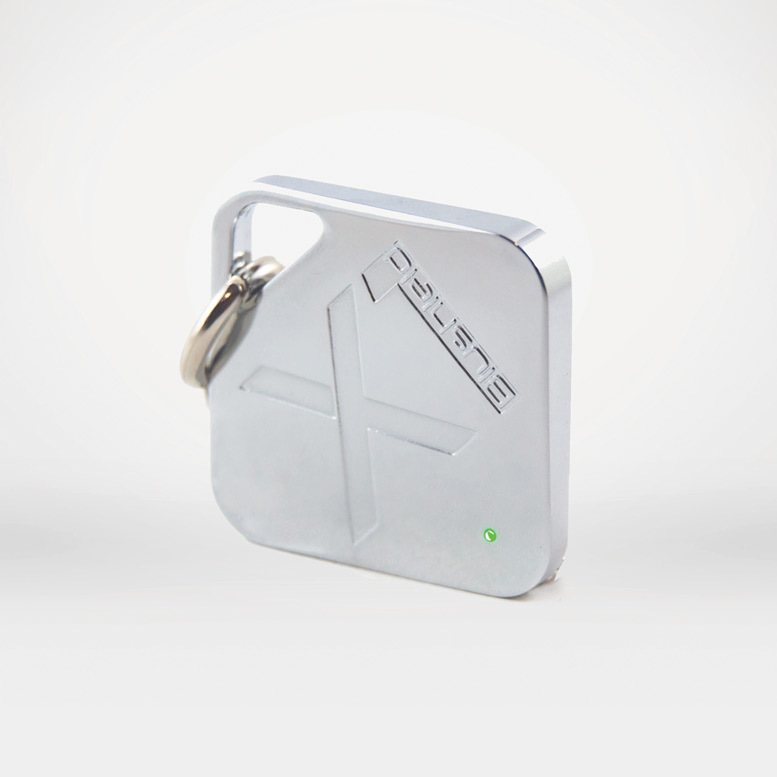
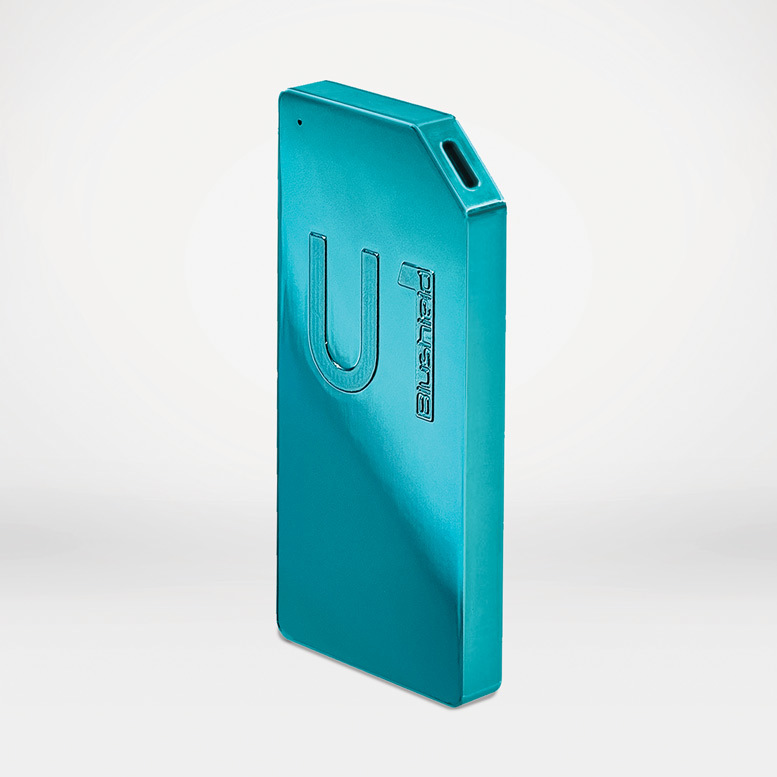
- Consider whole-home field protection — many people with sensitivity report benefit from an active device; see can Blushield help with sensitivity symptoms.
🌿 Find Your Relief
Protection Products & Expert Advice
Explore personal and whole-home protection — or book a consultation for a plan tailored to your symptoms.
Book a Consultation → Explore Blushield →Frequently Asked Questions
Can EMF cause headaches?
Headache is the most reported symptom among people sensitive to EMF. Provocation studies are mixed, but many people reliably notice head pain in high-EMF settings that eases when exposure drops. Rule out other causes with a doctor.
Is there a link between EMF and tinnitus?
Some research and many reports link RF exposure — especially phones held to the ear — with tinnitus, possibly via effects on the auditory nerve and inner ear. Evidence is still developing; see a clinician.
How do I know if EMF is causing my symptoms?
Keep a symptom/exposure diary, run a low-EMF bedroom trial, and measure with an RF meter. A consistent ease-when-reduced pattern points to EMF, but rule out medical causes first.
What helps relieve EMF-related headaches?
Keep the phone off your head, hardwire and turn off Wi-Fi at night, add distance from devices, and build a low-EMF sleep space. Many also report benefit from whole-home field devices.