EMF & Melatonin: How Wireless Disrupts Your Sleep Hormone
Melatonin is the hormone that tells your body it's night. Produced by the pineal gland as darkness falls, it governs when you feel sleepy, how deeply you sleep, and a cascade of overnight repair processes — and it's a powerful antioxidant in its own right. So it matters enormously that a growing body of research suggests electromagnetic fields can suppress melatonin. If your bedroom is filled with wireless signals, you may be quietly undermining the very hormone your sleep depends on. This guide explains the EMF-melatonin connection, what the science says, and exactly how to protect your sleep hormone for deeper, more restorative nights.
📋 In This Guide
Why Melatonin Matters So Much
Melatonin does far more than make you sleepy. It sets your circadian rhythm, triggers the deep stages of sleep where the body repairs itself, supports immune function, and mops up free radicals as one of the body's most important antioxidants. When melatonin is low, you don't just sleep badly — you lose a nightly wave of cellular protection and repair. Anything that chronically suppresses it is worth taking seriously.
🌙 Protect Your Sleep Hormone
Bedroom Shielding & Whole-Home Protection
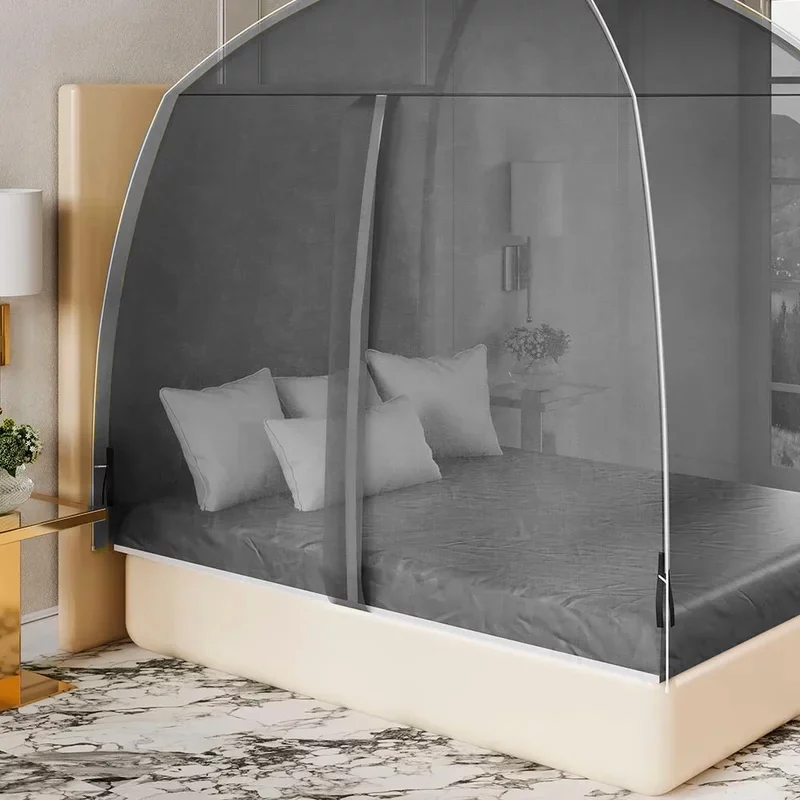
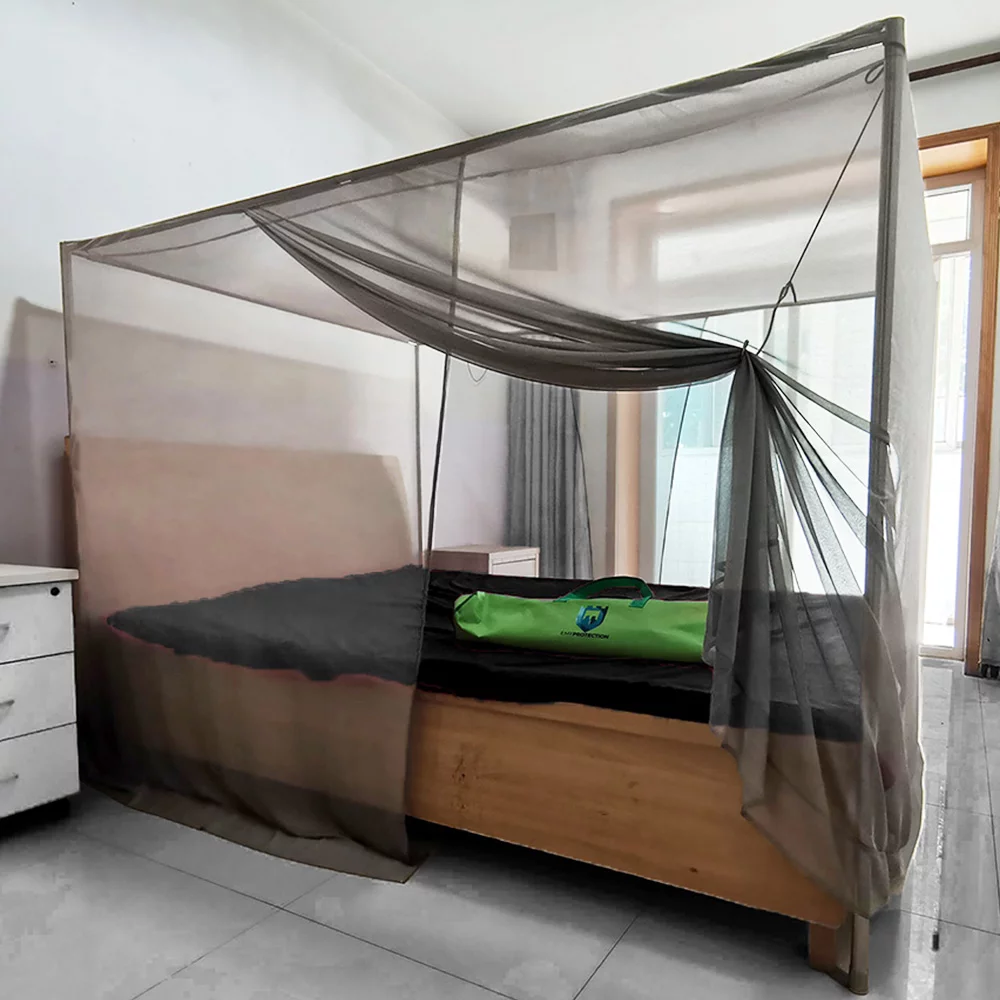
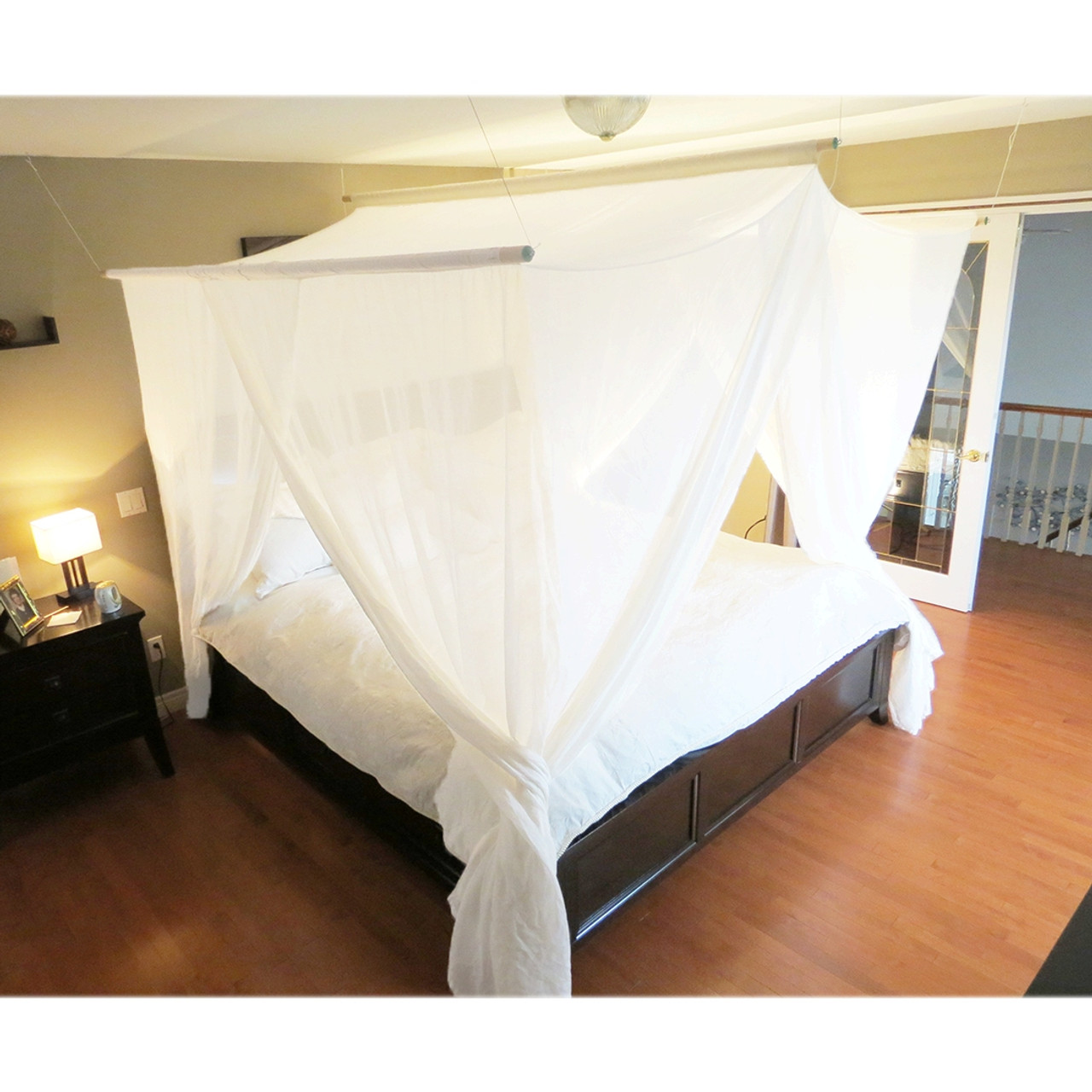
Canopies, shielding fabric and Blushield to create a low-EMF sleep environment.
The EMF–Melatonin Connection
The pineal gland is a tiny, light-sensitive structure deep in the brain — and research indicates it responds to electromagnetic fields as well as light. The leading hypothesis is that the pineal gland may interpret EMF as a kind of environmental signal, dampening melatonin output much as light does. There is also a mechanistic thread through oxidative stress: EMF is associated with increased free radicals, and melatonin is consumed in neutralising them — a double hit on the sleep hormone. We explore the underlying biology in EMF and oxidative stress.
What the Research Suggests
It's important to be measured: the melatonin research is mixed and still developing, with some studies showing suppression and others inconclusive. But the pattern across animal and human studies — combined with the millions of people who report better sleep after reducing bedroom EMF — makes it a reasonable, low-risk area to act on. You are not gambling anything by protecting your sleep environment, and the potential upside is a hormone central to your health. Our EMF and sleep quality guide covers the evidence in more depth.
The Bedroom Sources to Address
- Wi-Fi router — often the strongest RF source, radiating all night.
- Your phone by the bed — transmitting and, if you look at it, hitting you with melatonin-suppressing blue light too.
- A cordless phone base — frequently a 24/7 transmitter, as covered in our DECT phone guide.
- Smart devices, and external sources — towers and neighbours' Wi-Fi coming through the walls and windows.
- Blue light from screens and LED bulbs in the evening — a well-established melatonin suppressor working alongside EMF.
How to Protect Your Melatonin — Step by Step
Turn Off Wi-Fi at Night
Put the router on a timer so it switches off at bedtime, or hardwire and disable it. This removes the biggest RF source during your melatonin window. See our hardwiring guide.
Get the Phone Out of the Bed
Charge it across the room in airplane mode — this removes both its RF and the temptation of melatonin-killing blue light at 2am.
Remove 24/7 Transmitters
Relocate cordless phone bases and smart speakers out of the bedroom, and switch off unnecessary wireless devices.
Manage Evening Light
Dim the lights, use warm bulbs, and cut blue light from screens in the hour before bed to let melatonin rise naturally.
Shield External Sources
If a tower or neighbours' Wi-Fi comes through the walls, add a shielding canopy or window film, and consider whole-home protection with Blushield.
🌙 Sleep Deeper, Protect Your Health
Shop Bedroom EMF Protection
Canopies, shielding, meters and whole-home protection to safeguard your melatonin.
Shop at emf-protection.co.uk →Affiliate disclosure: We earn a small commission on purchases via this link — at no extra cost to you.
Frequently Asked Questions
Does EMF reduce melatonin?
Research suggests RF and low-frequency EMF can suppress melatonin in some animal and human studies. The pineal gland appears EMF-sensitive, which may help explain poor sleep in high-EMF bedrooms. Evidence is still developing.
How does EMF affect sleep?
Possibly by suppressing melatonin and by raising nervous-system arousal. Wi-Fi, a bedside phone, a cordless base and blue light all contribute.
Will reducing bedroom EMF improve my sleep?
Many report deeper sleep after turning off Wi-Fi at night, removing phones and shielding external sources. Results vary, but it's low-risk and often effective.
Blue light or EMF — which is worse for melatonin?
Both matter. Blue light is a well-established evening suppressor; EMF is an additional, less obvious factor. Address both for best results.







.webp)