Can EMF Exposure Affect Sleep Quality? The Research Explained

Sleep is the single most important biological recovery process the body undertakes. Disrupted sleep is linked to impaired immune function, metabolic dysfunction, increased cancer risk, cardiovascular disease, and neurodegeneration. If EMF exposure is disrupting sleep quality — even modestly — the downstream health implications are significant. Here is what the independent research says.
The Melatonin Mechanism
Melatonin is produced by the pineal gland in response to darkness. It regulates circadian rhythm, initiates sleep onset, governs sleep depth and architecture, and — critically — functions as one of the body's most potent antioxidants and tumour-suppressant hormones. Suppressed melatonin is associated not only with poor sleep but with elevated cancer risk, accelerated ageing, and impaired immune surveillance.
Touitou et al. (2017), publishing in the journal Pathophysiology, reviewed a substantial body of evidence linking EMF exposure to melatonin disruption. Multiple animal and human studies demonstrated that RF and ELF-EMF exposure — particularly at night — suppresses pineal melatonin output. The mechanism appears to involve the pineal gland's sensitivity to magnetic field disturbances interfering with its cryptochrome-based light detection system.
Key Studies on EMF and Sleep
A German ecological study (Altpeter et al., 1995) found significantly increased rates of sleep disturbance, fatigue, and cognitive difficulties in residents living near a shortwave transmission facility compared to a matched control population. When the facility was shut down, symptoms resolved.
Borbély et al. (1999) conducted a double-blind, crossover experiment in which participants slept in a shielded room either exposed or not exposed to pulsed 900MHz RF. The exposed nights showed a significant reduction in non-REM sleep power spectra — indicating measurably shallower, less restorative sleep — even though participants could not perceive which nights were exposed.
A 2004 German study of residents near mobile phone base stations found that participants living closer to masts had significantly higher levels of adrenaline and noradrenaline (stress hormones), lower melatonin levels, and poorer sleep quality scores than those living further away.
Building Biology Sleeping Area Guidelines (SBM-2015)
The Building Biology Institute's sleeping area thresholds for RF/microwave radiation are specifically designed around sleep protection, not just cancer risk. Their recommended maximum for "no anomaly" sleeping areas is 0.1 µW/m². A standard WiFi router in the bedroom produces levels of 1,000–100,000+ µW/m² at typical sleeping distances. The ICNIRP guideline, by comparison, is 10,000,000 µW/m² — the difference illustrates the gap between thermal-only safety guidelines and biological-effects-based recommendations.
Practical Bedroom Protection Steps
The bedroom is the highest-priority area for EMF reduction because of sleep duration (6–9 hours of daily exposure) and the biological sensitivity of melatonin-producing processes at night. The most impactful steps are:
- Router timer — plug your WiFi router into a mains timer set to cut power at bedtime and restore it in the morning. Takes 5 minutes and costs around £8.
- Phone out of the room — or strictly in aeroplane mode. A phone maintaining a mobile network connection sends pulsed signals throughout the night.
- No DECT base station in or near the bedroom — DECT cordless phone bases transmit a regular pulse at 1.88GHz even in standby. Replace with a corded phone or move the base to a distant room.
- Measure first — use an RF meter to identify actual sources. Many bedrooms have unexpected RF from neighbours' equipment, smart meters on shared walls, or building access points.
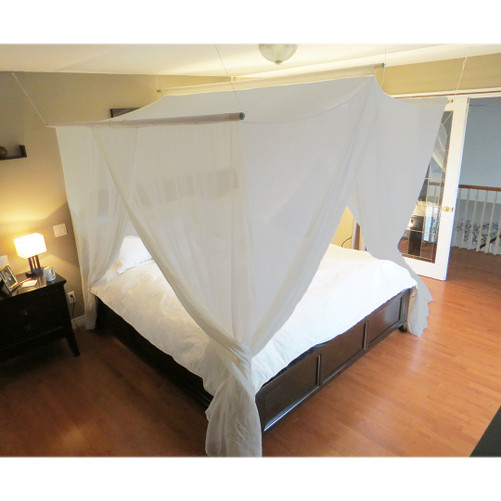
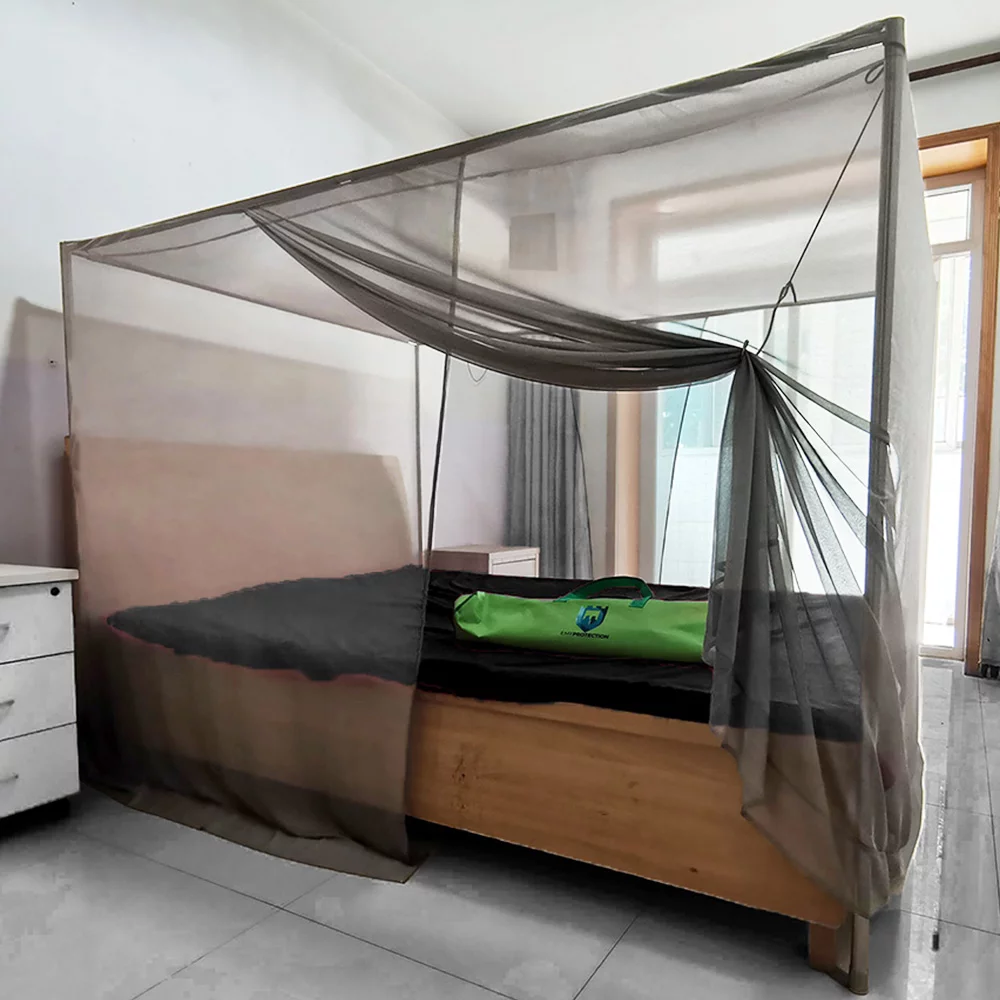
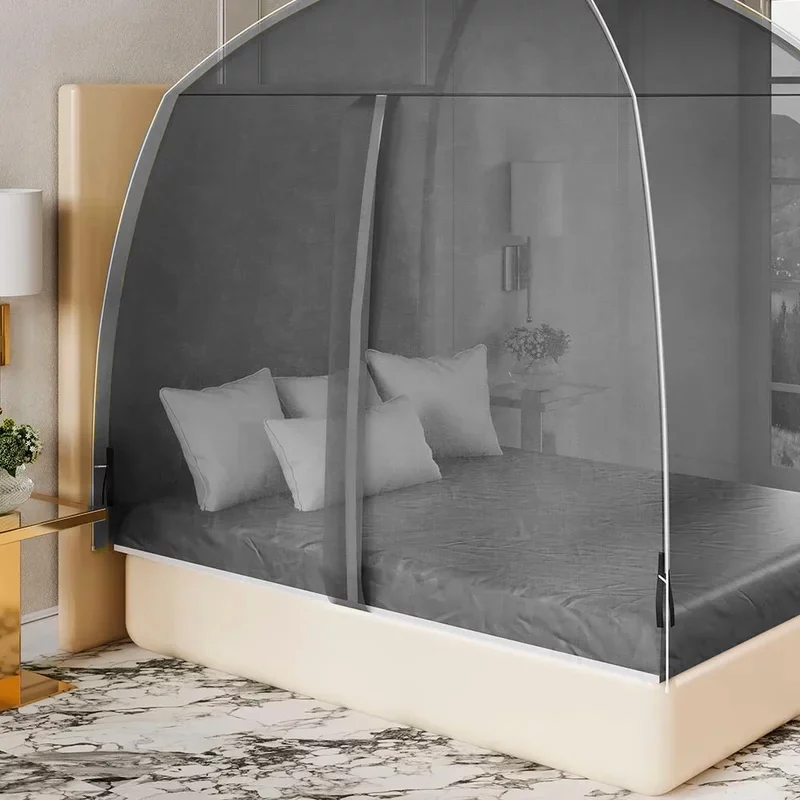
- Bed canopy shielding — if external sources cannot be controlled (a street-level cell mast, a neighbour's router through the wall), a correctly installed shielding bed canopy provides measurable protection.
🛡 Expert-Selected EMF Protection
Shop Verified EMF Protection Products
Every product independently selected — RF meters, shielding fabrics, Blushield devices, grounding products and more.
Related Questions
References
All research cited on this page is drawn from peer-reviewed journals, government agency publications, or formal scientific appeals. EMF Defender presents independent research findings; this page does not constitute medical advice. For health decisions, consult a qualified practitioner familiar with environmental medicine.
Related Products







Frequently Asked Questions
The primary mechanism is melatonin suppression. The pineal gland produces melatonin in response to darkness, triggering the onset of sleep and regulating sleep architecture throughout the night. Multiple studies have shown that EMF exposure — particularly at night — suppresses pineal melatonin output. Reduced melatonin means delayed sleep onset, lighter sleep, more nighttime waking, and reduced slow-wave (restorative) sleep. Secondary mechanisms include cortisol dysregulation and sympathetic nervous system activation, both of which impair sleep quality independently.
The key studies have demonstrated sleep disruption effects at levels far below current guidelines. The Building Biology Institute recommends sleeping area RF levels below 0.1 µW/m² (microwatts per square metre) specifically for sleep protection. A typical WiFi router at 5 metres produces levels 100–10,000× higher than this threshold. ICNIRP's guideline limit, by comparison, is 10 million µW/m² — 100 million times higher than the Building Biology sleeping area recommendation.
Yes, significantly. A smartphone in standby mode actively maintains a connection to the mobile network, sending and receiving pulsed signals throughout the night. Even in aeroplane mode, Bluetooth and WiFi are typically disabled but the device may still function. Research by Hocking (2014) documented sleep architecture changes in participants who kept their phones near the bed. The most protective step is placing the phone in another room entirely, or using a battery alarm clock and leaving the phone in aeroplane mode in a separate space.
Smart meters installed on bedroom walls or in adjacent rooms are a documented concern. They transmit high-power pulses thousands of times per day — including overnight. Anecdotal reports of sleep disturbance following smart meter installation are widespread. If your smart meter is on a bedroom wall or close to your sleeping area, this is worth measuring with an RF meter and potentially requesting relocation or a non-communicating replacement from your energy supplier — which is your legal right in the UK.
In order of impact: (1) Move your WiFi router out of the bedroom entirely — or connect it to a mains timer to cut power at bedtime. (2) Put your phone in aeroplane mode overnight, or charge it in another room. (3) Replace a cordless DECT phone base station in or near the bedroom — these transmit continuously even at standby. (4) Measure your bedroom RF levels with an acoustimeter or similar meter to identify unexpected sources. (5) Consider a bed canopy if other sources cannot be eliminated (e.g. neighbours' WiFi or a nearby cell mast).