How to Reduce EMF Exposure at Home: 12 Effective Steps Ranked by Impact

📋 Page Summary
How to reduce EMF at home — top steps ranked by impact: (1) Move WiFi router out of bedroom and add a mains timer — free/£8, highest impact. (2) Charge phone in another room or aeroplane mode overnight. (3) Switch smart meter to non-communicating mode — free, one phone call. (4) Switch work computer to wired ethernet. (5) Replace Bluetooth earbuds with air-tube or wired headphones. (6) Remove DECT cordless phone base from bedroom. (7) Use speakerphone for mobile calls rather than holding phone to head. (8) Keep 1 metre distance from microwave during use. (9) Measure your home with an RF meter before investing in shielding. (10) Address external sources (5G mast, smart meter) with EMF shielding paint or window film only after measuring.
Reducing your EMF exposure at home does not require expensive equipment, specialist consultants, or major home modifications. The most impactful steps are low-cost, practical, and can be implemented in an afternoon. Here is a ranked list from highest to lowest impact, based on typical household exposure profiles.
Step 1 — Router Nightly Timer (Highest Impact)
A mains timer on your router cuts WiFi radiation during sleep — the 8-hour period when the body is most biologically vulnerable. Cost: £6–10. Impact: eliminates the entire sleep-period WiFi exposure immediately.
Step 2 — Remove Phone from Bedroom
A phone on a bedside table in standby maintains a network connection and sends pulsed signals throughout the night. Moving it to a different room or strict aeroplane mode eliminates this entirely. Cost: £0.
Step 3 — Wired Ethernet for Fixed Devices
Connect desktops, smart TVs, and games consoles by ethernet cable. This removes WiFi RF from each connected device and reduces the router's overall data transmission load. Cost: ethernet cables from £5–15. Impact: significant for households with multiple streaming devices.
Step 4 — Remove DECT Cordless Phone Base Station from Bedroom
DECT phone bases broadcast a continuous pilot signal at 1.88GHz even when no call is in progress — 24 hours a day, in standby. If the base unit is in a bedroom or adjacent room, it is a significant continuous night-time exposure source. Replace with a corded phone or move the base to a distant room. Cost: £0–30.
Step 5 — Smart Meter Opt-Out / Relocation
If you have not yet had a smart meter installed, you can simply decline. If you already have one, request that it be switched to non-communicating mode (the transmitter is disabled). If it is installed on a bedroom wall, request relocation to an external meter box. Cost: £0 (legal right in UK).
Step 6 — Reduce Router Transmit Power
Most modern routers allow you to reduce transmit power in the advanced wireless settings. Reducing from 100% to 50% cuts output power significantly while maintaining adequate coverage in most homes. Cost: £0 (router setting change).
Step 7 — Measure Your Actual Exposure
Use an RF meter to map exposure levels in the rooms where you spend the most time, particularly the bedroom. This identifies unexpected sources and lets you prioritise action. A basic RF meter costs £50–150; the Acoustimeter AM-11 is the gold standard for domestic assessment.
Step 8 — Phone Handling Habits
Use speakerphone or wired earphones rather than holding the phone against your head. Do not carry the phone in a trouser or breast pocket. Use the phone on WiFi rather than 4G where possible — WiFi typically involves lower transmit power at the device end.
Step 9 — Microwave Oven Safe Distance
Stand at least 1 metre from a running microwave oven. Older ovens with degraded door seals can leak measurably. If your microwave is older than 10 years, consider testing the seal integrity with an RF meter or replacing the oven.
Step 10 — Bedroom Ethernet for Sleeping Devices
If you use a smart speaker, streaming device, or alarm clock radio in the bedroom, consider replacing WiFi-connected devices with wired equivalents (a corded clock radio, a wired speaker) or placing wireless devices at maximum practical distance from the bed.
Step 11 — EMF Shielding for High-Exposure Situations
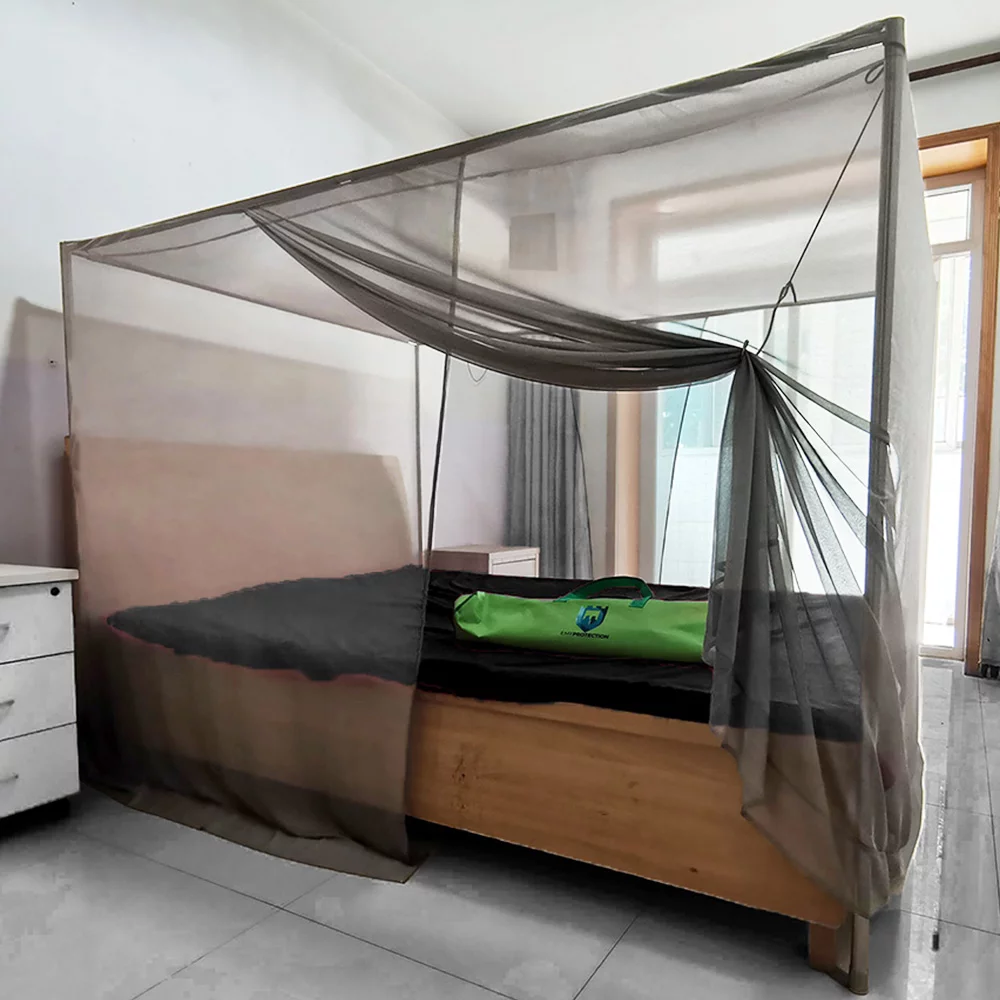
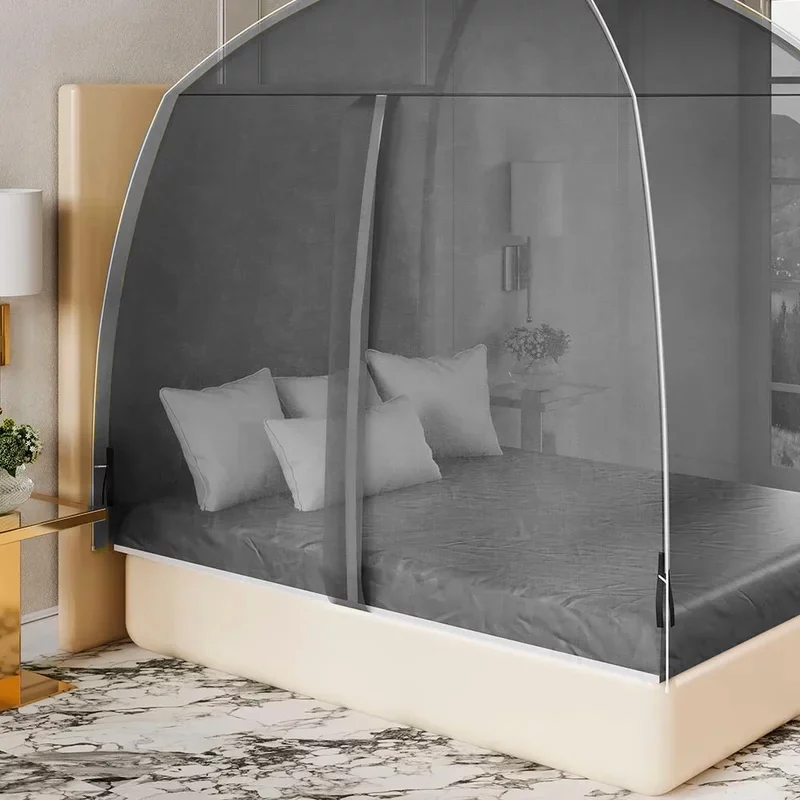
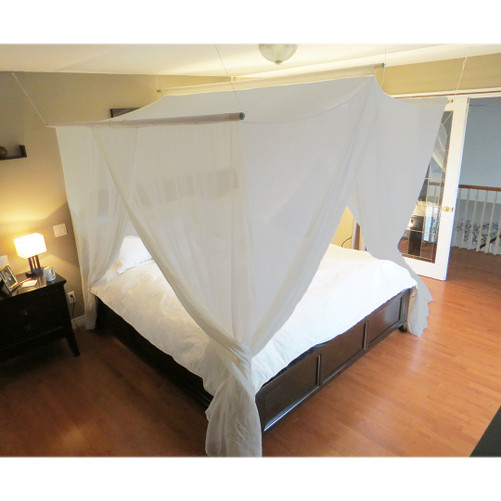
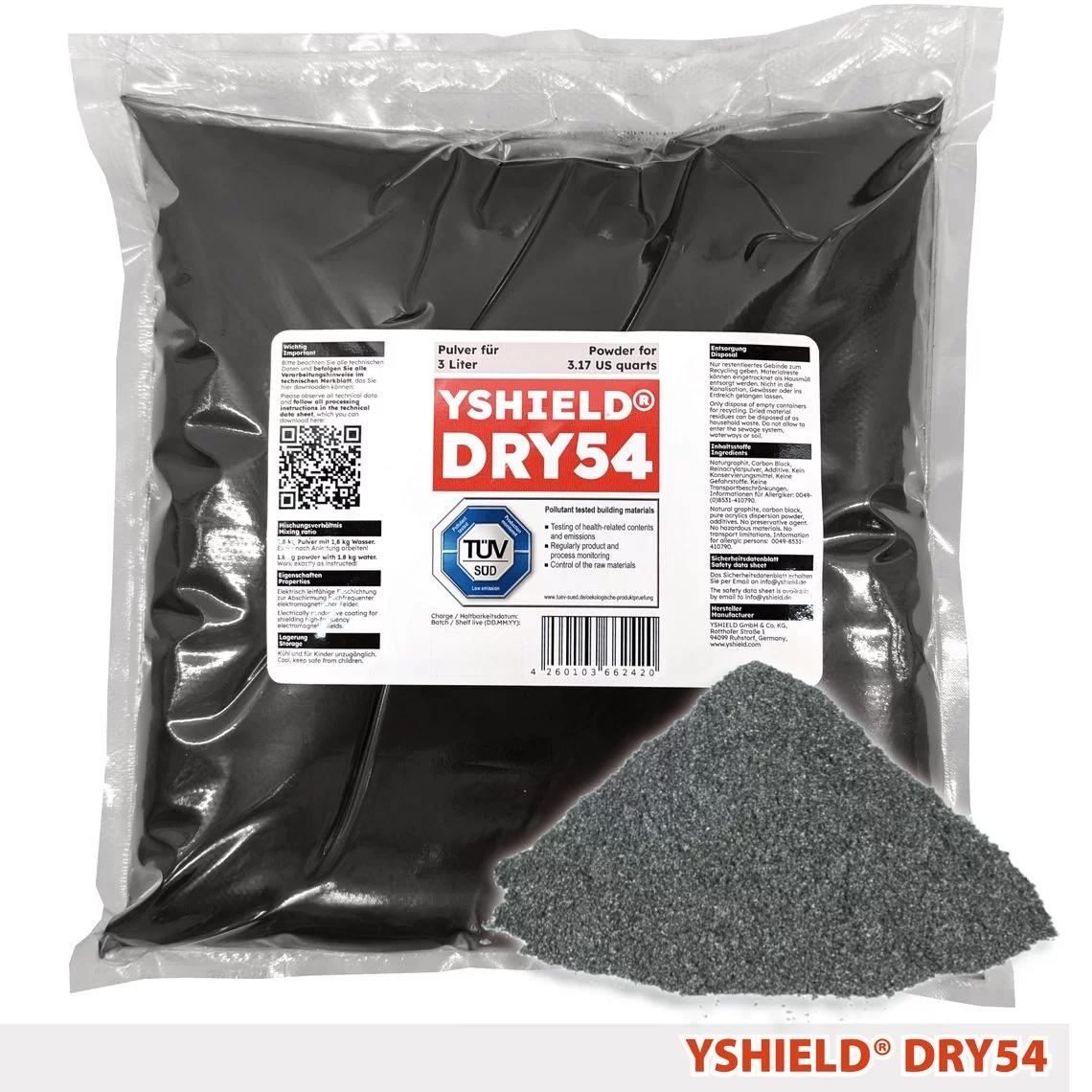
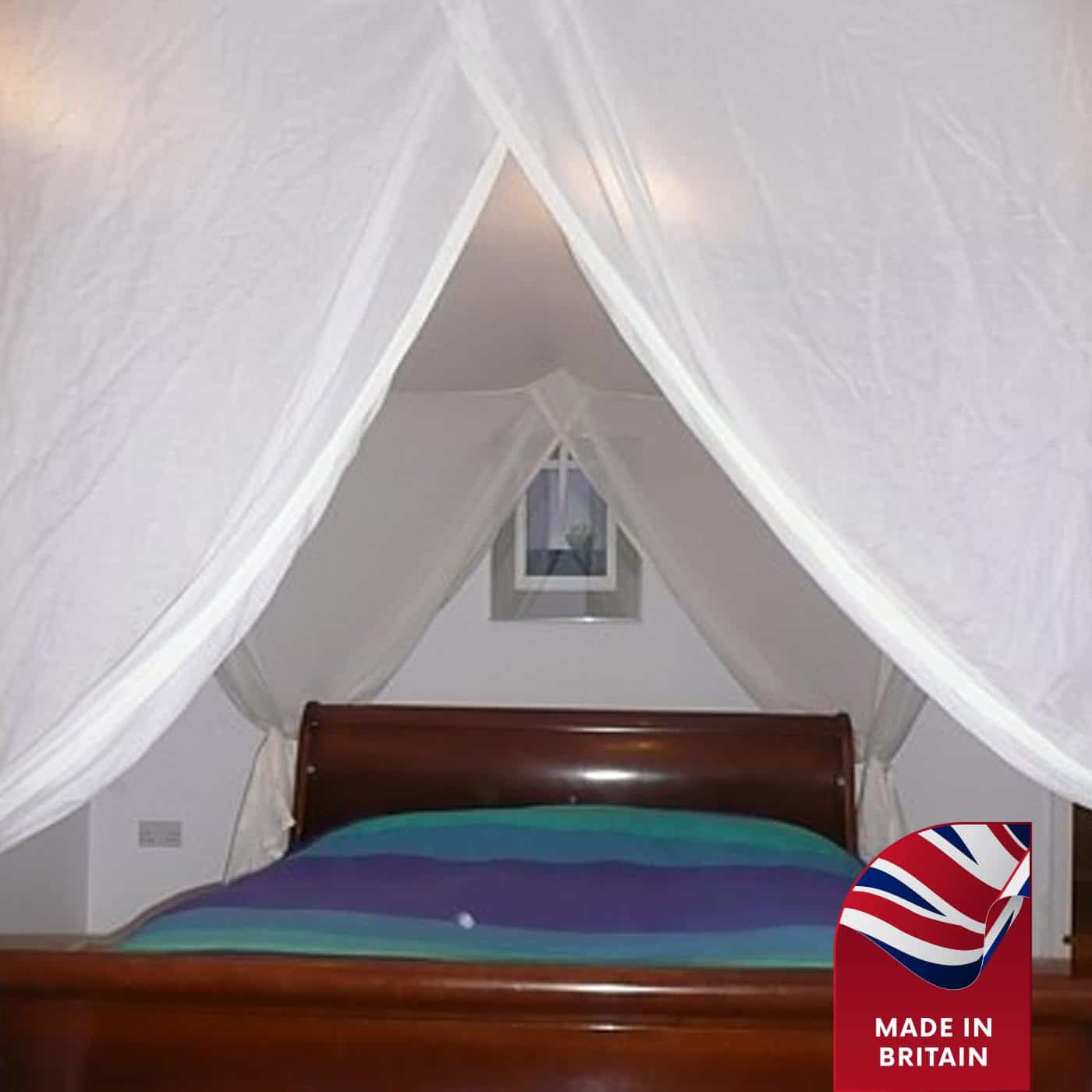
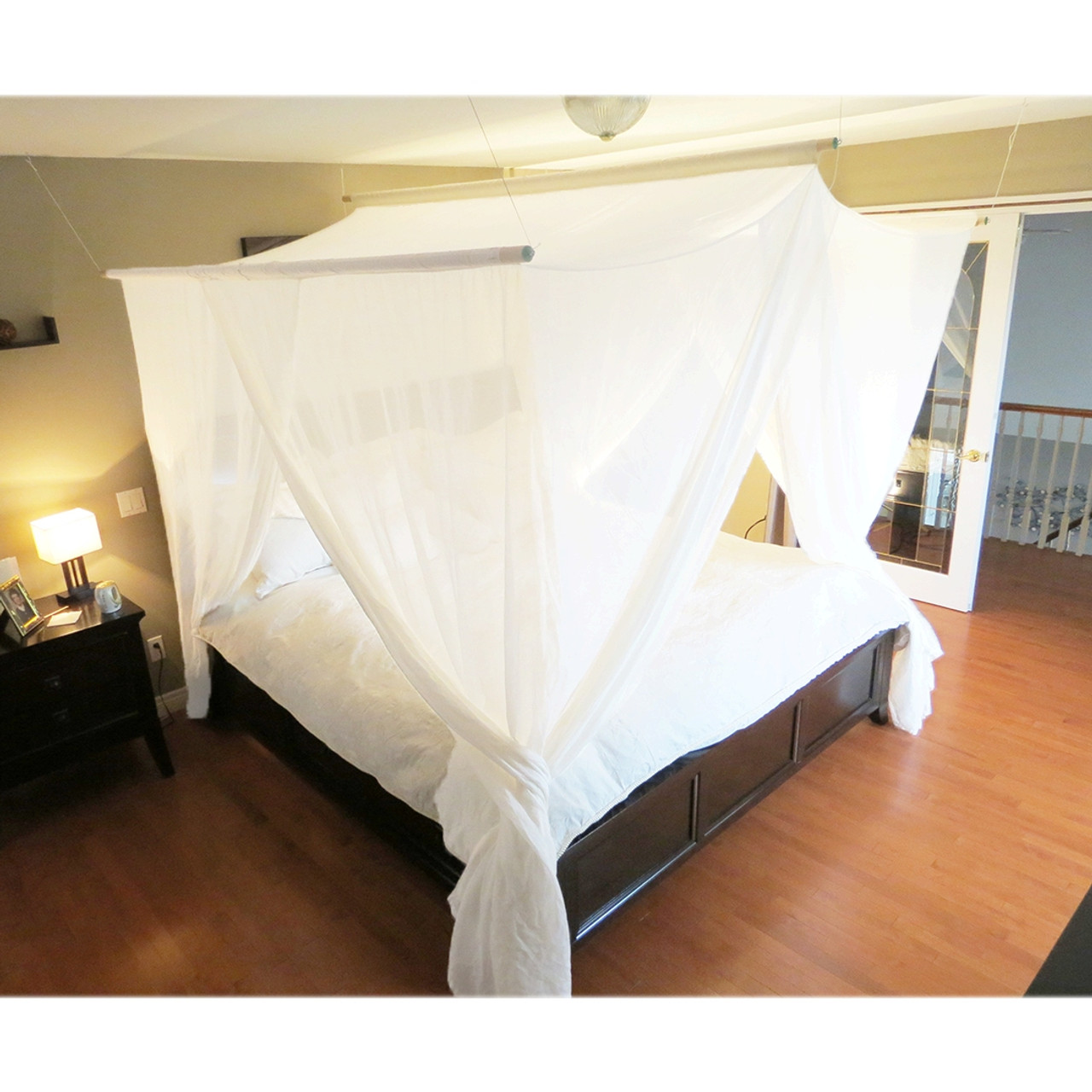
Where a high external RF source cannot be avoided (a 5G mast directly outside the bedroom window, a smart meter on a shared wall), consider targeted shielding: RF-attenuating window film, shielding paint on the facing wall, or a shielding bed canopy. Always measure before and after to confirm effectiveness.
Step 12 — Blushield Active EMF Protection
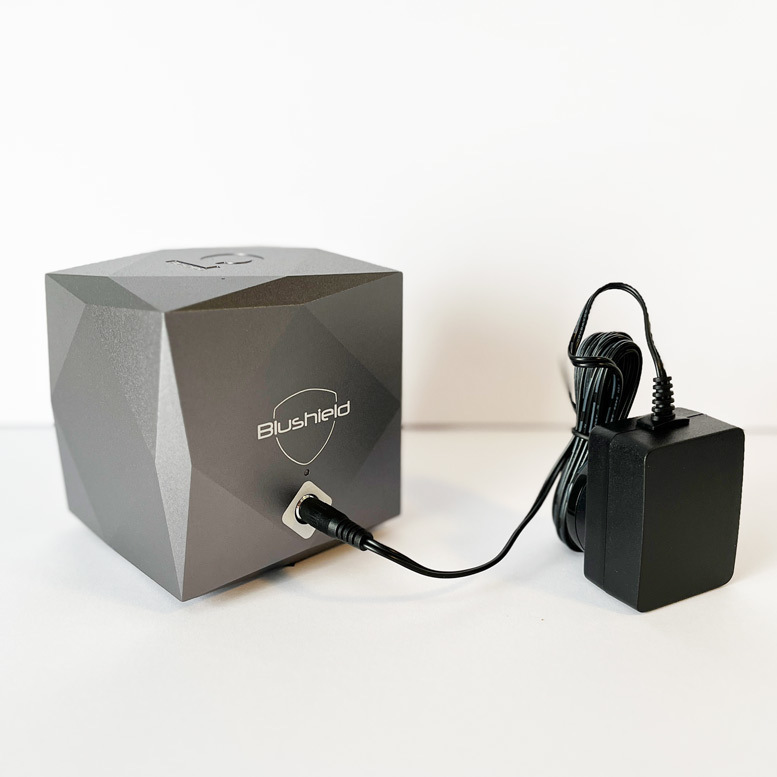
Blushield devices work on a different principle to passive shielding — they emit a coherent natural scalar field that the body can lock on to, potentially reducing its biological stress response to environmental EMF. Unlike shielding products, Blushield does not reduce measured RF levels (it is not a physical shield) but is designed to support the body's resilience to EMF. It is particularly popular with EHS sufferers and is the product we give special attention to on this site.
🛡 Expert-Selected EMF Protection
Shop Verified EMF Protection Products
Every product independently selected — RF meters, shielding fabrics, Blushield devices, grounding products and more.
Related Questions
References
All research cited on this page is drawn from peer-reviewed journals, government agency publications, or formal scientific appeals. EMF Defender presents independent research findings; this page does not constitute medical advice. For health decisions, consult a qualified practitioner familiar with environmental medicine.
Related Products



Frequently Asked Questions
For most households, the single highest-impact step is removing or switching off the WiFi router in or near the bedroom and/or putting it on a nightly mains timer. A bedroom router running 8 hours per night means 8 hours of continuous pulsed microwave radiation at short range during the period when the body undertakes its most important biological repair processes. A mains timer costs approximately £8 and automates the switch-off. The improvement in exposure during sleep is immediate, requires no specialist knowledge, and has no downsides.
Connecting a device via ethernet eliminates all WiFi RF from that specific device. A desktop computer that streams 4K video over WiFi generates substantial sustained RF transmission both at the device and at the router. The same computer on ethernet generates no WiFi RF at all. For fixed-position devices — desktop computers, smart TVs, games consoles — ethernet cables are a straightforward, permanent solution. If all fixed devices are wired, you can also reduce the router's WiFi transmit power (in router settings) significantly, or disable WiFi entirely during periods when no wireless-only devices need to connect.
You do not need a meter to implement the most impactful basic steps (router timer, phone out of bedroom, wired connections). However, a meter is extremely valuable for: (1) identifying unexpected sources you were unaware of (a neighbour's router through a wall, a smart meter on a shared partition, a DECT base in an adjacent room); (2) verifying that the steps you have taken have actually reduced levels; (3) prioritising which sources to address first based on actual measured levels rather than assumptions. An entry-level RF meter from around £50 is sufficient for domestic use.
EMF shielding paint (carbon-based conductive paint applied to walls) provides genuine RF attenuation — typically 10–35dB depending on formulation and application. It is worth considering when: (1) there is an external RF source you cannot control (a 5G small cell or mobile mast facing your bedroom window); (2) you have measured high levels from a neighbour's equipment through a shared wall; or (3) you have EHS and require a very low RF sleeping environment. It is not worth doing before measuring first — you need to confirm the source direction and level before committing to painting. Our shielding paint guide covers the major products and realistic attenuation figures.
Yes — especially if used held to the head or with the device on the body. A smartphone searching for a signal (low bars) can transmit at up to 2 watts — significantly higher than a router at close range. At full signal with good WiFi or 4G coverage, the phone transmits at much lower power. Practical steps: use speakerphone or wired earphones rather than holding the phone to your head; do not sleep with the phone on the bedside table (aeroplane mode minimum); avoid carrying it directly against the body in a pocket. These steps cost nothing and reduce exposure during highest-intensity use moments.