Mobile Phone Radiation: SAR Values, What They Mean & Safer Phone Habits

The mobile phone is the single highest-intensity RF exposure source for most people — not because it emits more power than a WiFi router per se, but because it is used pressed against the head or carried directly against the body. Understanding the actual exposure variables and the habits that change them is more useful than debating whether the phone's SAR value is 'good' or 'bad.'
SAR: A Useful Number With Important Limits
Every phone sold in the UK must display its SAR value. You can find it in the phone's settings (search 'SAR' or 'RF exposure'), in the user manual, or on the FCC's online database for US-specification phones. The EU/UK regulatory limit is 2.0 W/kg. Most modern smartphones have head SAR values of 0.5–1.5 W/kg. Lower is better, but the SAR value alone does not determine your actual exposure — usage habits matter far more.
How to Check Your Phone's SAR Value
On Android: Settings → About Phone → (search for) SAR or Legal Information. On iPhone: Settings → General → Legal & Regulatory → RF Exposure. Alternatively, dial *#07# on most Android devices to access regulatory information including SAR. The EU/UK limit is 2.0 W/kg (head and trunk); the UK body SAR limit is also 2.0 W/kg. If a device shows only a US SAR value (1.6 W/kg limit over 1g), the EU value measured over 10g tissue will typically be higher — ensure you are comparing equivalent measurements.
Distance Is Everything
The inverse square law governs RF exposure: double the distance, reduce exposure by 75%. A phone held against the ear at 0cm deposits the maximum measurable SAR in adjacent brain tissue. The same phone at 10cm from the head produces approximately 100× lower energy deposition in brain tissue. At 50cm (speakerphone distance) the exposure is so low as to be negligible. This is why speakerphone and wired earphones are the most impactful single change for reducing phone-specific RF exposure — regardless of which phone you use or what its SAR value is.
The Pocket Problem
Phones are not designed to be carried in contact with the body. Every smartphone's regulatory information includes a statement specifying the minimum separation distance at which the SAR was measured — typically 5–15mm for body exposure. Carrying the phone in a trouser pocket with zero separation means the body receives higher RF deposition than the SAR value accounts for. This is particularly relevant for testicular/pelvic exposure (Agarwal et al., 2008 documented sperm quality associations with trouser pocket phone carrying). Carrying the phone in a bag or jacket pocket with natural separation resolves this.
🛡 Expert-Selected EMF Protection
Shop Verified EMF Protection Products
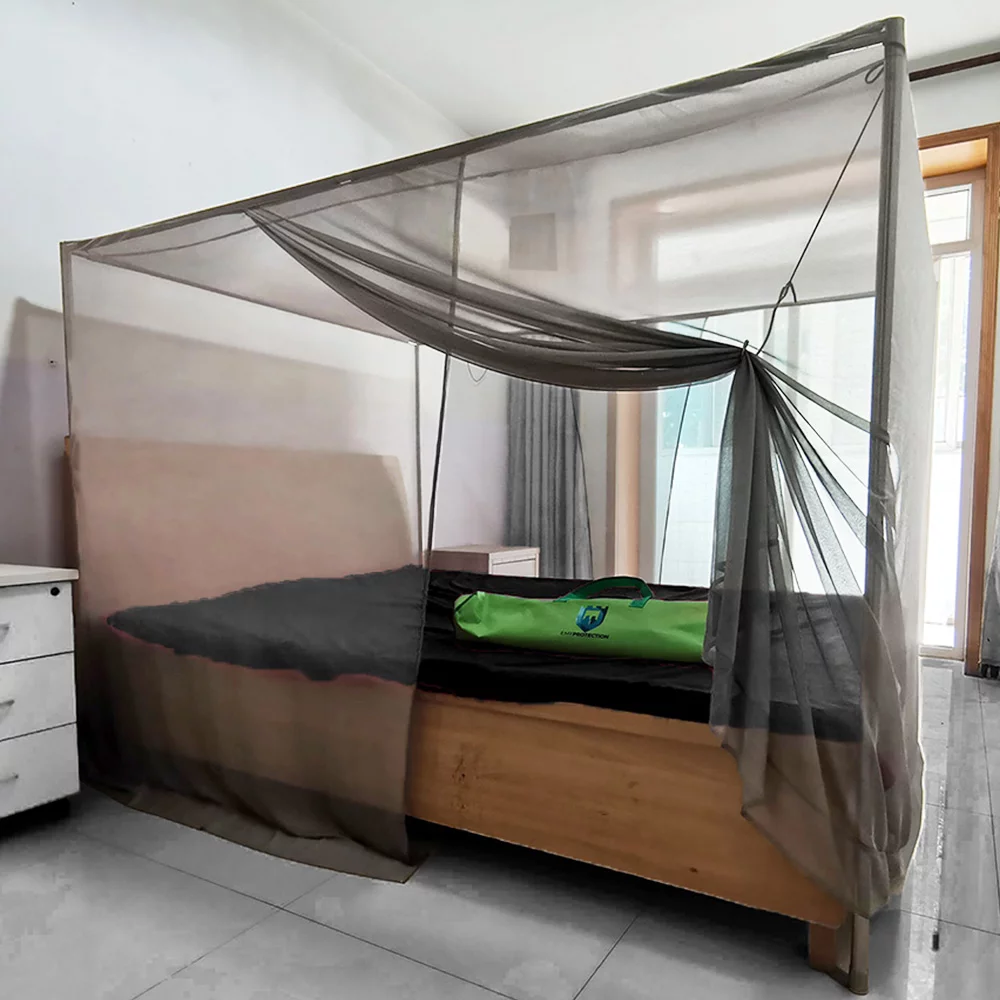
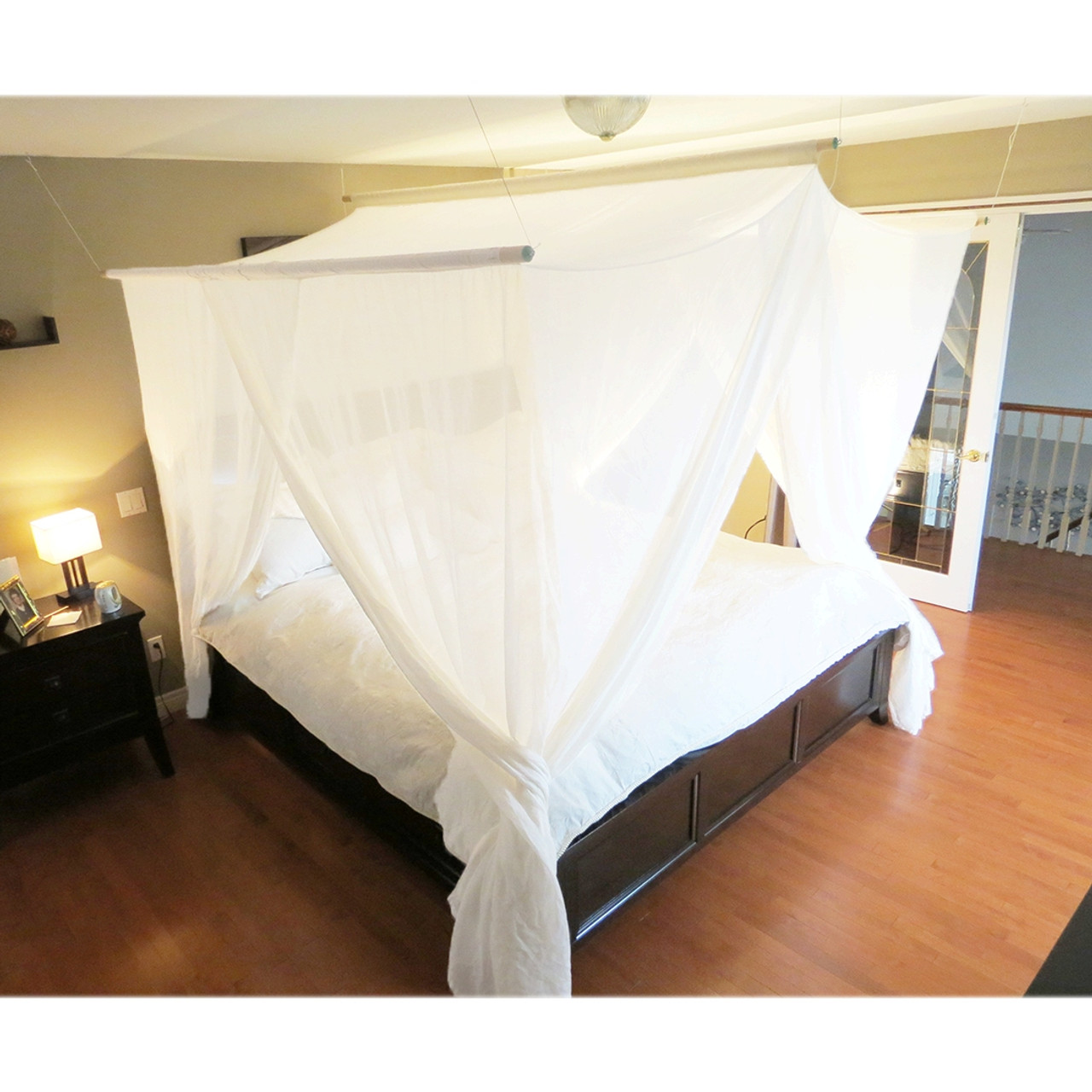
RF meters, shielding fabrics, Blushield devices, bed canopies, grounding products — independently selected.
Related Questions
References
All research cited is from peer-reviewed journals, government agency publications, or formal scientific appeals. This page does not constitute medical advice.
Related Products






Frequently Asked Questions
SAR (Specific Absorption Rate) measures the rate at which the human body absorbs energy from a radiofrequency source when in contact with it. For mobile phones, it is measured in watts per kilogram (W/kg) of tissue. The EU/UK regulatory limit is 2.0 W/kg averaged over any 10 grams of tissue (head and trunk). The US FCC limit is 1.6 W/kg over 1 gram. All phones sold legally in the UK and EU must stay below 2.0 W/kg. However, SAR values are measured in standardised laboratory conditions with the phone at a fixed distance from a tissue-simulating gel — not in real-world use conditions, which often involve the phone pressed directly against the head, in pockets against the body, or transmitting at higher power in poor signal conditions.
Phone RF output power is not fixed — it varies dynamically based on network signal strength. When signal is poor (low bars, in basements, on trains passing through tunnels, in rural areas) the phone increases its transmit power to maintain the connection, potentially reaching its maximum output. The highest exposure scenarios are: holding the phone against the head during a voice call in a poor signal area; carrying the phone in a trouser or breast pocket with the front of the phone facing the body (the antenna is typically positioned facing the user); sleeping with the phone on the bedside table actively maintaining a mobile network connection; and extended video calls where the phone is held in front of the face at short range.
Modern 4G (LTE) networks are generally more efficient than 3G — they require less transmit power to achieve the same data rates when signal is good. The trade-off is that 4G phones are typically transmitting more frequently (more data throughput) and maintain connections to multiple bands simultaneously. For voice calls specifically, VoLTE (Voice over LTE) and WiFi calling tend to use lower peak power than traditional GSM voice calls. The practical takeaway is that signal quality (bars) matters more than the generation — good signal in any generation means lower transmit power.
Ranked by impact: (1) Use speakerphone or wired earphones rather than holding the phone against the head — this increases distance from the transmitter to brain tissue substantially; (2) Do not carry the phone in a trouser pocket or breast pocket against the body — carry in a bag; (3) Do not sleep with the phone on the bedside table — put it in another room or in strict aeroplane mode; (4) Avoid using the phone in low-signal situations (lifts, trains, rural areas) for extended calls — the phone transmits at maximum power; (5) Use WiFi calling when on a good WiFi connection — this typically uses lower transmit power than 4G for voice calls; (6) Text or use messaging apps rather than voice calls where possible.
From a radiation physics standpoint, a child using the same phone as an adult in the same conditions receives higher SAR in brain tissue because of thinner skulls, higher water-content brain tissue, and the proportionally larger head size relative to the body. Gandhi et al. (2012) modelled these differences and found children's brains received significantly higher RF energy deposition at the same exposure level. Most phone manufacturers' SAR measurements are conducted using adult male tissue models — meaning stated SAR values may underestimate a child's actual absorption. This is a core argument for restricting children's phone use or for using speakerphone and wired earphones exclusively for children's calls.