What Are ICNIRP EMF Guidelines — and Why Do Scientists Say They Fail to Protect Us?

When you read that WiFi, 5G, or smart meters are 'within safe limits,' those limits are ICNIRP's. Understanding what ICNIRP is, how its guidelines were established, and why hundreds of independent scientists dispute their adequacy is essential context for making informed personal decisions about EMF exposure.
A Private Body With Global Regulatory Power
ICNIRP is a private German non-profit organisation that has no formal governmental mandate, yet its guidelines have been adopted verbatim as national law or regulatory standards across most of the developed world. The UK Health Security Agency (UKHSA), the European Union's Council Recommendation 1999/519/EC, the Australian Radiation Protection and Nuclear Safety Agency (ARPANSA), and telecommunications regulators in dozens of other countries all use ICNIRP limits as the basis for declaring mobile phone infrastructure and wireless technology 'safe.'
ICNIRP selects its own members. There is no external nomination process, no independent oversight body, and no formal requirement for financial disclosure from applicants. The organisation publishes guidelines that — if tightened — would require significant infrastructure changes or impose costs on the telecommunications industry. This structural arrangement is the source of the conflict of interest concerns raised by independent researchers.
The 5G Appeal and ICNIRP
The 5G Appeal — signed by 420+ scientists and medical doctors — specifically addresses ICNIRP in its text: "ICNIRP guidelines are not adequate to protect public health from RF-EMF including from the fifth generation (5G) of telecommunication networks." The appeal calls for the guidelines to be replaced by one developed through a transparent process with independent scientists free from industry conflicts of interest, and for exposure limits to be set based on the full body of biological effects research rather than only thermal effects.
The Thermal-Only Problem Explained Simply
Imagine a food safety limit for pesticides set entirely on the basis of preventing acute poisoning symptoms within 24 hours — ignoring all research on long-term carcinogenic, hormonal disruption, or developmental effects. That is the structural equivalent of ICNIRP's thermal-only approach. The limits prevent you from being cooked. They do not address the extensive body of research documenting chronic low-level biological effects.
Yakymenko et al. (2015) reviewed 100 peer-reviewed studies on RF-EMF biological effects. In 93 of those studies, oxidative stress was documented at field levels below ICNIRP guidelines. The consistent finding across 93 independent research groups that biological effects occur below 'safe' limits does not prove harm — but it does demonstrate that ICNIRP's thermal-only guideline basis fails to capture the documented scientific picture.
🛡 Expert-Selected EMF Protection
Shop Verified EMF Protection Products
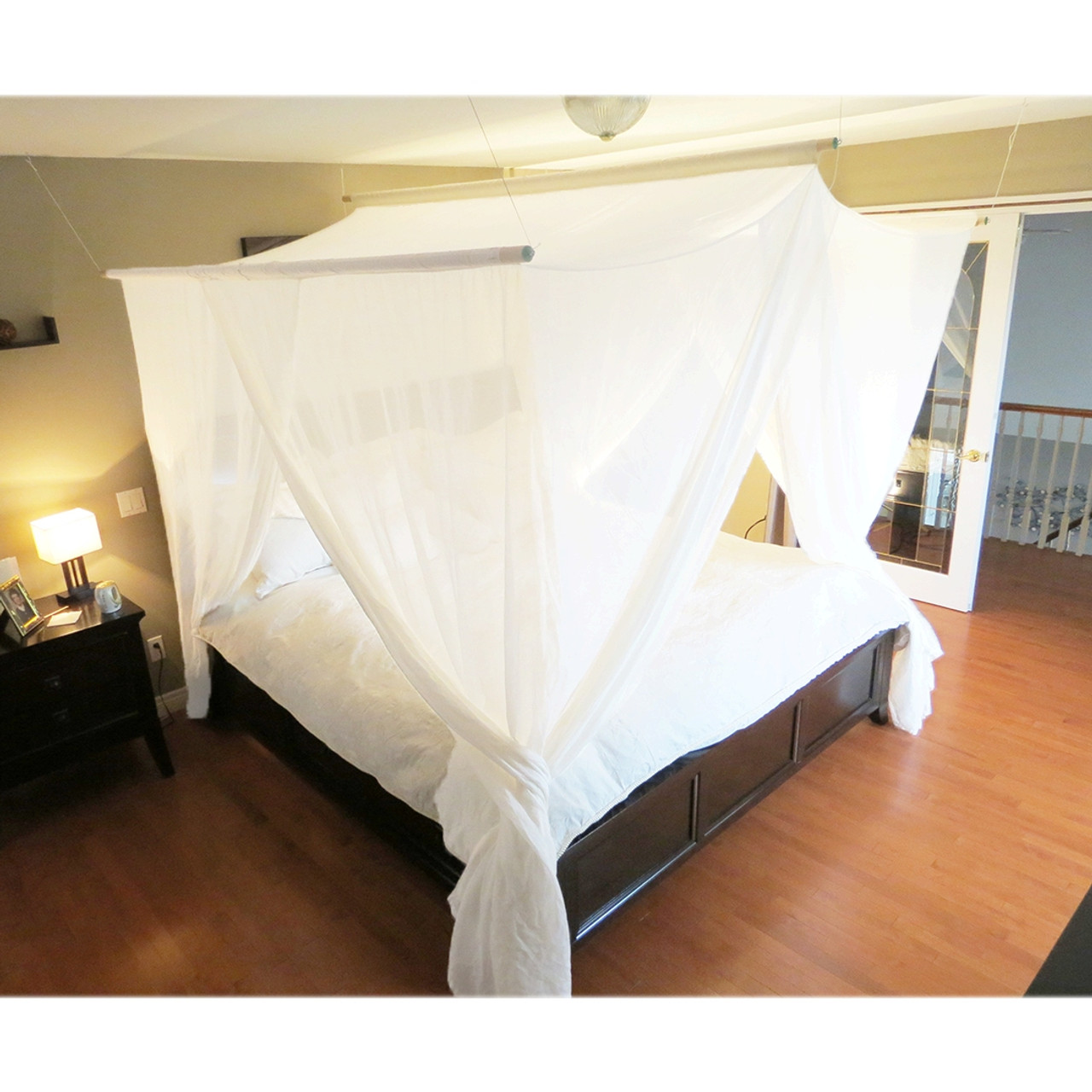
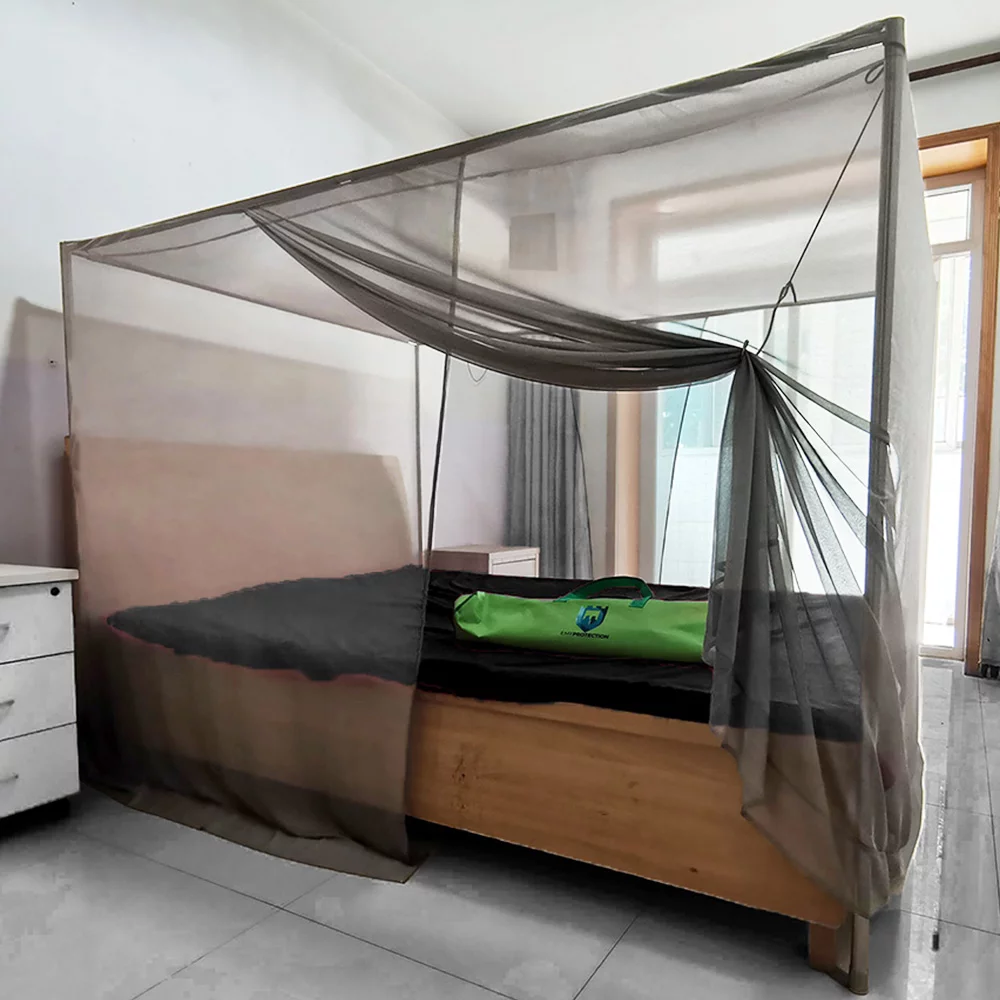
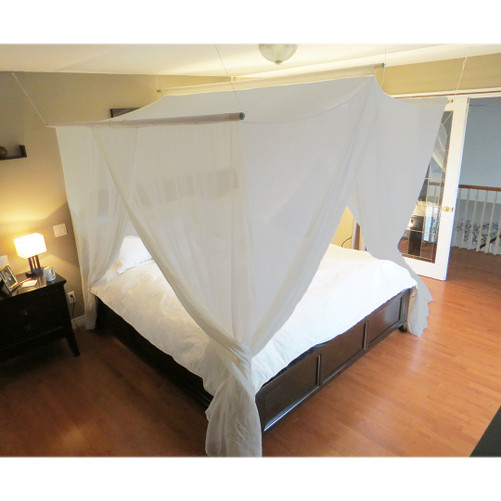
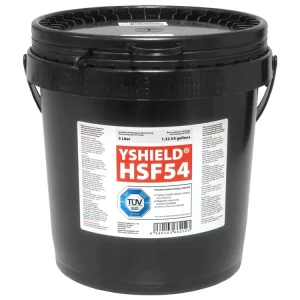
RF meters, shielding fabrics, Blushield devices, bed canopies, grounding products — independently selected.
Related Questions
References
All research cited is from peer-reviewed journals, government agency publications, or formal scientific appeals. This page does not constitute medical advice.
Related Products






Frequently Asked Questions
ICNIRP (International Commission on Non-Ionizing Radiation Protection) is a private German non-profit organisation that publishes guidelines on safe exposure limits for electromagnetic fields including mobile phone radiation, WiFi, and power lines. Despite being a private body with no formal governmental mandate, ICNIRP's guidelines have been adopted as the basis for national EMF regulations in the UK, EU, Australia, and most of the world. ICNIRP selects its own members internally — a fact that has drawn sustained criticism from independent scientists who argue this creates a self-perpetuating group without adequate external oversight or independence from the telecommunications industry.
ICNIRP's 2020 updated guidelines set a reference level for the general public of 10 W/m² (10,000,000 µW/m²) for frequencies around 2GHz (WiFi/4G). In the units used by RF meters, this is 61 V/m field strength. The Building Biology Institute recommends sleeping area exposure below 0.001 W/m² (1,000 µW/m²) as a 'slight anomaly' threshold and below 0.0001 W/m² (100 µW/m²) as a 'no anomaly' target. The BioInitiative Working Group recommends below 0.001 W/m² (1,000 µW/m²) for precautionary purposes based on the biological effects literature. ICNIRP's limit is therefore 10,000 to 100,000 times higher than evidence-based precautionary recommendations.
ICNIRP's guidelines are based on a single criterion: preventing acute tissue heating (specifically, preventing a temperature rise greater than 1°C in tissue at peak SAR). This thermal-only basis was established when non-thermal biological effects were poorly documented. Since the 1990s when these guidelines were set, over 10,000 peer-reviewed studies have documented biological effects at field levels far below the thermal threshold — including oxidative stress, DNA damage, voltage-gated calcium channel activation, and melatonin suppression. ICNIRP has consistently declined to update its guidelines to account for non-thermal evidence, citing insufficient certainty of causation. Independent scientists counter that the standard of proof ICNIRP requires is not applied to any other area of environmental health policy.
The conflict of interest concerns about ICNIRP centre on three issues: (1) self-selection — existing ICNIRP members choose new members, creating a closed group with consistent ideological alignment; (2) industry links — several ICNIRP members have documented past employment or consulting relationships with the telecommunications industry; (3) the effect of ICNIRP guidelines on industry — guidelines that require no change to existing infrastructure or technology impose no cost on the industry. The International EMF Scientist Appeal — signed by 240+ publishing researchers — specifically called for ICNIRP to be replaced by a more transparent process with stronger independence requirements. A detailed conflict of interest analysis was published by Hardell & Nilsson (2020) in the International Journal of Oncology.
ICNIRP guidelines provide a regulatory floor, not a health-optimal target. They specify the level below which acute tissue heating is prevented — not the level below which all biological effects are absent, or the level recommended by independent environmental health researchers. For practical personal protection, the Building Biology Institute's sleeping area thresholds provide a more precautionary target: below 0.1 µW/m² for 'no anomaly' RF levels during sleep. The most important practical point is this: you can be well below ICNIRP limits — 10,000 times below — and still benefit from further reducing your exposure based on the non-thermal biological effects literature.