Wireless Safety Limits Are 200× Too High, 2026 Study Warns
For years, the reassurance offered to anyone worried about wireless radiation has been the same: "It's within safety limits." A major peer-reviewed analysis published in 2026 challenges that reassurance head-on, concluding that current exposure limits for radiofrequency radiation are at least 200 times too high to protect the public against cancer risk. If correct, it means the entire "within limits" argument rests on a standard that was never designed to protect against the effects people are actually worried about. Here is what the study found, why the limits are so contested, and what it means for you in practice.
📋 In This Article
What the 2026 Study Found
The analysis, published in the field of environmental health, reviewed the evidence linking radiofrequency radiation from phones, Wi-Fi, smart meters and cell towers to biological harm, and compared it against the intensities the current limits permit. Its central conclusion is stark: the permitted exposure levels are at least 200 times higher than would be needed to protect against an increased cancer risk. In other words, "compliant" does not mean "safe" — a device can sit comfortably within the legal limit while still exposing users to levels the evidence associates with harm.
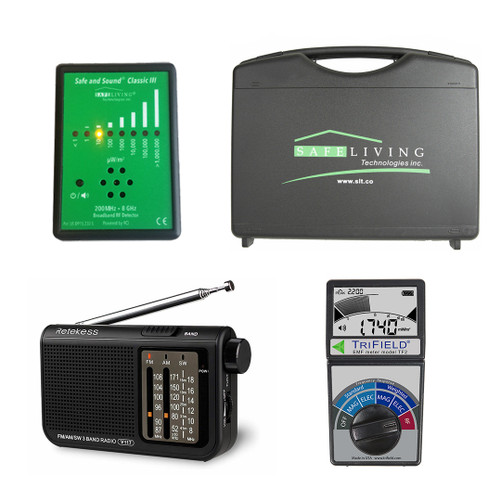
📏 See Your Own Exposure
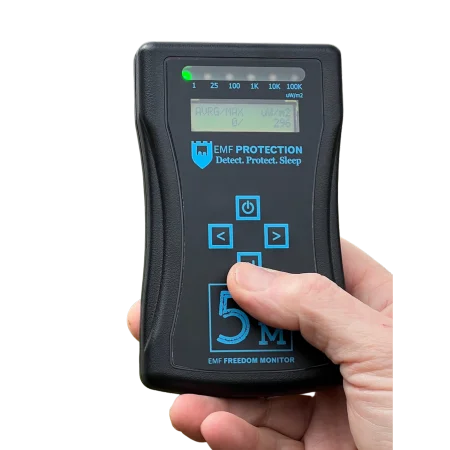
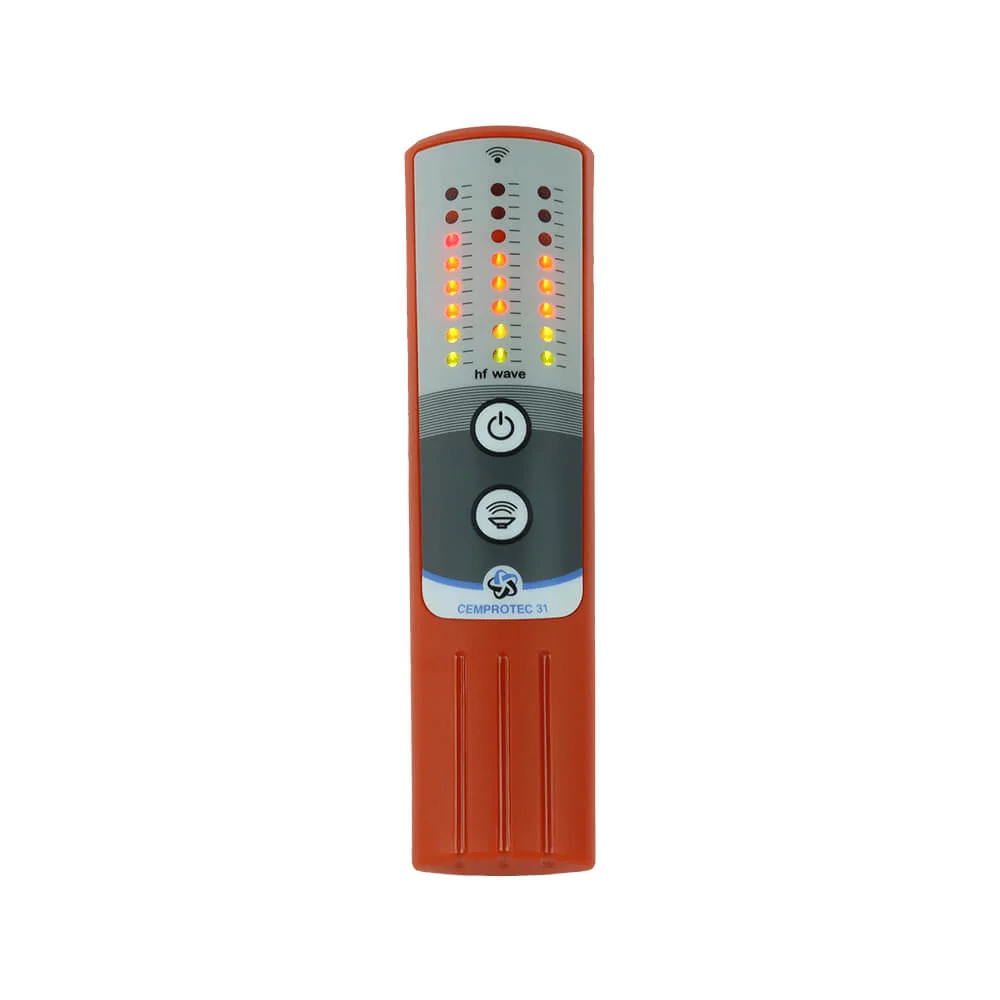
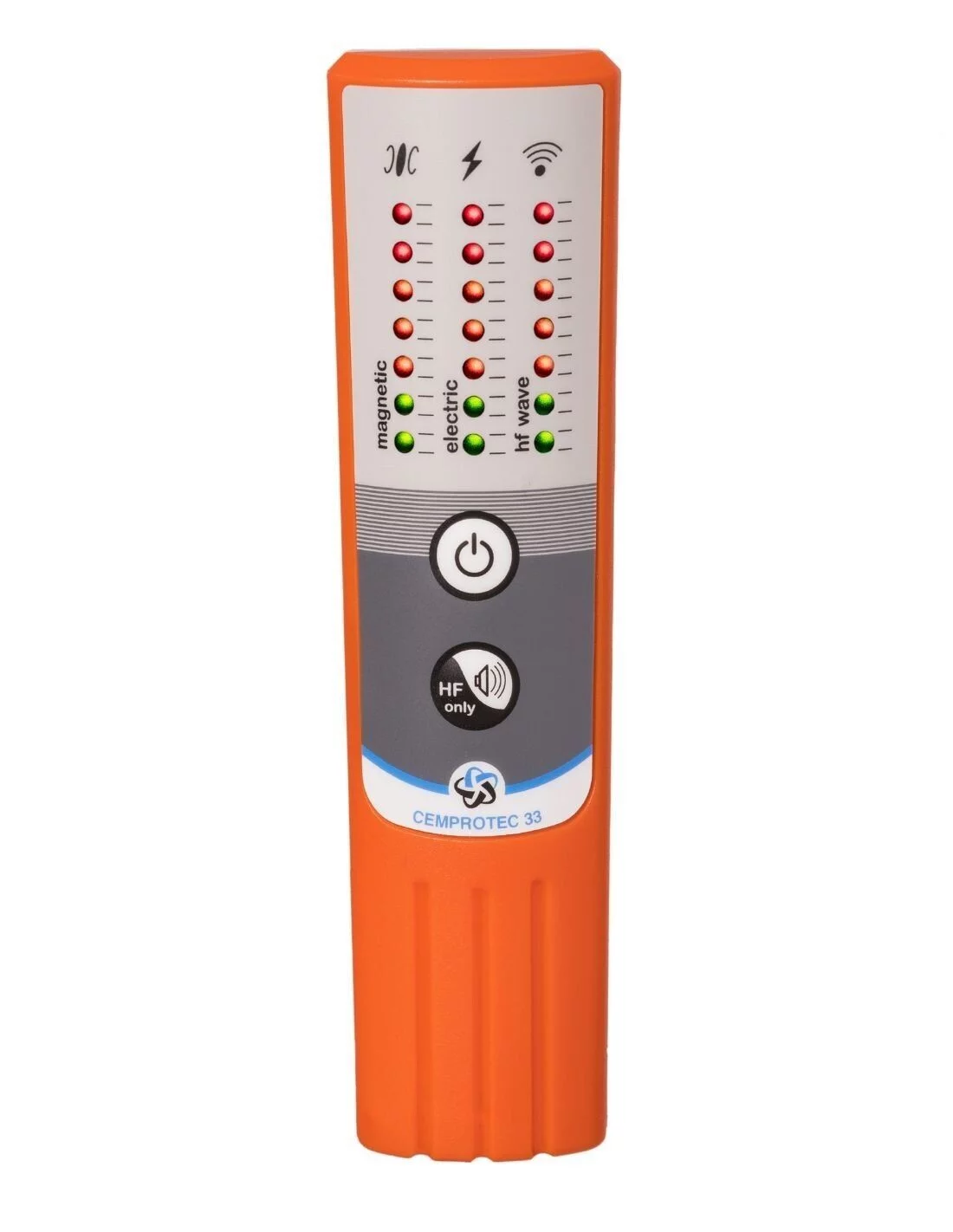
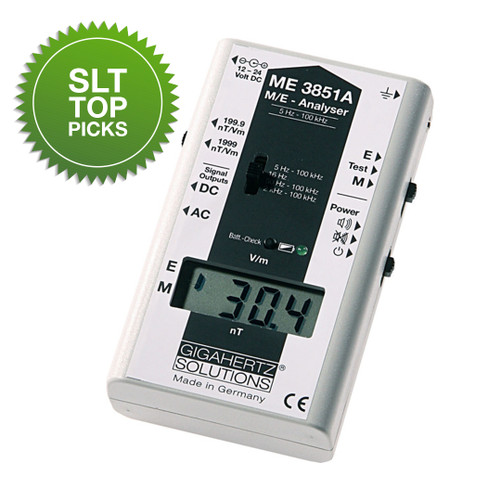
Measure the RF Around You
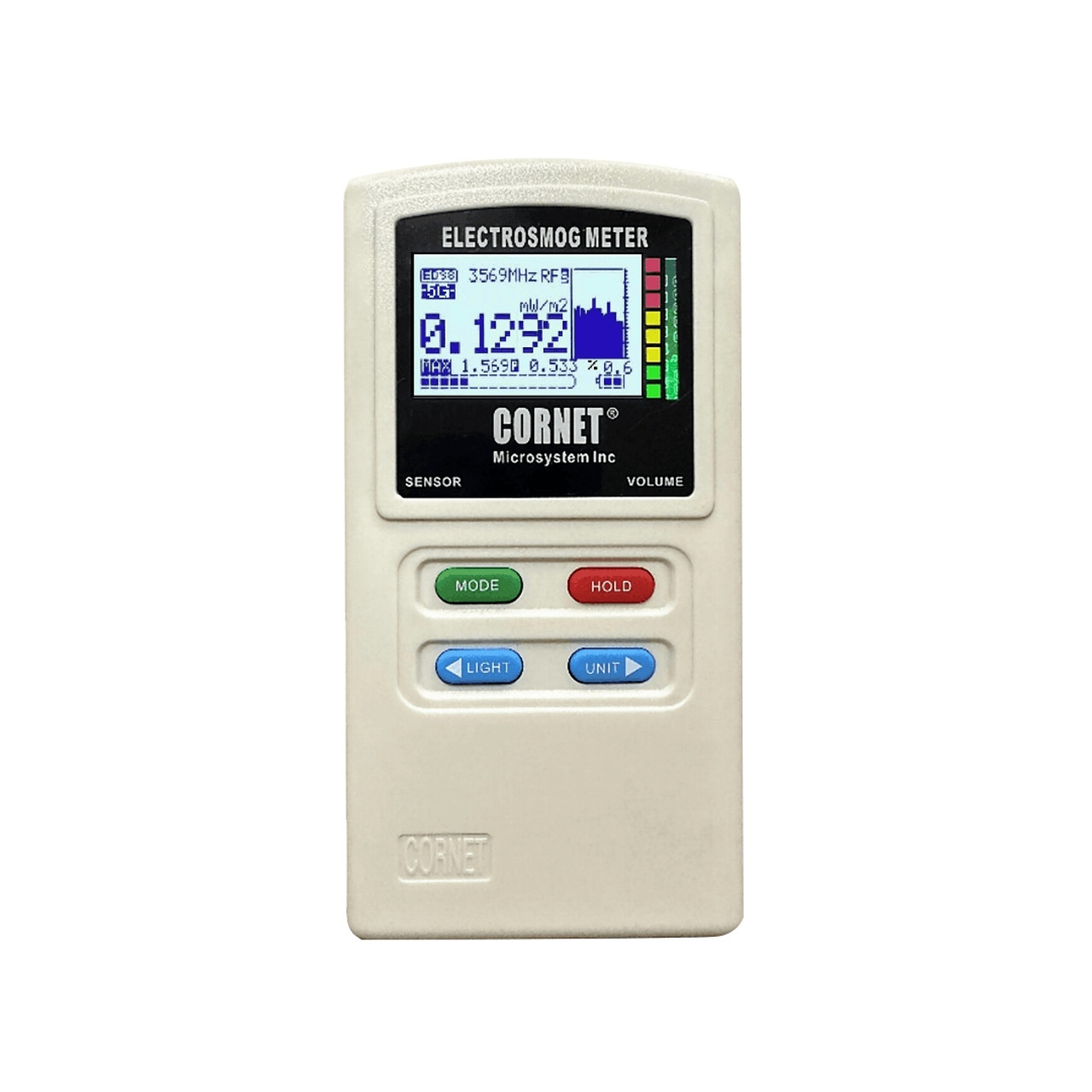
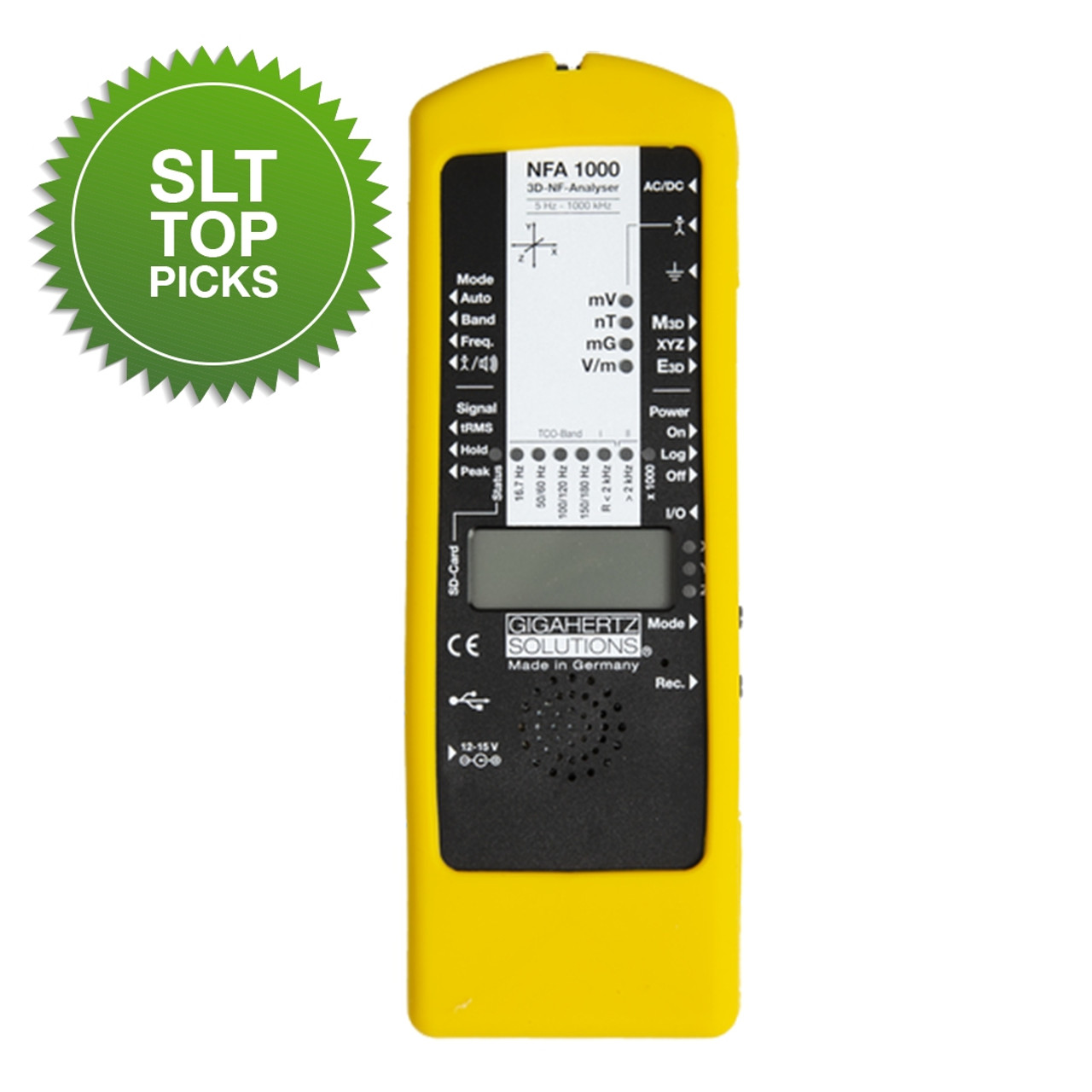
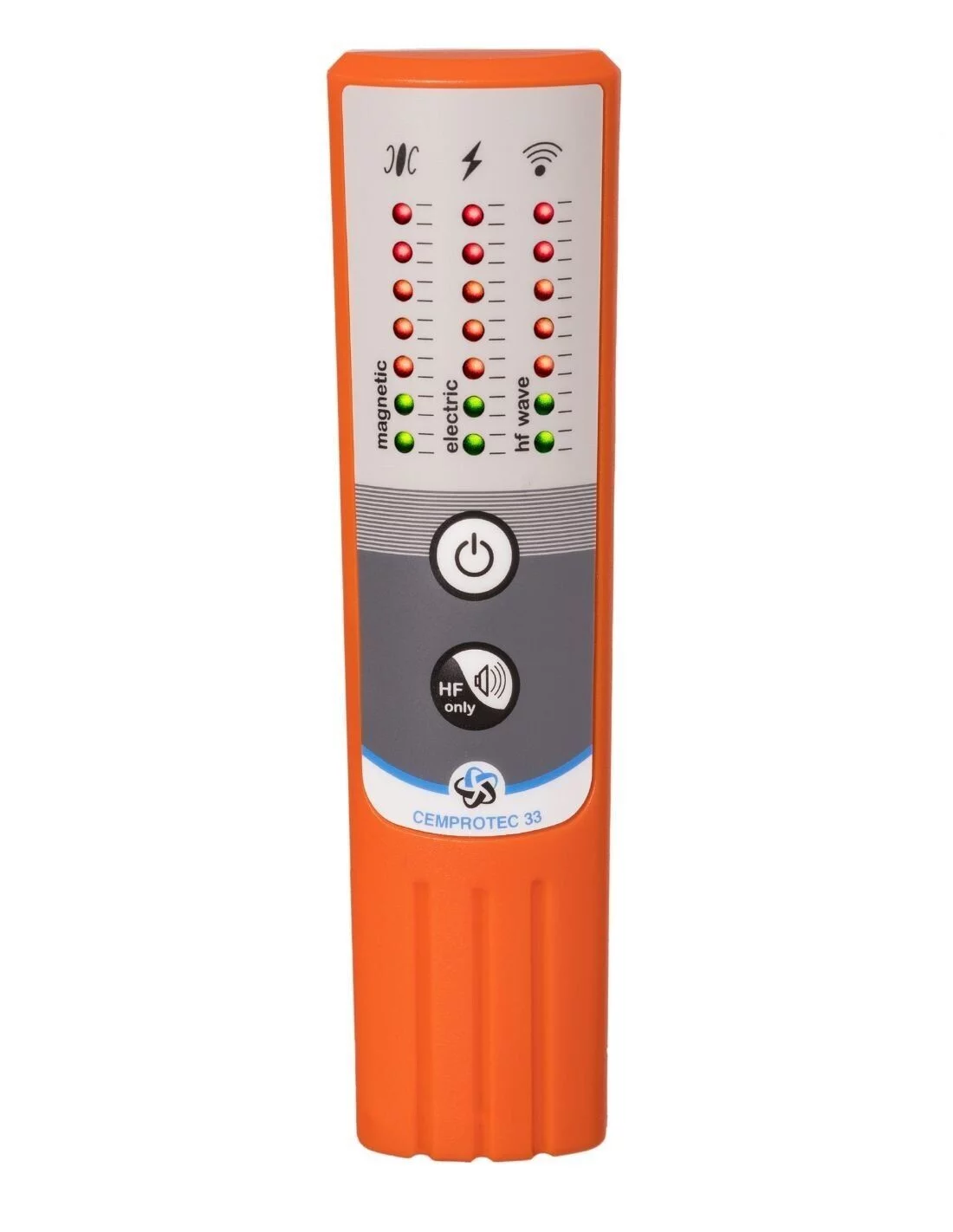
An RF meter reveals how much radiation you're actually living in — and where it comes from.
Why the Current Limits Are So Outdated
Modern exposure limits — such as those from ICNIRP internationally and the FCC in the United States — were built around a single question: does the radiation heat tissue enough to cause harm over a short exposure? That made sense for the technology and knowledge of the time. But two things have changed. First, wireless exposure is now continuous and cumulative — from birth, in every room, all day. Second, thousands of studies have since reported biological effects at intensities far below the level needed to heat tissue at all. Our overview of why scientists are demanding tighter rules and the safety gaps in recent reports covers this in depth.
The "Thermal-Only" Blind Spot
Heating Is Not the Only Way Radiation Harms Cells
The core flaw critics identify is that the limits recognise only thermal harm. Yet research points to non-thermal mechanisms — oxidative stress, effects on voltage-gated calcium channels, and DNA effects — occurring at exposures that produce no measurable heating. A limit that ignores these mechanisms cannot, by definition, protect against them. This is the heart of the 200× gap: the standard is measuring the wrong thing.
You can read more about the underlying biology in our features on EMF and oxidative stress and the voltage-gated ion channel mechanism.
What It Means for You
You do not need to panic — but you do have good reason to stop treating "within limits" as a guarantee of safety. Practically, it means:
- The safety margin you assumed exists may not. Reasonable precaution is justified, not paranoid.
- Chronic, low-level sources — Wi-Fi, smart meters, a phone under the pillow — deserve attention precisely because exposure is constant.
- Children, whose thinner skulls and developing bodies absorb more, warrant extra care. See our EMF protection for kids guide.
What You Can Do About It
Measure Your Environment
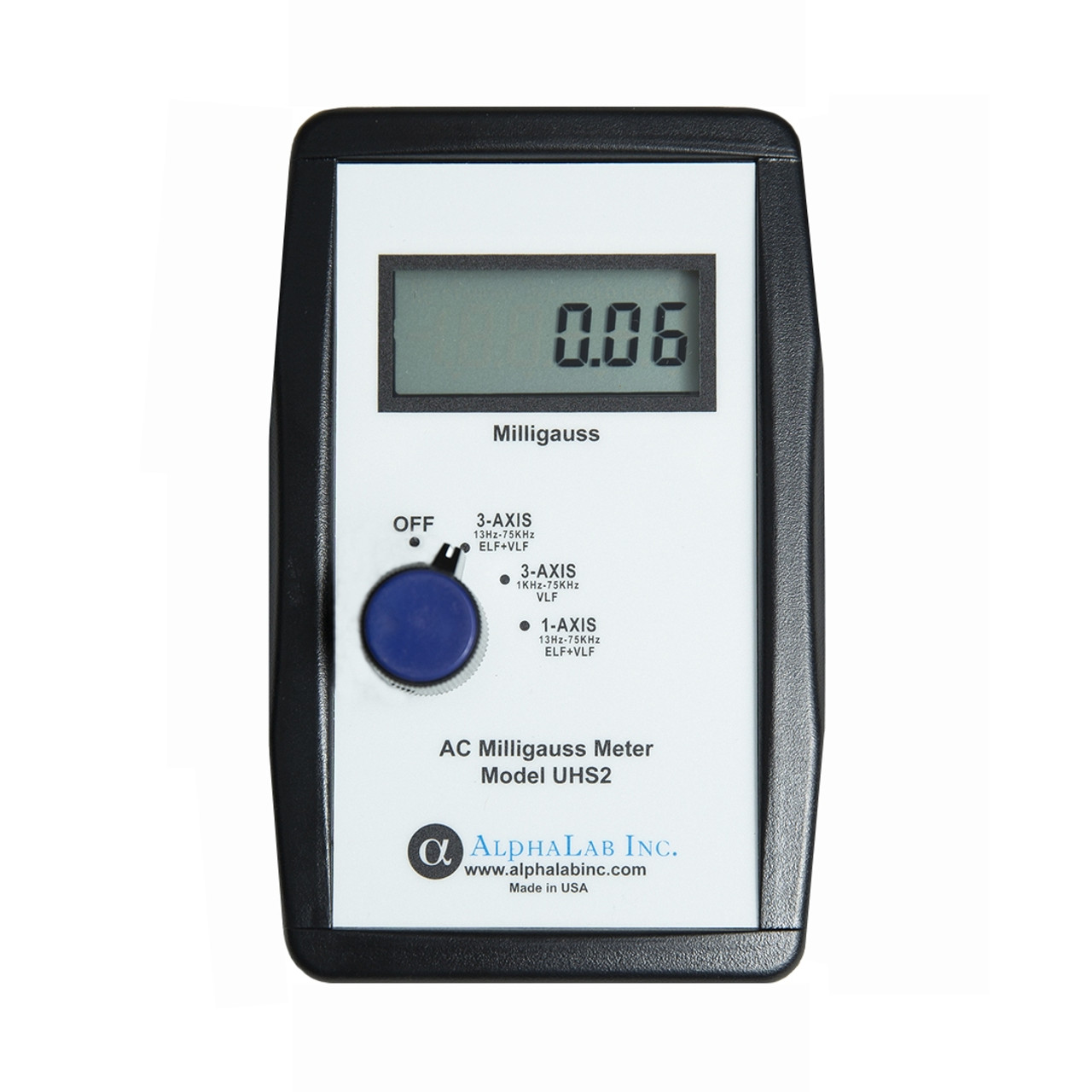
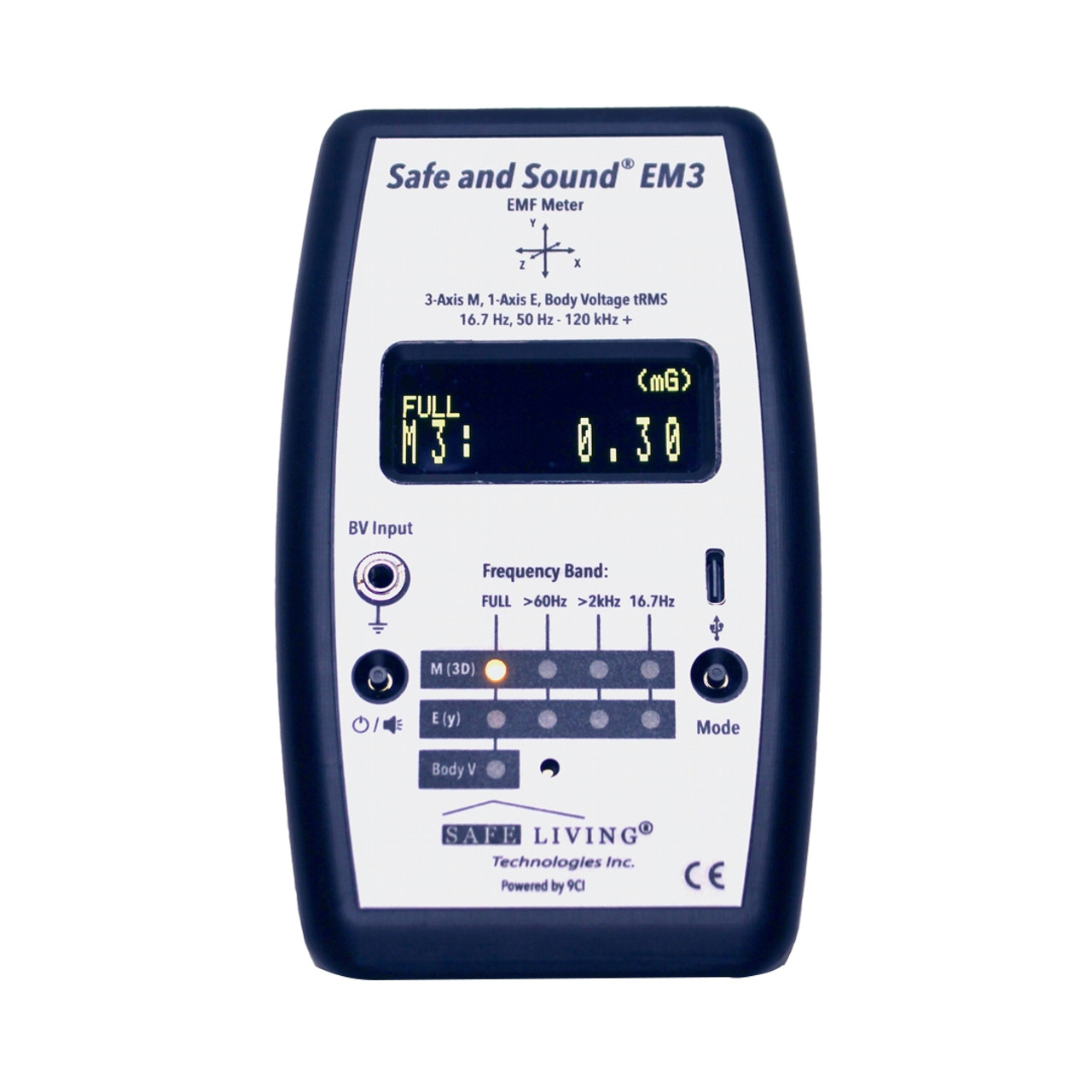
An RF meter turns the abstract into the concrete — you see which rooms and devices drive your exposure. Start with our meter guide.
Add Distance
Intensity falls sharply with distance. Keep phones off the body, move routers away from where you sit and sleep, and never charge a phone by your pillow.
Hardwire Where You Can
A wired connection removes the wireless source entirely. See our guide to hardwiring your home for a low-EMF setup.
Shield Key Rooms
For exposure you cannot remove — a tower nearby, neighbours' Wi-Fi — shield the bedroom and add active protection for the whole home.
🛡️ Don't Rely on "Within Limits"
Measure, Reduce & Protect
Meters, shielding and whole-home protection to take control of your own exposure.
Shop at emf-protection.co.uk →Affiliate disclosure: We earn a small commission on purchases via this link — at no extra cost to you.
Frequently Asked Questions
Are wireless radiation safety limits safe?
A 2026 study concluded current limits are at least 200× too high to protect against cancer risk, because they were designed only to prevent short-term heating and ignore non-thermal effects seen at far lower levels.
Why are current EMF limits considered outdated?
They are based on preventing tissue heating over a short exposure, while thousands of studies now report biological effects well below the heating threshold — effects the thermal-only limits do not account for.
What can I do to reduce my exposure?
Add distance, hardwire where possible, keep phones off the body, shield key rooms, and measure your environment so you can target the biggest sources.