Can EMF Radiation Cause Headaches? What the Research Shows

Headache is the most commonly reported symptom by people who attribute health problems to electromagnetic field exposure. Whether headaches near WiFi routers or after long phone calls are caused by EMF, triggered by stress, or explained by screen use and poor posture is a question that deserves a direct, evidence-based answer rather than dismissal.
Population Studies: The Pattern
Several epidemiological studies have examined headache rates in populations with differential EMF exposure. The consistent finding is that people living closer to mobile base stations, or working in environments with higher measured RF levels, report higher headache rates than matched controls further away. This association has been observed in studies in Spain (Navarro, 2003), Egypt (Abdel-Rassoul, 2007), Austria (Hutter et al., 2006), and Germany (Blettner et al., 2009). The fact that this association appears consistently across independent research groups in different countries strengthens the case that it reflects a real environmental relationship rather than coincidence or reporting bias.
The Hutter et al. (2006) Austrian Study
Hutter et al. (2006) conducted a double-blind cross-over study in which participants lived near either an active or an inactive base station (participants did not know which). During active transmission periods, the high-sensitivity sub-group reported significantly more headaches and concentration difficulties than during inactive periods. Because participants did not know which condition they were in, nocebo effects were substantially controlled for. This provides stronger evidence than self-report surveys that the association is not purely psychological.
Why EMF Headaches Are Often Misattributed
Most people experiencing EMF-related headaches do not initially connect them to their wireless environment. The headaches develop gradually, often over years of increasing wireless exposure, and are typically attributed to stress, screen time, or general tension. The pattern of improvement during technology-free weekends or holidays — often dismissed as 'finally relaxing' — may actually reflect reduced RF exposure as much as reduced stress. The fact that the same individual can simultaneously have stress-related headaches and EMF-related headaches makes attribution difficult without deliberate EMF elimination trials.
🛡 Expert-Selected EMF Protection
Shop Verified EMF Protection Products
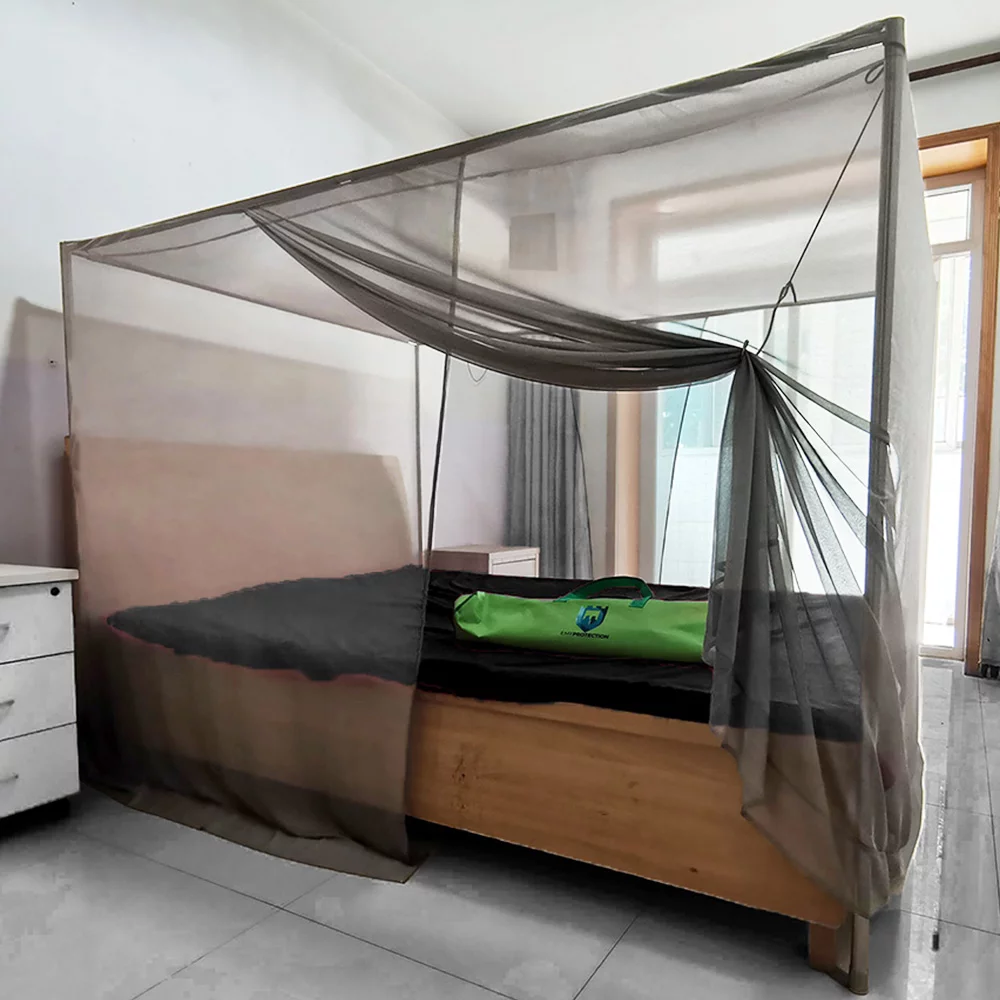
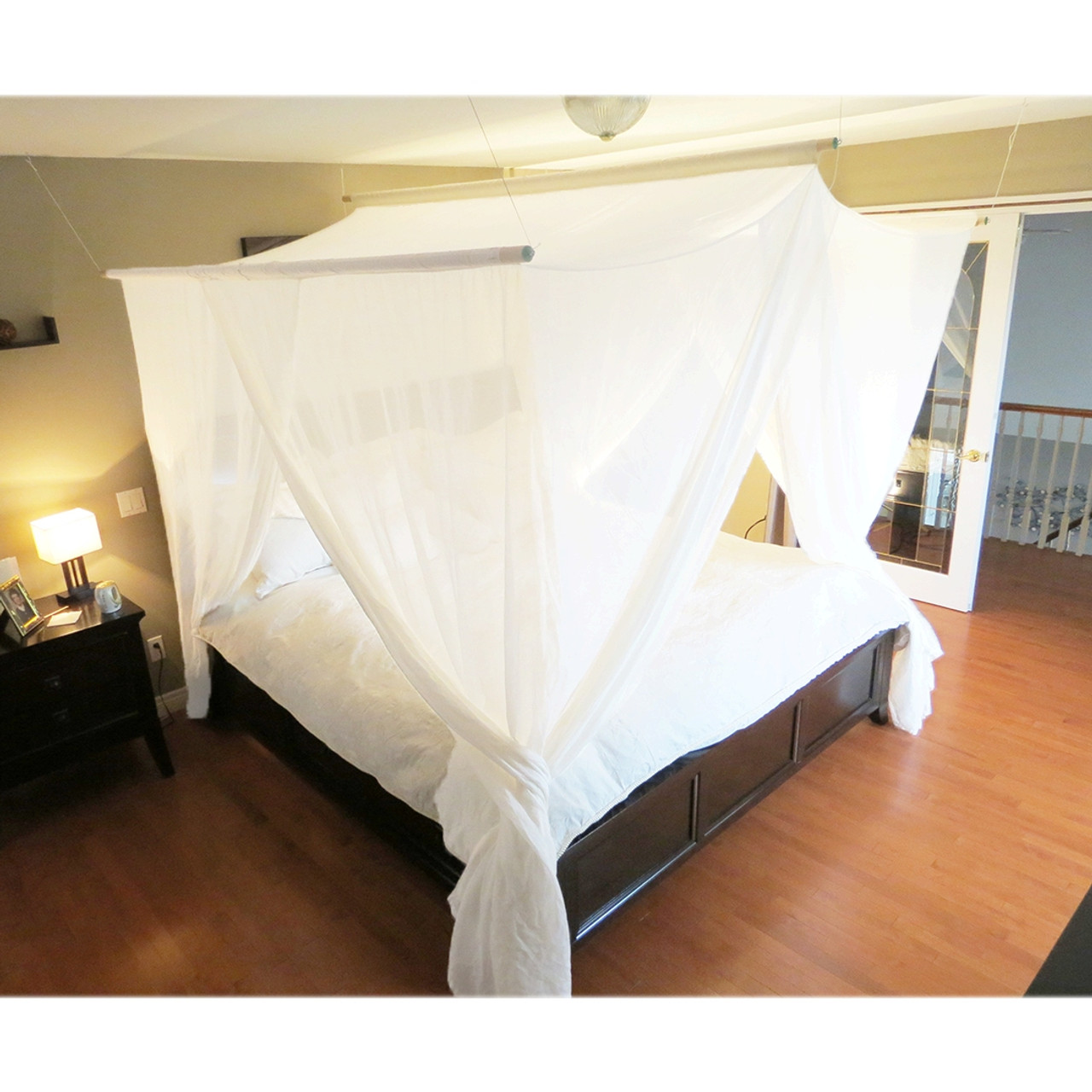
RF meters, shielding fabrics, Blushield devices, bed canopies, grounding products — independently selected.
Related Questions
References
All research cited is from peer-reviewed journals, government agency publications, or formal scientific appeals. This page does not constitute medical advice.
Related Products








Frequently Asked Questions
Yes — headaches are among the most consistently documented symptoms in populations with elevated RF exposure. Navarro et al. (2003) studied residents living near a mobile phone base station in Spain and found that distance from the mast correlated inversely with headache frequency — those living closer reported significantly more frequent headaches than those further away. Abdel-Rassoul et al. (2007) published a cross-sectional study comparing residents near a Cairo mobile base station to a control population, finding significantly higher rates of headaches, memory problems, and sleep disturbance in the exposed group. These are epidemiological associations, not proof of causation, but the pattern across multiple independent studies is consistent.
Several mechanisms have been proposed. The most studied is cortisol dysregulation: EMF exposure has been shown in multiple studies to alter the diurnal cortisol rhythm — the daily cycle of cortisol secretion that governs stress response, inflammation, and pain sensitivity. Elevated cortisol or disrupted cortisol timing is associated with increased headache frequency and severity. A second mechanism involves blood flow changes: studies have documented altered cerebral blood flow regulation under RF exposure, particularly in the frontal and temporal lobes — the regions most frequently reported as the headache location by EMF-sensitive individuals. Calcium channel dysregulation (Pall, 2016) is also proposed as a mechanism for the vascular component of EMF headaches.
They share the same proposed mechanisms but differ in the temporal pattern. Mobile phone headaches typically occur during or shortly after extended phone calls held to the ear — a high-intensity, short-duration exposure at very close range to the temporal lobe. WiFi headaches tend to be described as developing gradually over hours spent in a WiFi environment and peaking in the evening — consistent with a cumulative, lower-intensity exposure from continuous ambient RF. Some EHS sufferers report that their 'WiFi headache' is distinguishable from their 'phone headache' by location: temporal (phone) vs frontal or whole-head (WiFi ambient).
The most informative approach is an elimination trial. Keep a headache diary for 2 weeks noting location, severity, time of onset, and setting (at home, in office, travelling). Then implement a strict EMF reduction period for 1–2 weeks: switch off WiFi and use ethernet exclusively, put phones in aeroplane mode when not in active use, remove DECT phones from headache-frequency rooms. Compare headache frequency, location, and severity between baseline and low-EMF periods. If you see a consistent improvement in the low-EMF period and deterioration when normal EMF environment is restored, this is strong personal evidence of an environmental trigger — though it does not constitute a clinical diagnosis.
The most effective interventions reported by EHS sufferers with EMF-triggered headaches are: (1) removing the primary sources from the immediate environment — particularly routers in adjacent rooms and phones near the head; (2) router nightly timers to ensure the sleep environment is RF-free; (3) wired internet connections throughout the home; (4) if in an office environment, requesting that the router not be positioned in the same room as the workstation; (5) antioxidant support — melatonin (also addresses the sleep disruption component), vitamin C, and alpha-lipoic acid are used by practitioners treating EHS. Note that these are symptom management strategies; source reduction is the primary intervention.