EMF & Anxiety: Can Electromagnetic Fields Affect Mental Health?
Anxiety has risen sharply in exactly the decades our environment has filled with wireless signals — and while that's far from proof of cause, it's led many people to ask a reasonable question: could constant EMF exposure be quietly winding up our nervous systems? The idea isn't as fringe as it sounds. There are plausible biological pathways by which electromagnetic fields could influence arousal, sleep and mood. This guide looks honestly at what the research does and doesn't show, the proposed mechanisms, how to work out whether EMF is a factor for you, and the practical, low-risk steps that help — always alongside proper mental-health care.
Important: This Isn't Medical Advice
Anxiety is a real, treatable medical condition with many causes. This article is educational only. If you're struggling with anxiety, please speak with a qualified healthcare professional — EMF reduction is a complementary lifestyle step, not a substitute for proper care.
📋 In This Article
EMF & Anxiety: The Evidence
Research directly linking EMF to anxiety is limited and mixed, but several threads are suggestive. Surveys of people who describe EMF sensitivity consistently list anxiety, restlessness and irritability among their symptoms. Some experimental studies report shifts in brain activity and autonomic (nervous-system) balance during exposure. And there's an indirect but powerful route: EMF disrupts sleep for many people, and disrupted sleep is one of the strongest drivers of anxiety there is. None of this is conclusive — but it's enough that reducing exposure is a sensible thing to try.
🧭 Personalised Guidance
Book an EMF Consultation
Tailored help identifying and reducing the exposures around you.
Plausible Mechanisms
Several mechanisms from the wider EMF literature could, in principle, touch mood and anxiety:
- Voltage-gated calcium channels — EMF may increase calcium influx in nerve cells, altering neural excitability. See the ion-channel mechanism.
- Oxidative stress in brain tissue — see EMF and oxidative stress.
- Melatonin & sleep disruption — see EMF and melatonin.
- Heightened sympathetic ("fight or flight") activity — a nervous system kept subtly on alert.
The Sleep Connection
If there's one route worth taking seriously, it's sleep. EMF in the bedroom can fragment sleep and suppress melatonin; poor sleep then amplifies anxiety the next day; anxious people sleep worse — a self-reinforcing loop. Breaking it at the EMF end is easy and free, and often the first thing sensitive people notice improving. Our bedroom EMF guide is the practical starting point.
How to Tell If EMF Is a Factor
Keep a Symptom & Exposure Diary
Log anxiety levels and sleep alongside what you were doing and where. Patterns — worse near strong Wi-Fi, better away from it — often show quickly.
Run a Low-EMF Bedroom Trial
For two weeks, sleep with Wi-Fi off, phone in airplane mode across the room, and devices out. Note any change in calm and sleep.
Reintroduce and Compare
Bring the exposure back and see if symptoms return. A consistent on/off pattern is your strongest personal signal.
Steps That May Help
- Create a low-EMF sleep space — the single highest-value step for calm and recovery.
- Turn off Wi-Fi at night and keep the phone off your body — see our hardwiring guide.
- Ground outdoors — barefoot time supports parasympathetic ("rest and digest") activity; see our grounding guide.
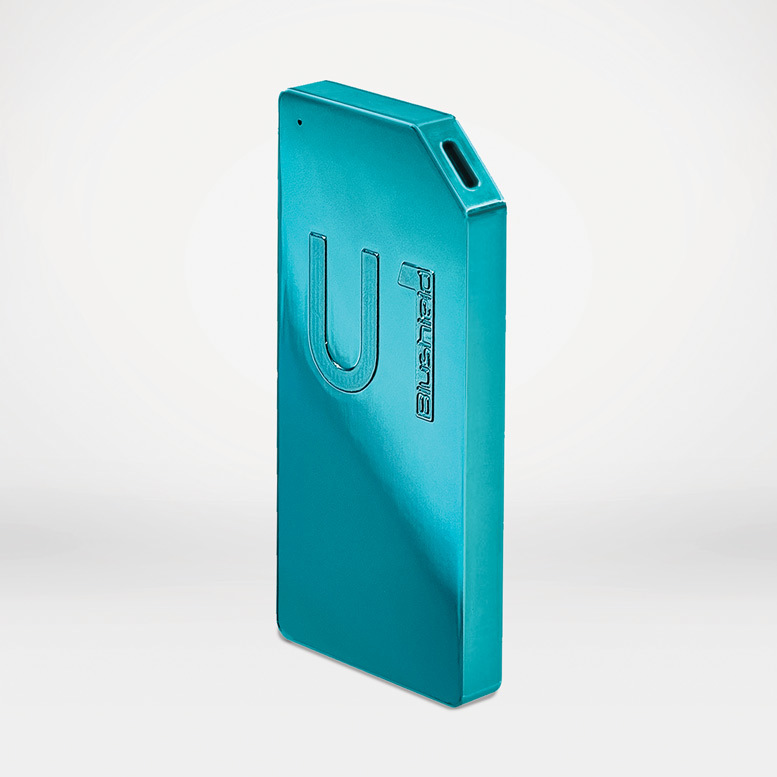
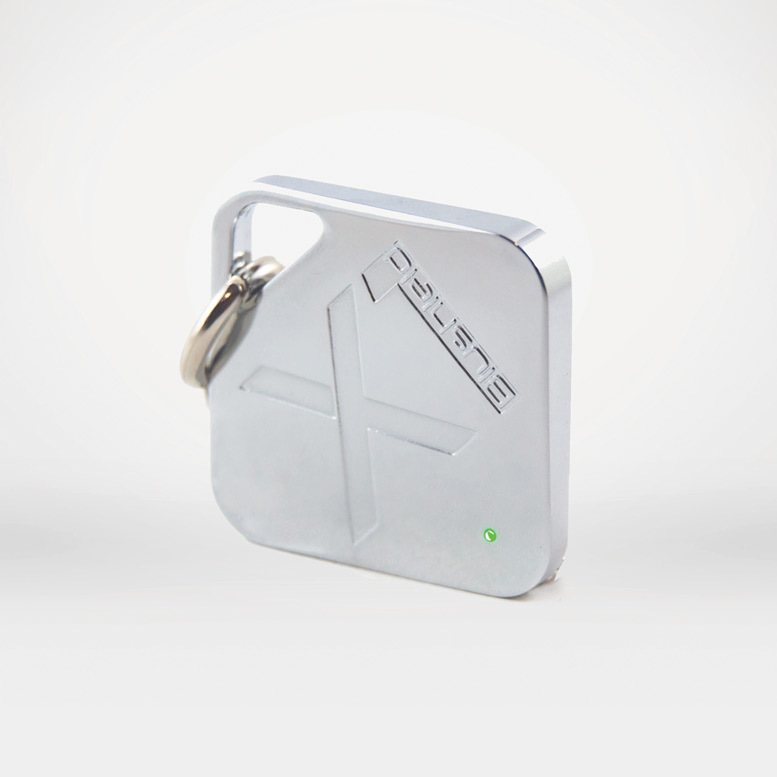
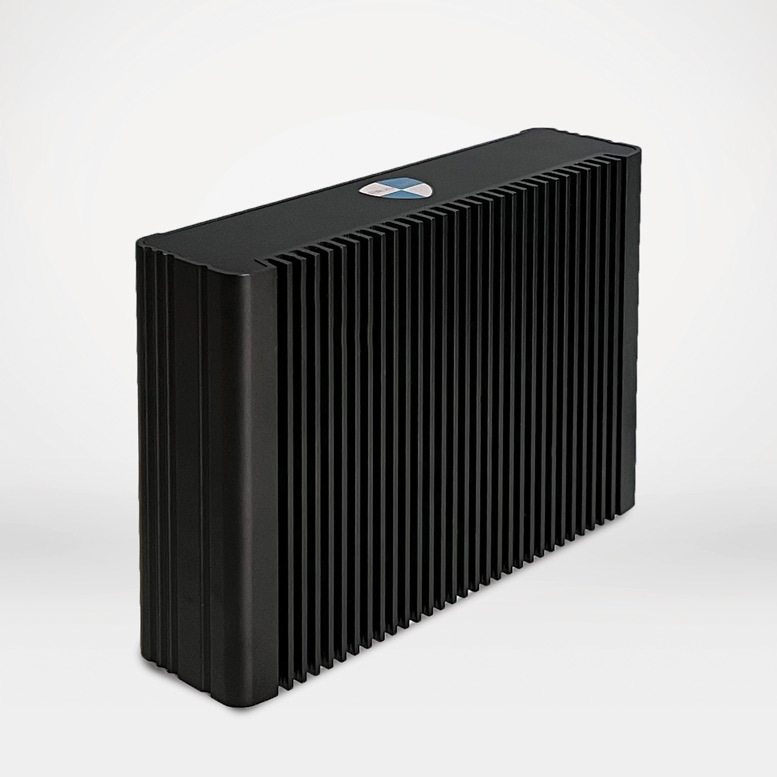
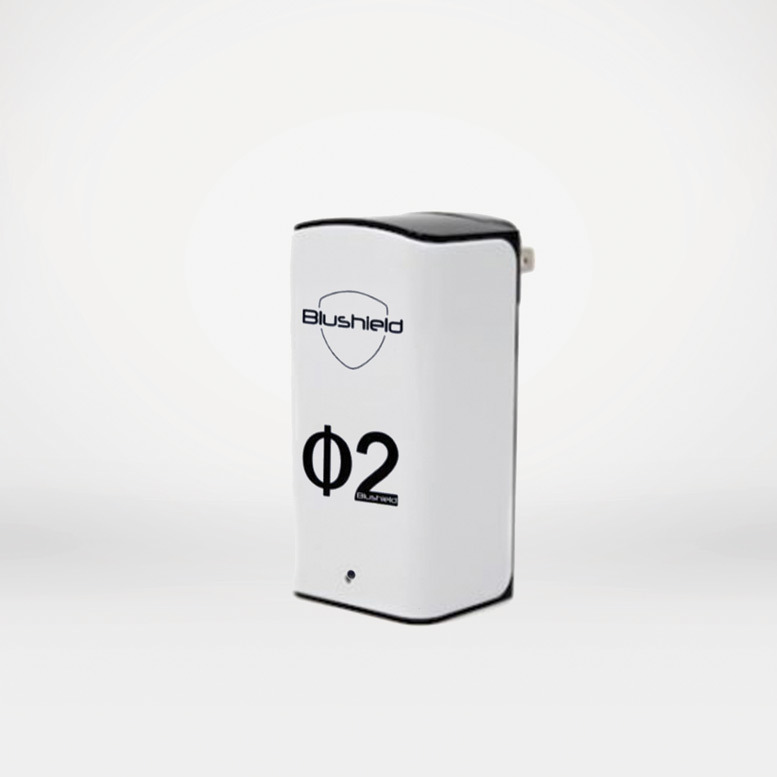
- Consider whole-home field protection — many sensitive people report a calmer baseline; see can Blushield help.
- Keep up your professional care — these steps complement therapy and medical support, never replace them.
🌿 A Calmer Baseline
Explore Protection & Expert Advice
Personal and whole-home protection — or a consultation for a plan tailored to you.
Book a Consultation → Explore Blushield →Frequently Asked Questions
Can EMF cause anxiety?
Some research suggests EMF can raise nervous-system arousal and disrupt sleep, both of which can feed anxiety in sensitive people. Evidence is developing and anxiety has many causes — see a professional.
How might EMF affect mental health?
Via calcium-channel effects, oxidative stress, melatonin/sleep disruption and heightened sympathetic activity — plausible but still emerging science.
How do I know if EMF is a factor for me?
Keep a symptom/exposure diary and run a low-EMF bedroom trial; a consistent ease-when-reduced pattern points to EMF. Rule out medical/psychological causes first.
What helps?
A low-EMF sleep space, Wi-Fi off at night, phone off the body, grounding outdoors, and whole-home protection — alongside professional care.