EMF Protection Hoodies & Clothing: How They Work and Whether They're Worth It

EMF protection hoodies and clothing represent one of the more scientifically grounded segments of the personal protection market. Unlike stickers and pendants with unverifiable claims, clothing made from silver-fibre or copper-weave fabrics uses a mechanism — electromagnetic shielding by conductive mesh — that is well-established in physics and engineering, and directly testable with an RF meter.
The Physics: How Conductive Fabric Shields RF
A Faraday cage — a closed conductive enclosure — blocks electromagnetic fields by redistributing induced charges across the surface so that the interior field is cancelled. Wearable shielding fabrics apply this principle in a flexible, distributed form: conductive fibres woven through the fabric create a mesh that attenuates incoming RF radiation. The effectiveness depends on the mesh density (how closely the fibres are woven), the conductivity of the fibres (silver has the highest electrical conductivity of all metals), and the frequency of the incident radiation.
At 2.4GHz (WiFi / Bluetooth), high-quality silver-fibre fabrics achieve attenuation of 20–35dB — reducing incident field strength to 2–10% of the unshielded value. At lower frequencies (4G, 700MHz–2.1GHz), attenuation is typically higher. At higher frequencies (5G sub-6GHz, 3.4–3.8GHz), attenuation is slightly lower but still significant for quality fabrics.
What Good Attenuation Data Looks Like
A credible product will present attenuation data as: dB reduction at specified frequencies, measured by an accredited laboratory using a standardised test method. Example: "30dB attenuation at 1GHz, 28dB at 2.4GHz, 22dB at 5GHz — measured per ASTM D4935." Be cautious of: percentage reduction claims without dB figures; single-frequency test data only; self-tested results without third-party certification; or claims expressed as "blocks X% of radiation" without specifying frequency.
Practical Scenarios: When EMF Clothing Makes Sense
EMF clothing is most valuable in scenarios where you cannot control the RF environment. Commuting on public transport surrounded by other people's active phones; working in an open-plan office with multiple routers and hotspots; living in an urban flat where a 5G small cell is installed outside the bedroom window. In all of these situations, wired connections and source removal are not options — shielding clothing provides a personal protective layer that travels with you.
For domestic use, clothing is a second-line measure — implement the free source-reduction steps first (router timer, wired connections, phone out of bedroom), then consider clothing for residual exposure scenarios or for particularly sensitive individuals.
Head Protection: The Highest-Priority Body Area
The brain is the organ most studied in relation to RF radiation health effects — glioma risk, blood-brain barrier permeability, neurological changes. Several studies show that the head receives the highest RF absorption from mobile phones held in use position. Silver-fibre beanies, head caps, and hat liners designed for EMF protection are the garment category most relevant to this research concern. They are also among the most practical to wear during sleep, where nocturnal RF exposure from external sources is otherwise unavoidable.
🛡 Expert-Selected EMF Protection
Shop Verified EMF Protection Products
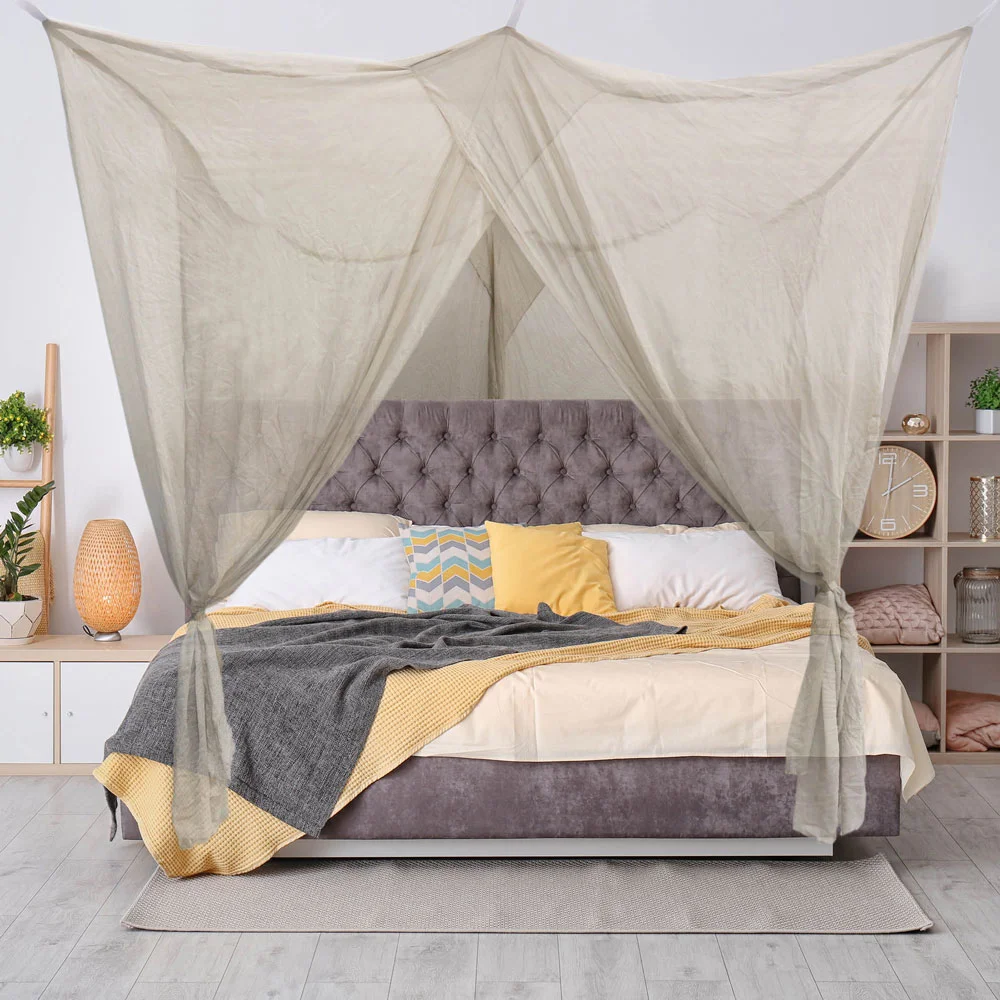
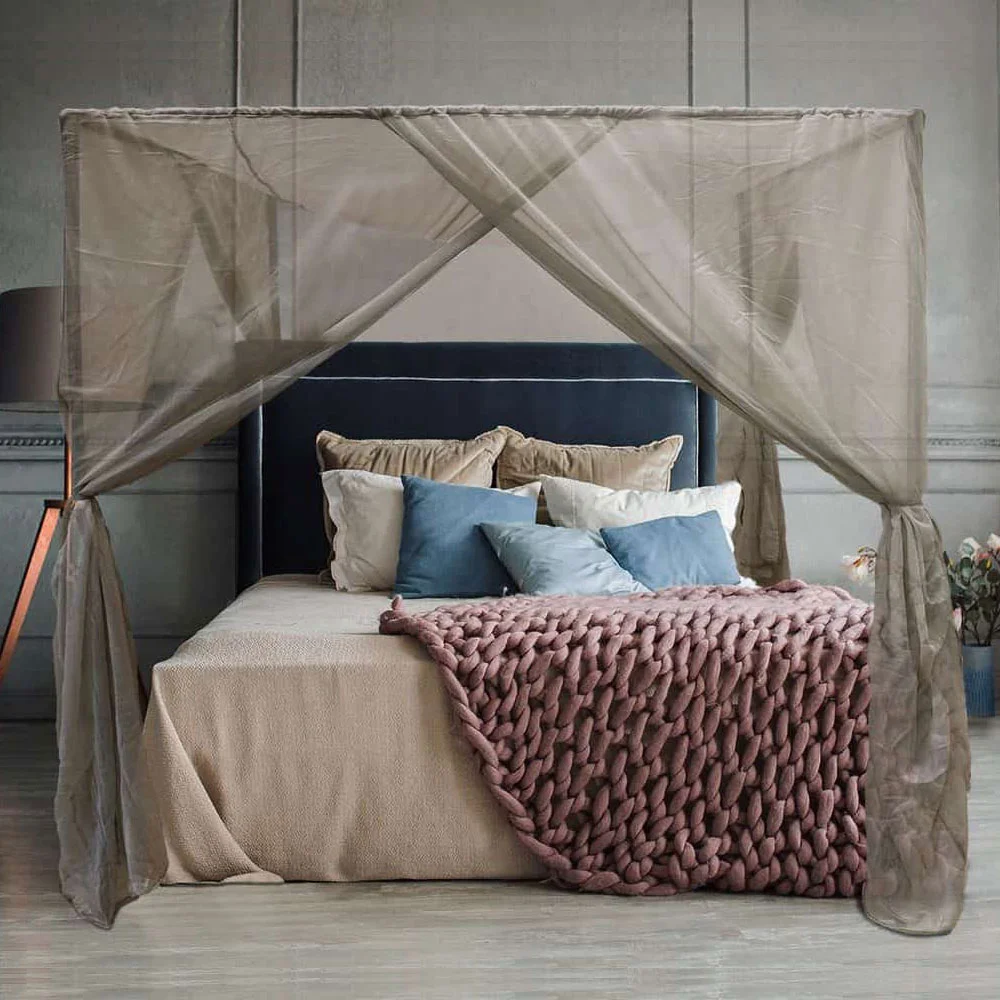
RF meters, shielding fabrics, Blushield devices, bed canopies, grounding products — all independently selected.
Related Questions
References
All research cited is from peer-reviewed journals, government agency publications, or formal scientific appeals. This page does not constitute medical advice. For health decisions, consult a qualified practitioner familiar with environmental medicine.
Related Products

Frequently Asked Questions
EMF protection hoodies, hats, shirts, and other garments are made from or lined with fabrics that incorporate conductive fibres — typically silver, copper, or stainless steel micro-filaments woven into the base textile. These conductive fibres create a distributed Faraday cage effect: incoming electromagnetic waves induce currents in the conductive mesh, which dissipate the energy rather than allowing it to pass through to the body. The attenuation achieved depends on the density and conductivity of the conductive weave and the frequency of the radiation. At 2.4GHz (WiFi), high-quality silver-fibre fabrics typically achieve 15–35dB attenuation — reducing field strength to between 2% and 18% of incident levels.
Yes — this is one of the most important tests to run before or after purchase. Place a transmitting device (a phone on a call, or near a known RF source) and an RF meter between the device and the garment. Measure the field level without the garment in the path, then with the garment held flat between the source and the meter. A genuine shielding garment will produce a measurably lower reading with the fabric in place. Reputable manufacturers publish independent attenuation test data, typically expressed in dB at specific frequencies. Any brand unwilling to share independent test data should be approached with caution.
EMF protection hoodies and head garments are most practical for: (1) people with electromagnetic hypersensitivity (EHS) who need personal protection in environments they cannot control (offices, public spaces, travel); (2) pregnancy — several maternity garments use shielding fabric to protect the abdomen during commuting or office work; (3) sleep — some people use silver-fibre beanies or head caps to reduce RF absorption at the head during sleep, particularly when external sources cannot be eliminated; (4) high-RF work environments. They are less useful as a substitute for source reduction — always reduce sources first and use shielding clothing as a supplementary measure.
Silver-fibre fabrics require specific care to maintain their shielding properties. Key rules: (1) Wash in cold or warm water only — hot water and high-heat drying degrades the silver coating; (2) use mild detergent without bleach or fabric softener — these attack the silver fibre; (3) avoid tumble drying where possible — air dry flat; (4) do not iron directly on the silver-fibre areas; (5) wash separately from rough fabrics that may abrade the conductive weave. With correct care, quality silver-fibre garments maintain their shielding effectiveness for several years. Many manufacturers recommend re-testing attenuation periodically to confirm the fabric has not degraded.
Reputable EMF clothing brands publish independent attenuation test certificates and specify the frequencies tested, the test methodology, and the achieved dB attenuation. Brands with publicly available test data include Naturell (Swedish brand widely used in Scandinavian healthcare settings), Swiss Shield, and several specialist EMF protection retailers. When evaluating a brand: look for test data from an accredited third-party lab (not self-tested); confirm the dB rating is measured at the frequencies relevant to your concern (2.4GHz for WiFi, 700MHz–2.6GHz for 4G, 3.4–3.8GHz for 5G); and check that the attenuation holds across the full garment including seams.