EMF Bed Canopies for Sleeping: How They Work, What to Buy, and How to Install

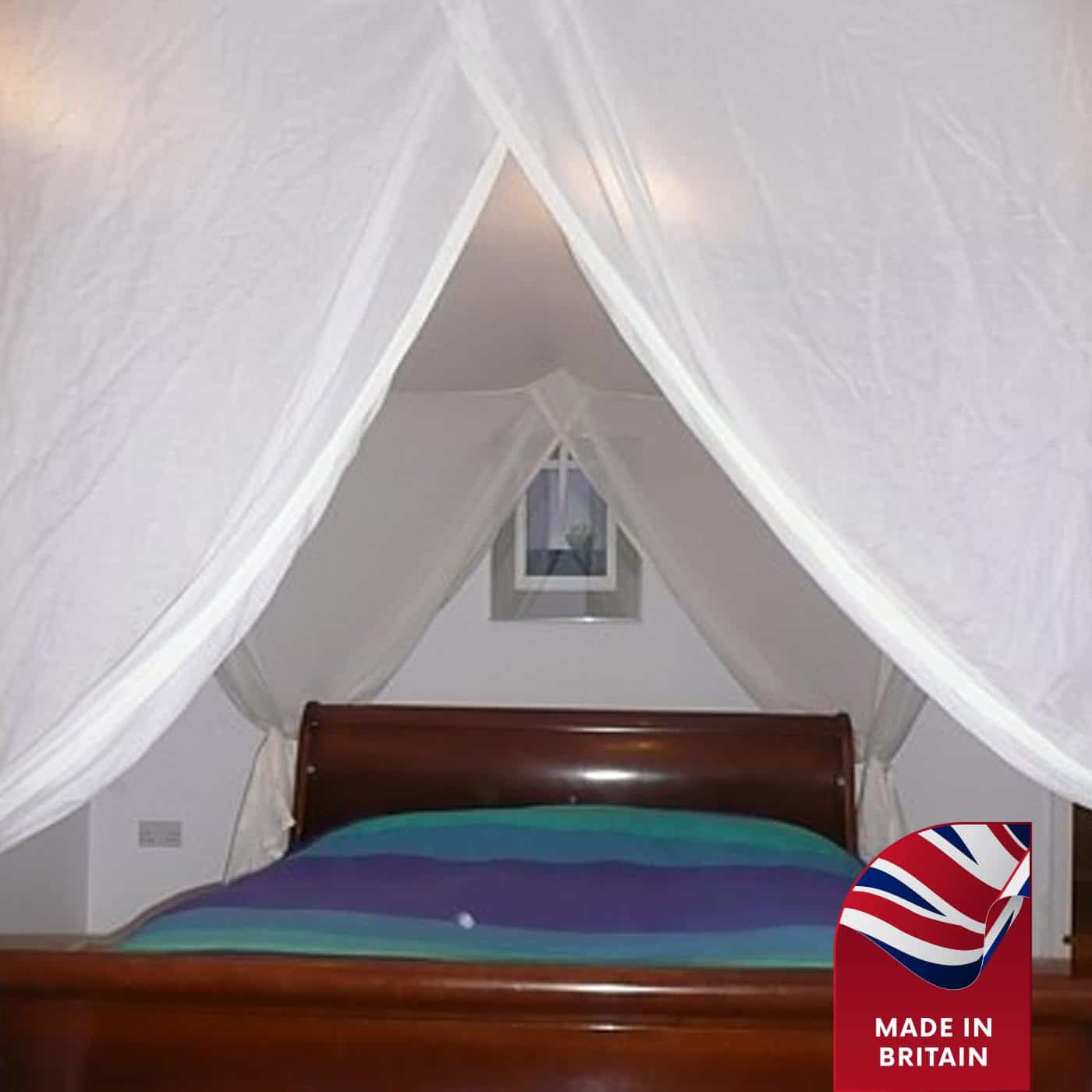
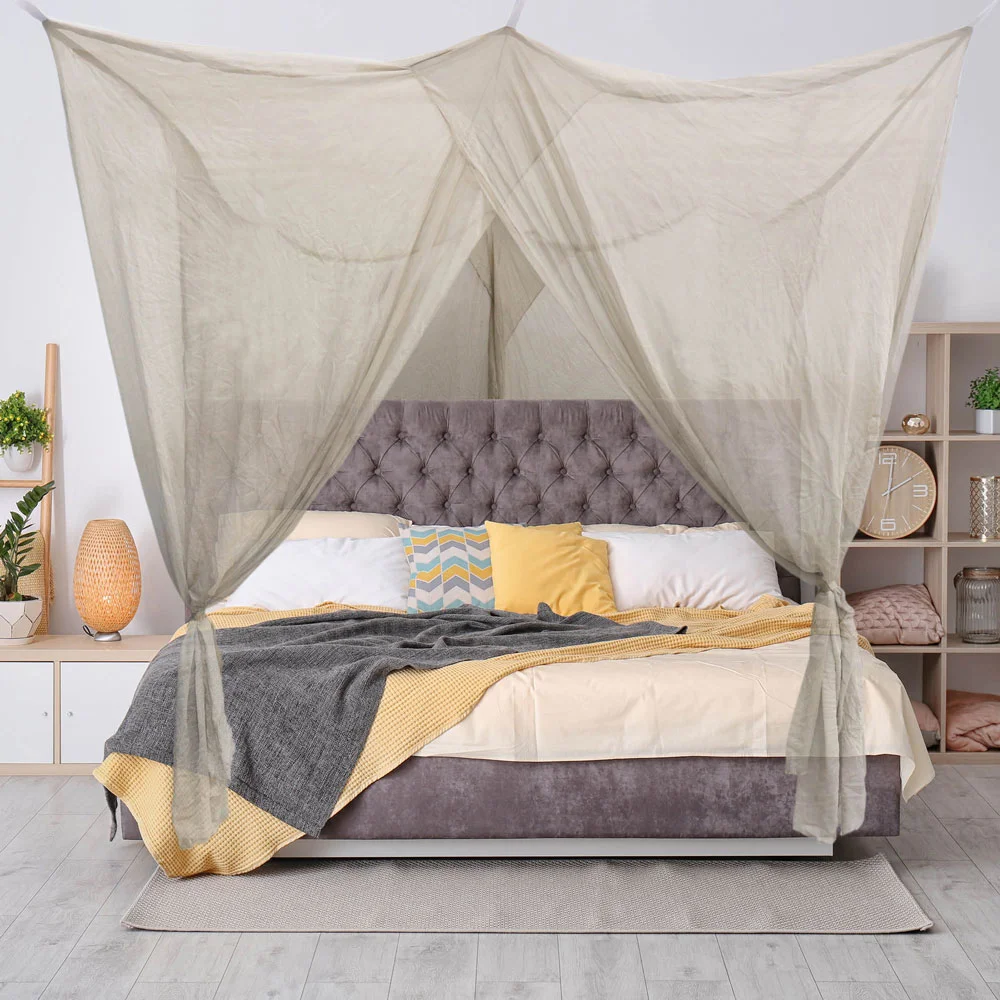
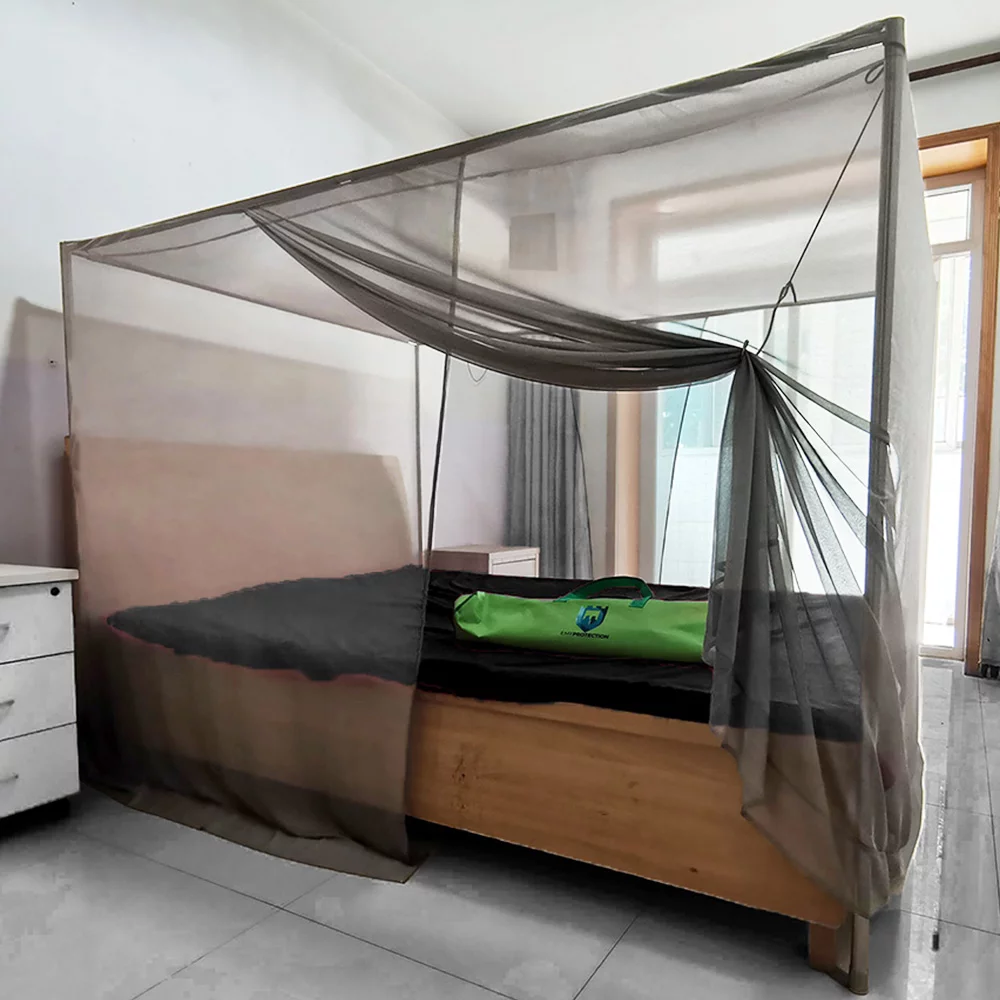
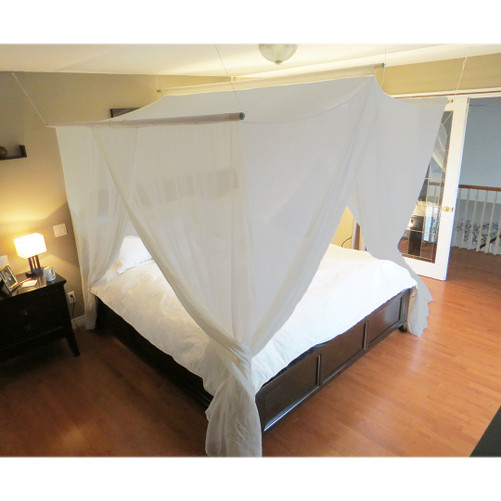
An EMF bed canopy is one of the most effective tools for creating a low-RF sleeping environment — particularly when external RF sources cannot be controlled. Unlike source-reduction measures (which address transmitters you own), a canopy protects against neighbours' WiFi, street-level 5G small cells, and mobile mast coverage that enters your bedroom from outside, regardless of your own technology choices.
When a Canopy Is the Right Solution
Not everyone needs an EMF canopy. The first step is always source reduction: router timer, wired connections, smart meter opt-out. For many households, these steps are sufficient to achieve Building Biology sleeping area thresholds. A canopy becomes the right tool when:
- You live in a densely networked urban area with multiple neighbours' WiFi signals detectable in your bedroom
- There is a 5G small cell, mobile mast, or base station within 200 metres of your bedroom window
- A smart meter cannot be relocated from a bedroom wall
- You have EHS and need to achieve very low RF levels for sleep
- You are pregnant and want maximum protection during sleep
How Attenuation Works in Practice
A 30dB canopy reduces RF field strength to approximately 3% of the unshielded level. If your bedroom measures 500 µW/m² from external sources (well into Building Biology 'extreme anomaly' territory), a 30dB canopy reduces that to approximately 15 µW/m² inside — at the top of the 'severe anomaly' band. An additional 10dB improvement from a higher-quality fabric would bring it down to 1.5 µW/m² — within the 'slight anomaly' range. For context, Building Biology recommends below 0.1 µW/m² for 'no anomaly' sleeping conditions.
The Most Common Installation Mistake
The most frequently observed reason for a canopy underperforming is an unsealed base. RF radiation enters from below the canopy through the gap between the canopy edge and the bed or floor. Measure RF inside the canopy at different heights — if readings are higher near the bed than near the top of the canopy, the base is the leak point. Solutions: extend the canopy to the floor and tuck under the mattress; use a shielding floor mat or sheet under the bed; or use a fitted shielding sheet on the mattress inside the canopy to close the base gap.
Fabric Quality: What the Numbers Mean
| Fabric Grade | Typical Attenuation at 1GHz | Inside/Outside Ratio | Suitable For |
|---|---|---|---|
| Entry-level mesh | 10–15 dB | ~10–30% of outside | Moderate urban RF |
| Mid-grade silver-fibre | 20–25 dB | ~1–3% of outside | Most residential scenarios |
| Professional grade (Swiss Shield Naturell) | 35–40 dB | ~0.01–0.03% of outside | EHS, high-exposure locations |
🛡 Expert-Selected EMF Protection
Shop Verified EMF Protection Products
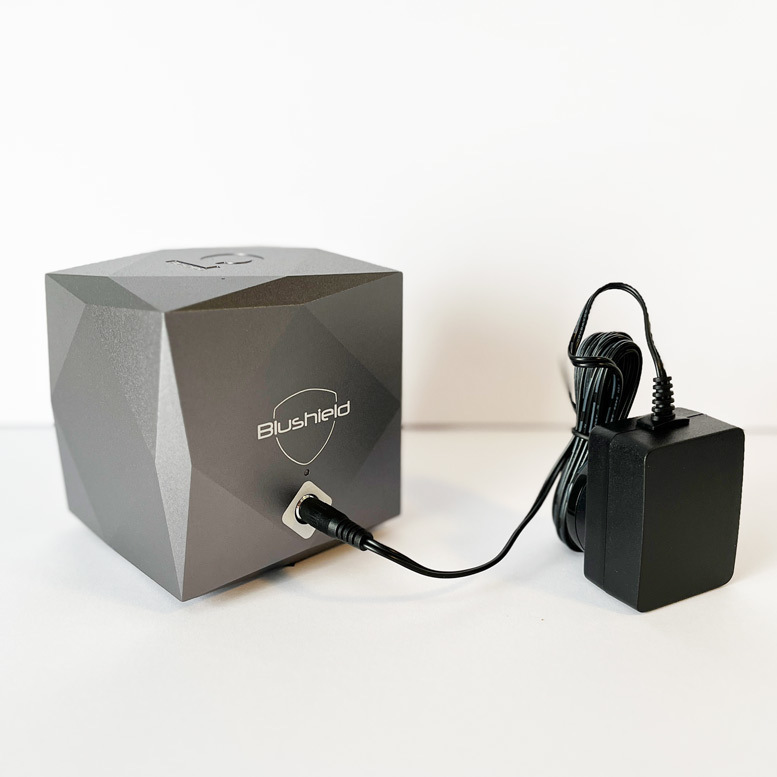
RF meters, shielding fabrics, Blushield devices, bed canopies, grounding products — all independently selected.
Related Questions
References
All research cited is from peer-reviewed journals, government agency publications, or formal scientific appeals. This page does not constitute medical advice. For health decisions, consult a qualified practitioner familiar with environmental medicine.
Related Products
Frequently Asked Questions
High-quality EMF bed canopies made from fine silver-fibre or copper-weave fabric achieve 20–40dB attenuation at 2.4GHz — reducing field strength to between 1% and 10% of unshielded levels. Swiss Shield's Naturell fabric, one of the industry gold standards, achieves 35–40dB at 1GHz. Less expensive canopies using coarser mesh may achieve only 10–15dB. The key variables are the fabric's mesh density, the conductivity of the fibres, and — critically — whether the canopy is correctly installed with no RF leakage at the base (where it meets the bed or floor).
This depends on the product design and the type of EMF you are shielding against. For RF radiation protection, grounding is generally not required — the canopy works by reflecting and absorbing RF waves rather than conducting them to earth. For electric field shielding, some canopy fabrics are designed to be grounded, which significantly improves their effectiveness against ELF electric fields from mains wiring. Check the manufacturer's instructions — incorrectly grounding (or not grounding when required) can reduce effectiveness or, in the case of products not designed for grounding, create unexpected effects.
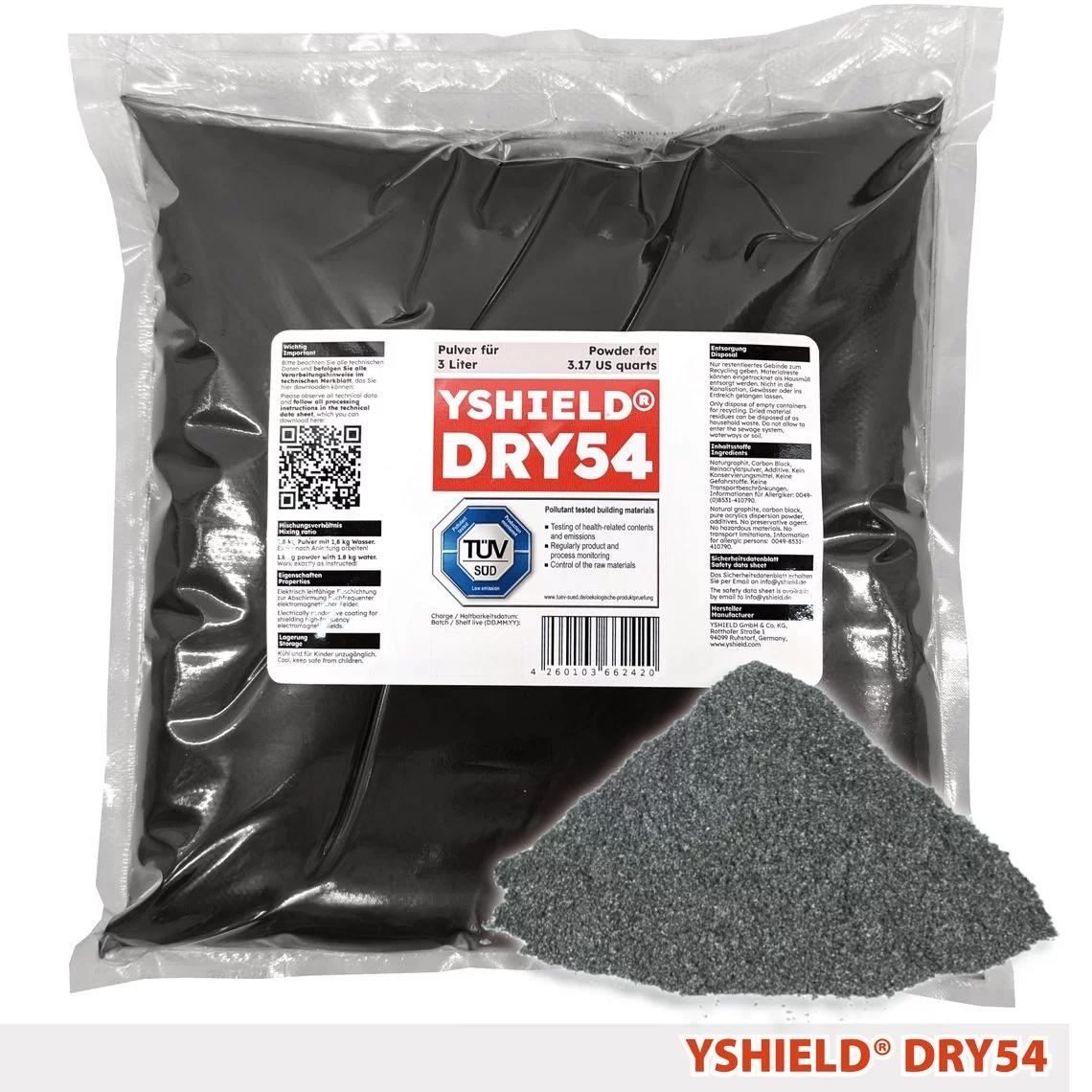
The most respected canopy fabric brands used in professional Building Biology assessments are: Swiss Shield (manufactures Naturell, New Daylite, and other fabrics — highest published attenuation data); Yshield (German manufacturer, fabrics used in professional shielding contexts); and Lessemf (US supplier offering several fabric grades). Finished canopy products built from these fabrics include offerings from several specialist EMF retailers. When comparing products, always request the independent test certificate showing dB attenuation at relevant frequencies. Do not rely solely on marketing claims.
No canopy eliminates all EMF — and attempting to make one perfectly sealed would compromise ventilation and create impractical constraints. What a correctly installed canopy does is provide a significant reduction in RF from external sources: neighbours' WiFi through walls, external mobile masts, smart meters. It does not address ELF magnetic fields from mains wiring or ELF electric fields from bedside lamps and chargers — these require separate assessment. A canopy also requires that no RF-emitting devices are brought inside it — a phone inside the canopy would irradiate the interior space at close range.
DIY canopies using purchased shielding fabric are a practical option and used by many Building Biology practitioners. The key requirements are: (1) use fabric with published attenuation data at your frequencies of concern; (2) ensure adequate overlap or sealed seams at joins — gaps in the fabric are RF entry points; (3) address the base carefully — the canopy must reach the mattress with no gap around the perimeter, or RF enters from below (use a shielding sheet or floor pad to close the base); (4) verify the finished installation with an RF meter — compare readings outside and inside the canopy. Building Biology practitioners typically expect at least 10× reduction (10dB) as a minimum practical standard for a sleeping area canopy.