Does EMF Shielding Paint Work? Attenuation, Products & How to Apply

EMF shielding paint is one of the most cost-effective tools for reducing RF radiation entering a room from external sources — a mobile mast, a 5G small cell, or a neighbour's router through a shared wall. Unlike portable shielding products, paint provides permanent, whole-wall protection once correctly applied and grounded.
How Shielding Paint Works
EMF shielding paint typically uses a carbon-based formulation — graphite or carbon black particles suspended in a water-based binder — to create a continuous conductive layer on the wall surface. Conductive layers attenuate electromagnetic waves through two mechanisms: reflection (the conductive surface reflects incident RF like a partial mirror) and absorption (some energy is absorbed and dissipated as heat within the layer). The combination of both effects in a grounded conductive layer produces the quoted attenuation figures.
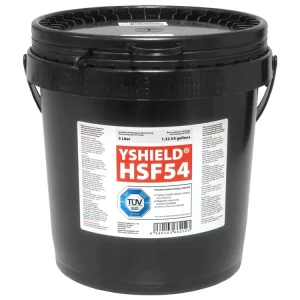
The most widely used professional-grade product is Yshield HSF54, a German-manufactured graphite paint with published third-party test data. At 1GHz it achieves approximately 36–38dB per coat on plasterboard — reducing RF to 0.015% of incident level. At 2.4GHz the attenuation is slightly lower, typically 30–35dB per coat.
The Essential Before-and-After Test
Always measure RF levels before painting to confirm the source location and direction. Measure after painting (before overcoating and before grounding) to confirm the paint is achieving attenuation. Measure again after grounding. Use a directional measurement approach — point the meter at the painted wall and compare readings with the meter pointing toward the painted surface versus away from it. The final test is the most important: compare readings inside the room with the painted wall installed versus baseline. If readings are not significantly lower than baseline, check for gaps in coverage, ungrounded areas, or RF entering from an unprotected wall or window.
When Shielding Paint Is and Is Not Worth It
Shielding paint is worth considering when: you have measured high RF levels entering from a specific wall or external source; the source is fixed (a mobile mast, an installed smart meter, a permanently positioned router on the other side of a shared wall); and you cannot address the source directly. It is not worth applying without measuring first — you may be treating the wrong surface. It is also not a substitute for source reduction steps that cost nothing.
Cost guide: Yshield HSF54 covers approximately 5–6m² per litre at single coat. For a standard bedroom wall (say, 8m²), expect to use 1.5–2 litres per coat, two coats recommended. Total product cost approximately £80–140 depending on current pricing, plus grounding materials and decorator supplies.
🛡 Expert-Selected EMF Protection
Shop Verified EMF Protection Products
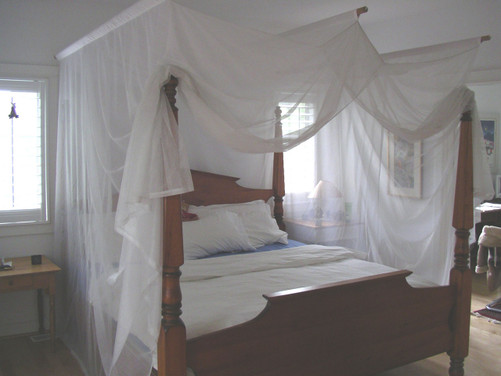
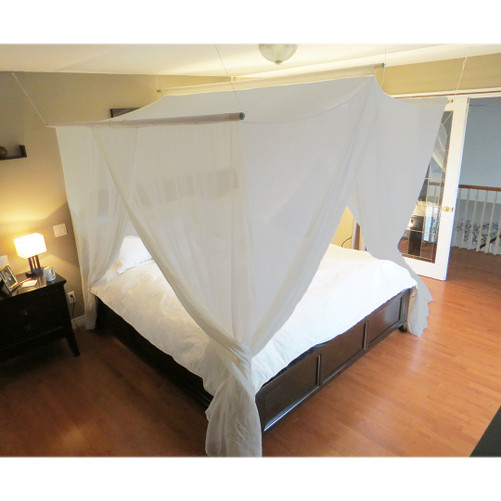
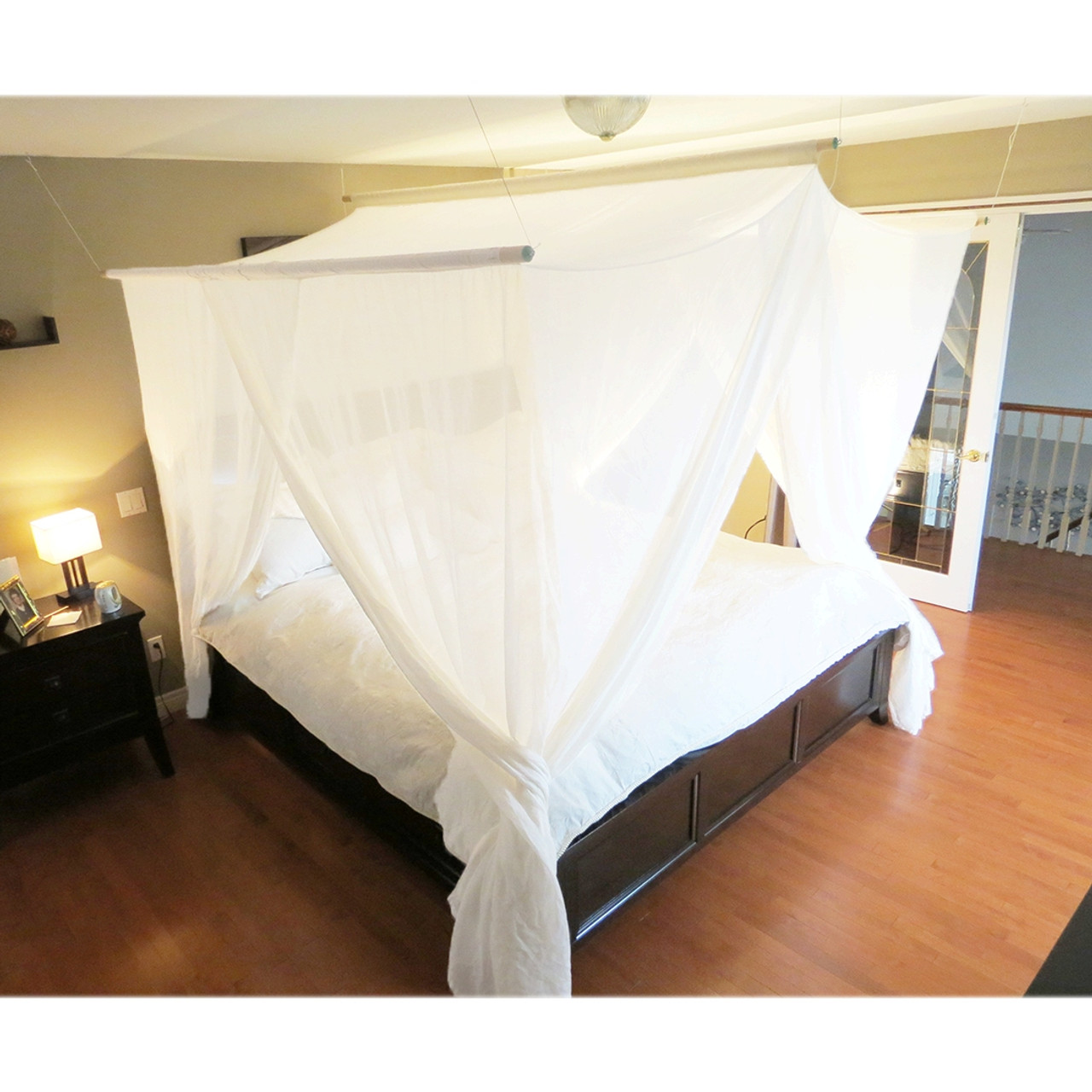
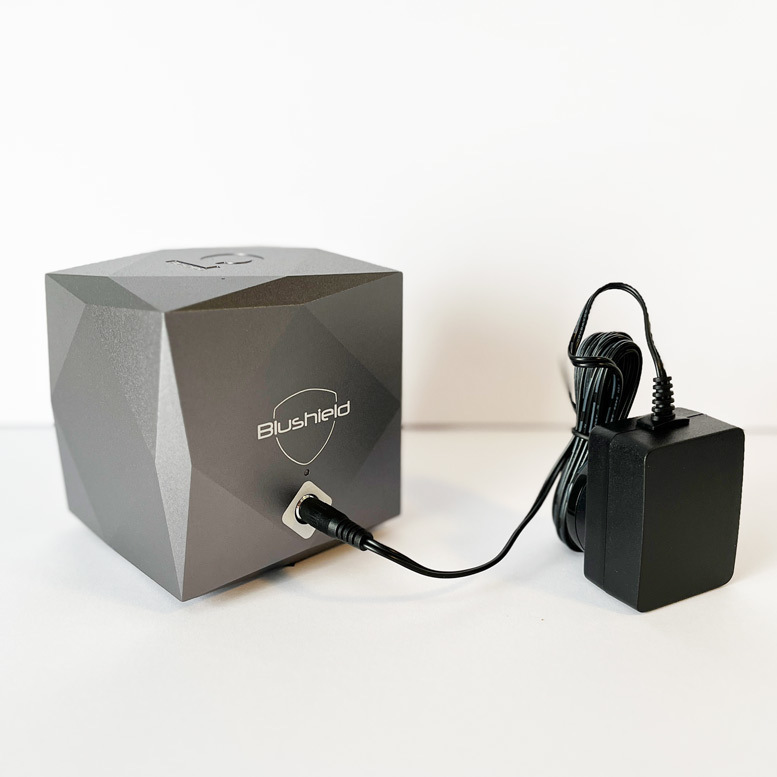
RF meters, shielding fabrics, Blushield devices, bed canopies, grounding products — all independently selected.
Related Questions
References
All research cited is from peer-reviewed journals, government agency publications, or formal scientific appeals. This page does not constitute medical advice. For health decisions, consult a qualified practitioner familiar with environmental medicine.
Related Products



Frequently Asked Questions
Quality EMF shielding paints — primarily carbon-based conductive formulations like Yshield HSF54 or similar — achieve 10–35dB attenuation per coat at 2.4GHz. A single coat of Yshield HSF54 on plasterboard achieves approximately 25–35dB (reducing RF to 0.03–3% of incident level). Two coats improve this further. The attenuation is frequency-dependent: lower-frequency RF (900MHz, 4G at 700MHz) is attenuated more easily than higher-frequency 5G (3.4–3.8GHz). Published test data from the manufacturer should be consulted for the specific frequencies relevant to your situation.
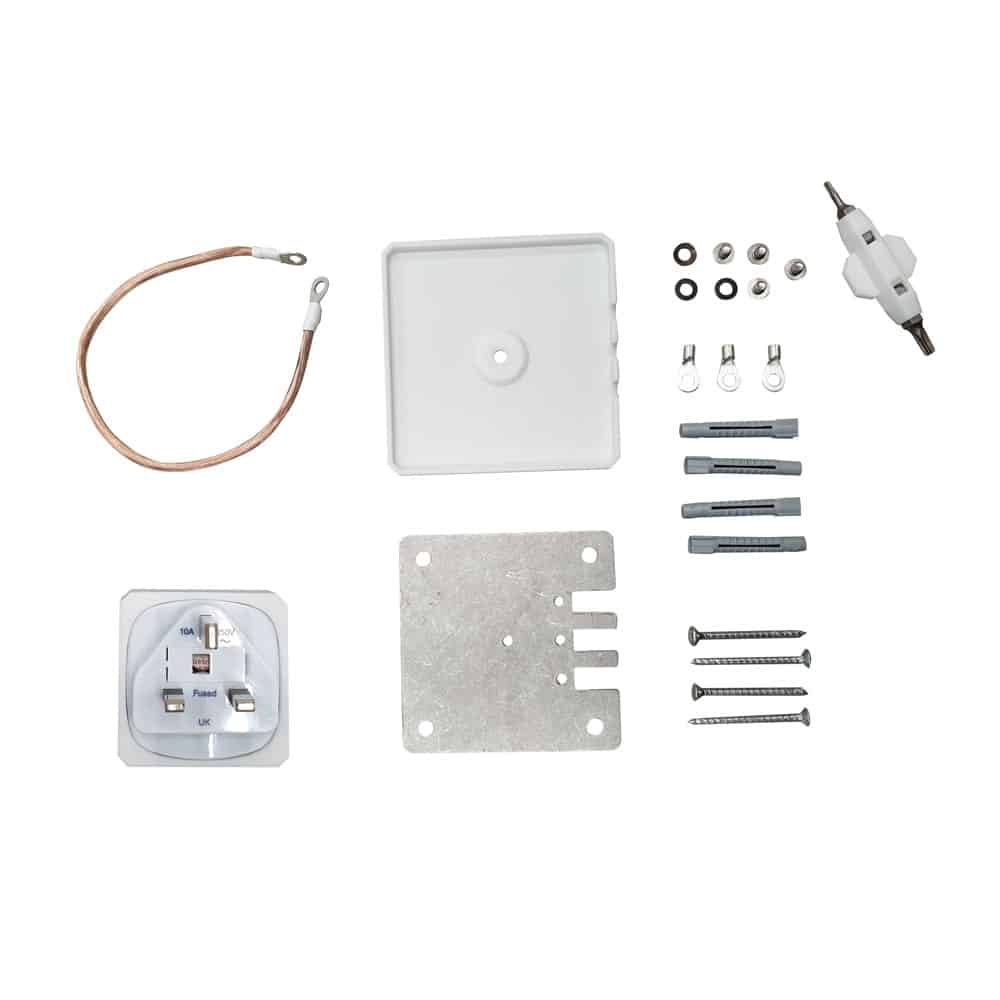
Yes — grounding is essential for EMF shielding paint to function correctly as an electric field shield. Without grounding, a conductive layer on a wall can reflect RF radiation but may also accumulate induced charge, potentially making the painted surface a source of ELF electric fields. Grounding is achieved by connecting the painted surface to the building's earth connection using a copper strip and earth lead. Some paint formulations are sold with grounding kits. If you are not experienced with electrical grounding, consult a qualified electrician. Incorrectly grounded or ungrounded shielding paint in a bedroom can worsen the electrical field environment even while improving RF shielding.
Paint the walls facing the primary external RF source. The first step is measuring with an RF meter to identify which walls have the highest incident field from external sources. Typically: the wall facing a mobile mast or 5G small cell; the wall shared with a neighbour whose router is on the other side; the external wall facing the street in areas with dense 5G/4G infrastructure. There is no benefit to painting all four walls unless all four have external RF sources — and painting all walls without proper grounding of the entire surface creates a more complex installation. Identify the primary source direction first.
Yes — most EMF shielding paints are designed to be overcoated with standard interior paint once the shielding layer is dry. The overcoat does not significantly affect the shielding properties of the underlying layer. Use water-based interior paint for overcoating; solvent-based paints or primers may affect adhesion. Some manufacturers recommend a specific primer between the shielding layer and the decorative coat — check the product datasheet. Do not sand or abrade the shielding layer before overcoating, as this degrades the conductive carbon network.
Carbon-based EMF shielding paints are generally water-based, low-VOC formulations that are safe to apply with standard precautions — nitrile gloves, good ventilation, and keeping the paint off skin and eyes. The paint is black or very dark grey — wear old clothes and cover flooring thoroughly. Manufacturer safety data sheets (SDS) should be consulted before use. The carbon content makes the paint staining — splashes on surfaces not intended to be painted will require significant effort to remove. Dedicated EMF paint rollers are advisable as carbon paint is difficult to clean from standard rollers.