EMF Filters for the Home: What They Are, What Works, and What Doesn't

Searching for an 'EMF filter for home' will return a wide range of products — from legitimate dirty electricity filters with measurable effects, to whole-house plugin devices making sweeping claims that are not physically possible. Understanding the distinction is essential before spending any money.
The Two Main Types of Indoor EMF Worth Filtering
Indoor EMF comes from two distinct categories that require different solutions:
- ELF (extremely low frequency) dirty electricity — high-frequency transients on mains wiring, produced by switching power supplies, LED dimmers, solar inverters, and electronics. Measured in Graham-Stetzer (GS) units with a Stetzerizer meter. Addressed by outlet-based capacitor filters.
- RF (radiofrequency) radiation — wireless signals from routers, smart meters, DECT phones, mobile networks, and neighbouring devices. Measured in V/m or µW/m² with an RF meter. Addressed by distance, switching off sources, wired connections, and physical shielding.
No single 'whole-house filter' can address both simultaneously. Be cautious of any product claiming to do so.
Dirty Electricity Filters: The Evidence
Stetzerizer and Greenwave are the two most widely used dirty electricity filter brands. Both use capacitors to shunt high-frequency transients from the mains wiring to ground, reducing GS unit readings measurably. Havas & Stetzer (2004) published a study in a Canadian school where dirty electricity filters were installed. Teachers reported significant improvements in headaches, fatigue, and overall wellbeing following installation. A follow-up study in a diabetic population documented blood glucose changes correlating with dirty electricity exposure levels.
How to Measure Dirty Electricity Before Filtering
A Stetzerizer or Greenwave dirty electricity meter plugs into any outlet and gives a reading in GS (Graham-Stetzer) units. The Stetzerizer threshold recommendation is below 50 GS units. Readings above 200–300 GS units indicate a significant dirty electricity problem worth addressing. Measure several outlets throughout your home before buying filters — prioritise the bedroom and rooms where the most time is spent. The number of filters needed varies by home; typically 1–2 per room for heavily affected circuits.
Router Guards and RF Shielding Enclosures
Router guards are mesh Faraday-cage enclosures that fit around a WiFi router. The best-quality products use fine-mesh stainless steel or copper fabric that achieves 5–15dB attenuation at 2.4GHz and 5GHz. This means the field strength at a given distance is reduced to roughly 18–32% of its unshielded value — a meaningful reduction without eliminating connectivity entirely. They are a useful compromise when relocating the router is not an option. Verify with an RF meter: place it at a fixed distance, note the reading without the guard, then with it. A genuine product will show a measurable reduction.
What to Avoid
Several product categories make claims that are not physically supportable:
- Single plugin 'whole-home EMF neutralisers' — a device that claims to neutralise all RF radiation in a home via one outlet plugin is not plausible. RF shielding requires physical barriers between source and receiver — not passive electronic devices plugged into mains sockets.
- Frequency harmonisation devices — products claiming to 'harmonise' or 'transform' EMF throughout a building using resonance or scalar technology are not verifiable by meter and have no published independent evidence.
The reliable test for any EMF product: if it claims to reduce EMF, it should produce a measurable reduction on a calibrated meter.
🛡 Expert-Selected EMF Protection
Shop Verified EMF Protection Products
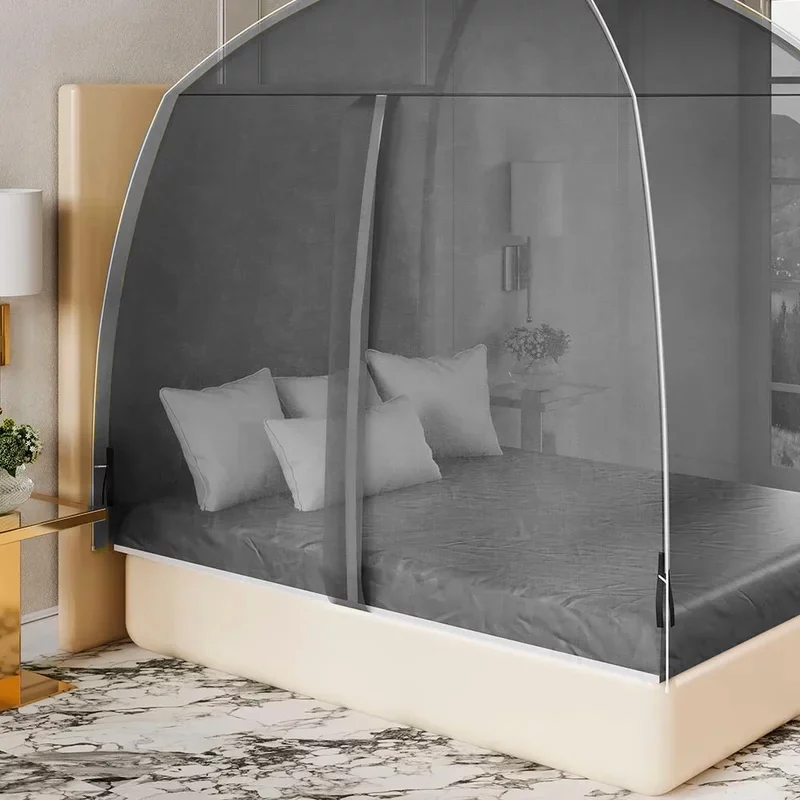
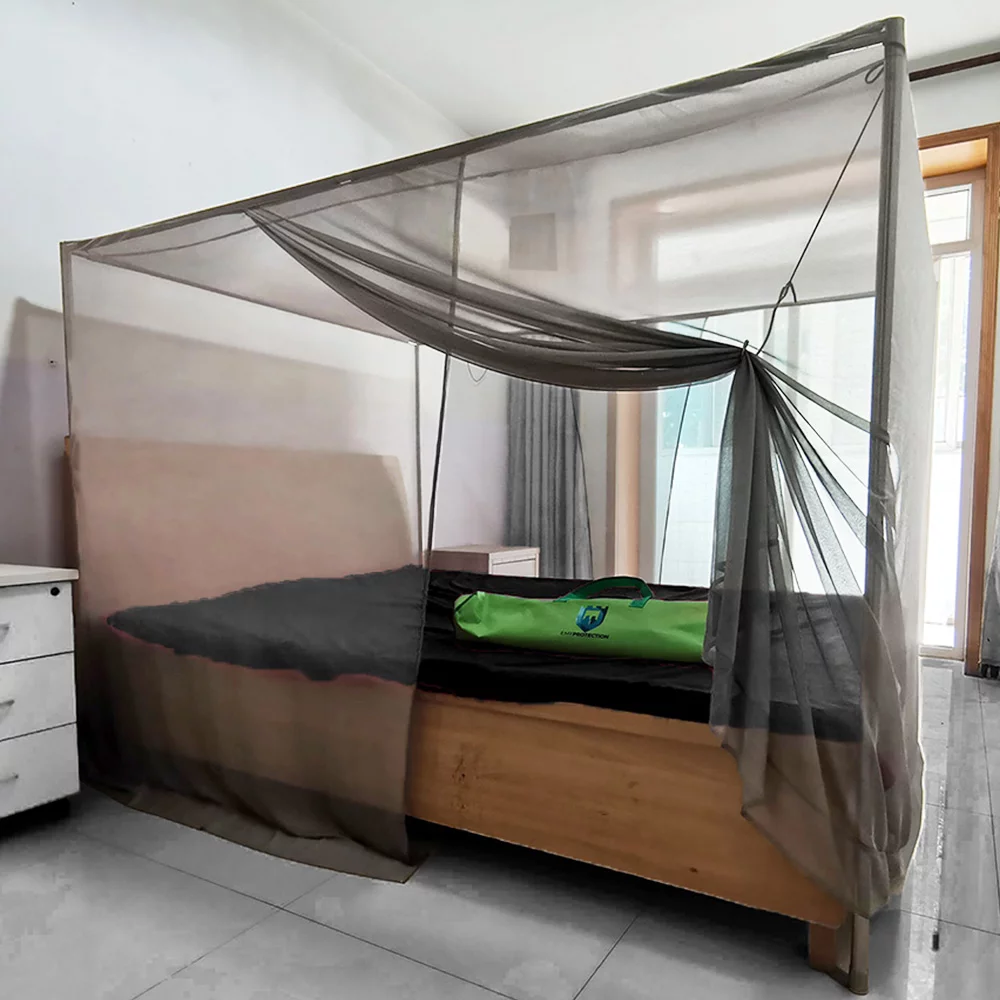
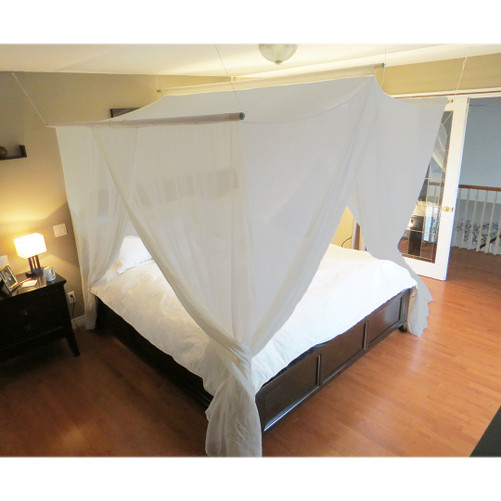
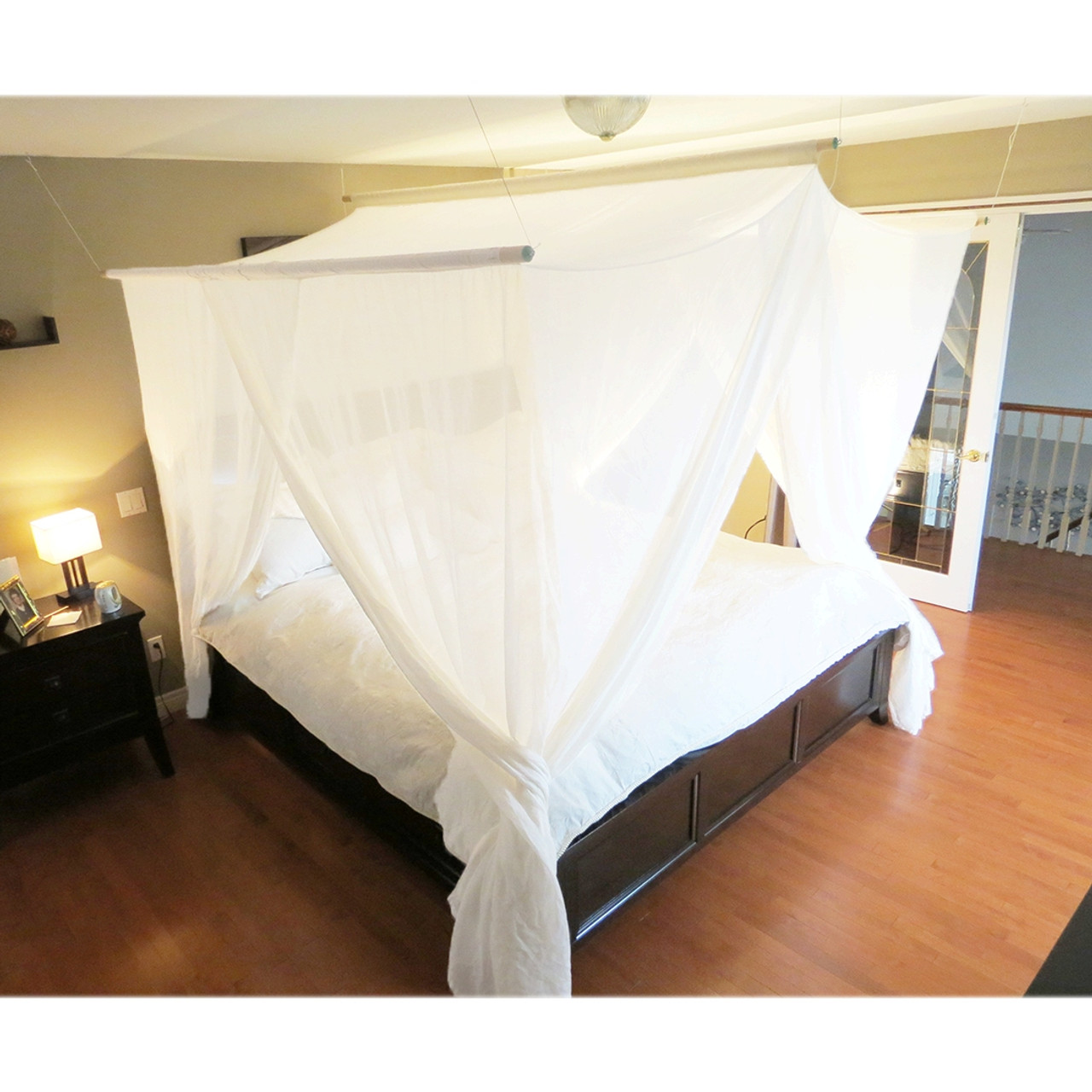
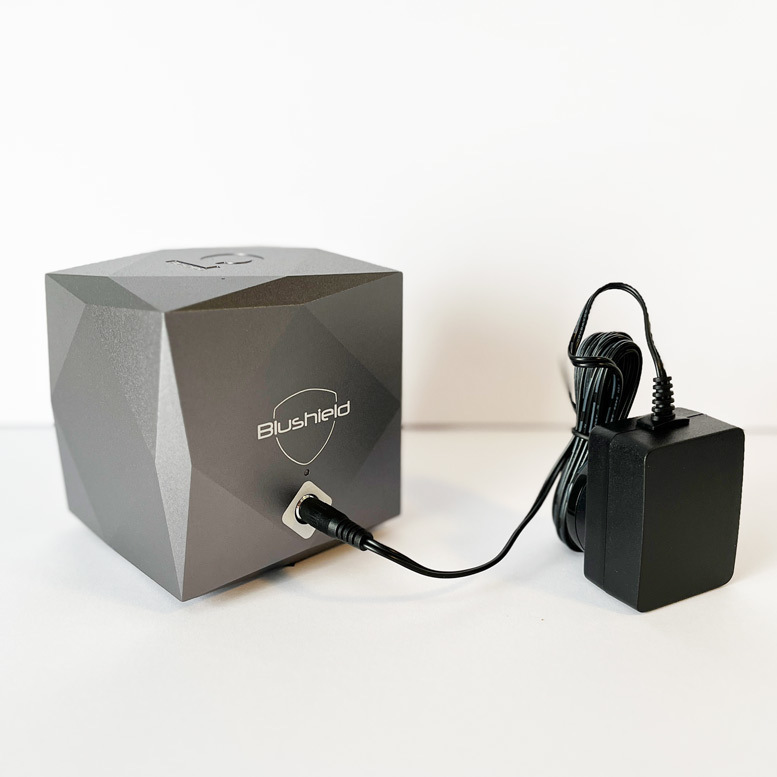
RF meters, shielding fabrics, Blushield devices, bed canopies, grounding products — all independently selected.
Related Questions
References
All research cited is from peer-reviewed journals, government agency publications, or formal scientific appeals. This page does not constitute medical advice. For health decisions, consult a qualified practitioner familiar with environmental medicine.
Related Products




Frequently Asked Questions
A 'whole-house EMF filter' is a broad marketing term that covers several distinct product types. The most credible category is dirty electricity filters — devices that plug into mains sockets and filter high-frequency voltage transients (dirty electricity) riding on the electrical wiring. Products like Stetzerizer and Greenwave filters address specific, measurable electrical pollution. Separate from this, some products claim to filter or neutralise RF radiation from all sources throughout a home — these claims are physically implausible without a full Faraday cage structure enclosing the entire property. Any product claiming to block all wireless radiation in a home via a single plugin device should be evaluated with extreme scepticism.
Dirty electricity refers to high-frequency voltage transients and harmonics that travel along household wiring — produced by switching power supplies, LED dimmers, solar inverters, and other modern electronics. These transients radiate ELF and radio-frequency emissions from the wiring itself, adding to the total EMF environment of a home. Dirty electricity filters (Stetzerizer, Greenwave, and similar) use capacitors to shunt these frequencies to ground. Their effectiveness can be measured with a Stetzerizer meter or similar device before and after installation. There is some independent evidence — including work by Havas & Stetzer (2004) — linking dirty electricity levels to health outcomes in sensitive individuals.
Router guards are RF-attenuating mesh enclosures that fit around a WiFi router. They can achieve genuine reduction in the RF emitted from the router — typically 5–15dB attenuation depending on the mesh quality and design. This translates to a reduction of around 70–97% in radiated field strength. The trade-off is reduced WiFi range and speed. They are a practical option when the router cannot be relocated away from a living area. As with all shielding products, verify effectiveness with an RF meter before and after — the quality varies considerably between brands.
Outlet-based EMF filters work by reducing dirty electricity on the mains wiring. The evidence that they help is most robust for people with sensitivity to electrical fields — several case studies and small studies (Havas et al.) report symptom improvement in electrically sensitive individuals after dirty electricity filter installation. For general population use, the benefit is less well established. If you are experiencing unexplained fatigue, headaches, or sleep difficulties at home and have ruled out RF sources, measuring dirty electricity levels with a Stetzerizer meter and trialling filters is a reasonable, low-cost step.
The most effective whole-home approach combines: (1) dirty electricity filters in rooms where time is spent — particularly the bedroom; (2) router nightly timer to eliminate WiFi during sleep; (3) wired ethernet for fixed devices to reduce WiFi transmission load; (4) smart meter opt-out or non-communicating mode; (5) RF shielding paint or film for rooms facing known external sources. This layered approach addresses both ELF dirty electricity and RF radiation — the two main categories of indoor EMF pollution. Start by measuring both types with appropriate meters to identify the highest-priority sources in your specific home.