EMF Sensitivity: How to Self-Test and What Treatment Options Are Available

EHS (electromagnetic hypersensitivity) affects an estimated 3–10% of the population in developed countries, yet most people who have it spend years — sometimes decades — without connecting their symptoms to their wireless environment. The absence of a clinical diagnostic test is the primary barrier to recognition and treatment. This page provides the most evidence-informed approach to self-assessment and the treatment options with the strongest support from current research and clinical practice.
The Diagnostic Challenge
EHS presents a diagnostic paradox: many double-blind provocation studies have failed to show that EHS individuals can consciously identify when they are being exposed to EMF above chance level, yet objective physiological measurements (heart rate variability, cortisol markers, inflammatory biomarkers) frequently show abnormalities under blinded exposure. This suggests that the relevant biological response may not be consciously perceived in real-time, but produces measurable physiological changes that accumulate into the symptom pattern EHS sufferers experience over hours or days of exposure.
The Two-Week Clean-Environment Test
The most practical self-assessment approach endorsed by Building Biology practitioners: spend two weeks in a maximally low-EMF environment — ideally combining home source removal (router off, wired ethernet, phones out of bedroom, DECT phones removed) with at least one extended period (a weekend or short holiday) in a genuinely low-EMF rural environment. Rate your key symptoms daily on a simple 0–10 scale. If you see consistent improvement during the clean environment period and deterioration when the normal environment is restored, this is the strongest personal evidence that an environmental relationship exists.
Starting with the Environment, Not the Medicine
The most common mistake in EHS management is reaching for supplements and treatments without first substantially reducing the triggering environment. No antioxidant supplement can adequately compensate for ongoing high-level EMF exposure that continues to drive oxidative stress. Source reduction is the primary intervention — treat it as such before adding nutritional support or shielding measures.
For most people, the high-impact environmental steps are also the free ones: router nightly timer, phone out of bedroom, wired internet. These should be the first two weeks of any EHS management strategy. Only after these baseline steps have been implemented and symptoms assessed should additional interventions be layered on.
🛡 Expert-Selected EMF Protection
Shop Verified EMF Protection Products
RF meters, shielding fabrics, Blushield devices, bed canopies, grounding products — independently selected.
Related Questions
References
All research cited is from peer-reviewed journals, government agency publications, or formal scientific appeals. This page does not constitute medical advice.
Related Products










Frequently Asked Questions
There is no single clinical test for EMF sensitivity. The diagnostic process is one of pattern identification and elimination. The questions most indicative of EMF sensitivity are: Do your symptoms worsen in specific locations (near a router, in the office, near your phone) and improve when away from those environments? Did symptoms onset or worsen following a specific technology change (new router installed, smart meter fitted, changed to a 5G phone)? Do you feel better in technology-free environments — camping, rural retreats, older buildings? Do symptoms improve consistently at weekends or holidays and return on returning home or to the office? A positive pattern across these questions warrants a structured EMF elimination trial.
An EMF elimination trial is a structured period of maximally reduced EMF exposure during which you monitor symptoms systematically. Preparation: (1) get an RF meter to verify your starting environment and then your reduced environment; (2) prepare a daily symptom diary rating the most relevant symptoms on a 0–10 scale. Reduction steps: switch to wired ethernet for all internet; switch off WiFi at the router; put phones in aeroplane mode when not in active use; remove DECT phones; request non-communicating smart meter mode if possible. Duration: minimum 2 weeks; 4 weeks preferable to see trends through normal variation. Then reintroduce each source one at a time and monitor. This approach cannot diagnose EHS clinically but provides strong personal evidence of whether an environmental relationship exists.
No standard clinical test for EHS exists. However, a practitioner familiar with environmental medicine may assess: heart rate variability (HRV) under blinded EMF exposure (as used in the Havas 2013 study); urinary melatonin metabolites (6-OHMS) to assess melatonin suppression; oxidative stress markers (urinary 8-OHdG for DNA oxidation, F2-isoprostanes for lipid oxidation); cortisol diurnal profile; and comprehensive inflammatory markers. None of these specifically diagnoses EHS — abnormal results indicate a stress/inflammatory burden that could have multiple causes. The value is in establishing a baseline, implementing environmental reduction, and retesting to see whether markers improve.
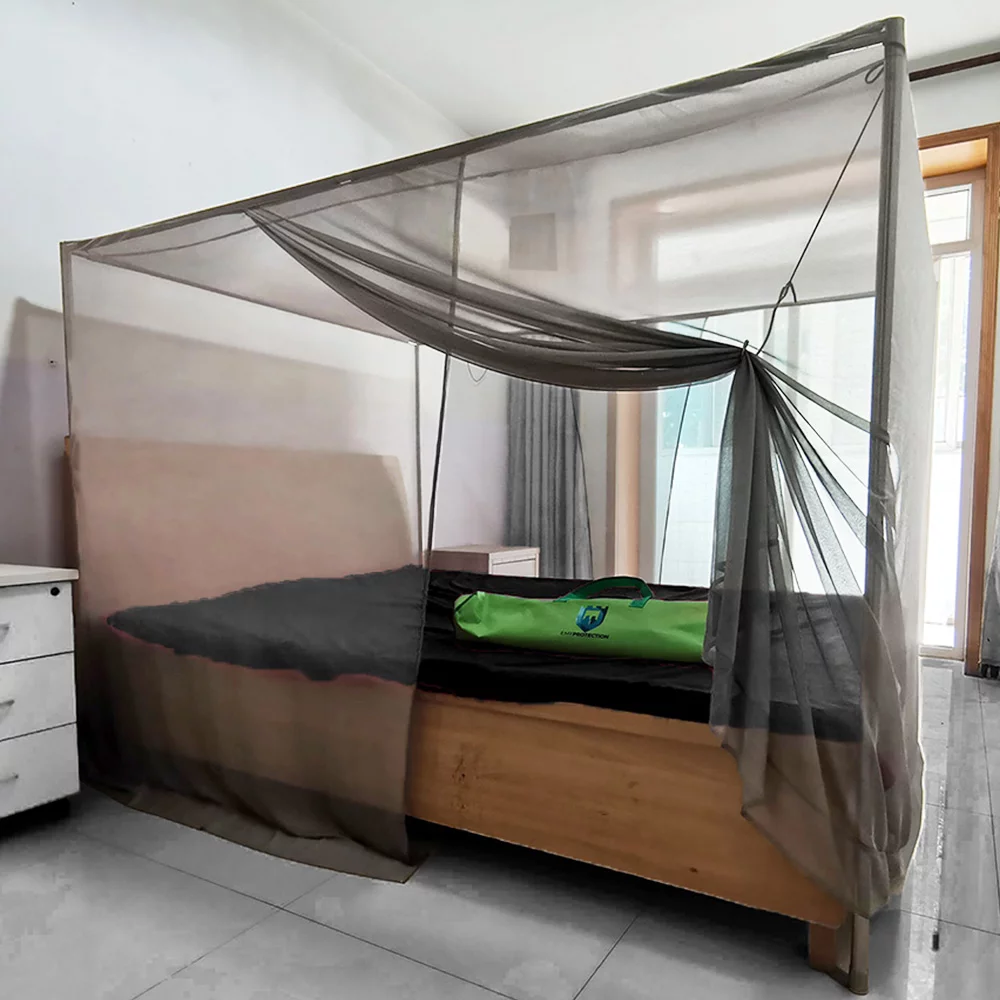
The most evidence-supported approaches for EHS management combine four strategies: (1) Environmental reduction — removing the highest RF sources from the home and workplace is the primary intervention; symptoms cannot be adequately managed while the triggers remain; (2) Nutritional antioxidant support — melatonin, vitamin C, NAC, alpha-lipoic acid, and magnesium are used by functional medicine practitioners based on the oxidative stress and VGCC mechanisms; (3) Nervous system regulation — many EHS sufferers develop a heightened stress response that maintains symptom sensitisation even in lower-EMF environments; techniques including mindfulness, HRV biofeedback, and vagal nerve stimulation may help regulate this; (4) Shielding — for unavoidable external RF sources, appropriate shielding (canopies, clothing, window film) provides a protected low-RF refuge.
In the UK, the British Society for Ecological Medicine (BSEM) maintains a register of practitioners familiar with environmental illness including EHS. Some integrative medicine, functional medicine, and environmental medicine practitioners are experienced with EHS assessment. The Building Biology Institute (in Europe, via affiliate organisations) trains practitioners in comprehensive EMF assessment and can provide referrals to consultants who conduct home surveys combined with health assessments. Be cautious of practitioners who either dismiss EHS without investigation or attribute all symptoms to EMF without differential diagnosis — a balanced, systematic approach is most valuable.