Power Lines & EMF: How Far Is Safe to Live?
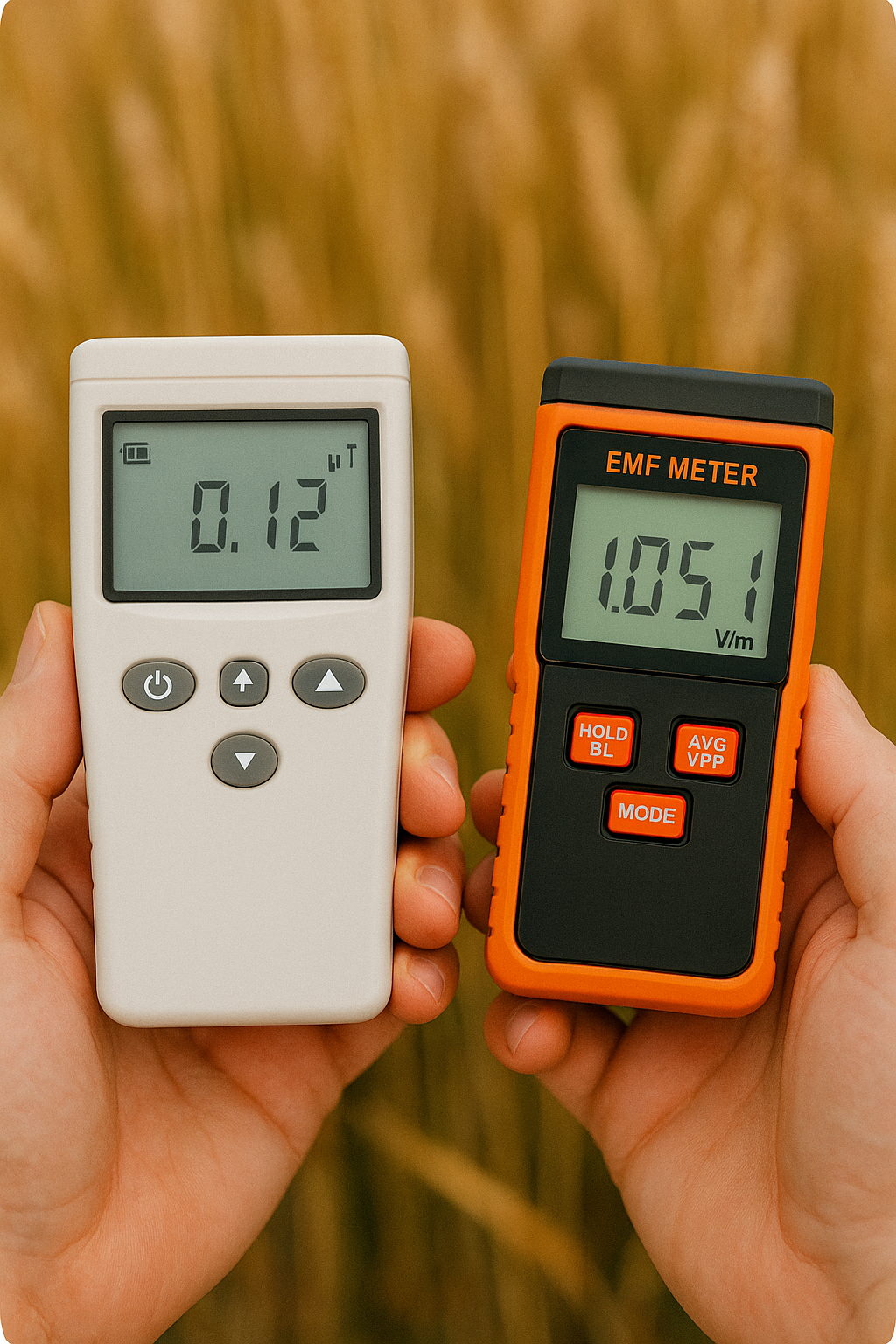
Buying or renting a home near overhead power lines, a substation or a transformer raises an understandable question: how close is too close? Power lines produce a very different kind of EMF from your phone or Wi-Fi — a low-frequency magnetic field that passes straight through walls and is notoriously hard to block. With the huge buildout of transmission lines now under way to feed AI data centres, more homes than ever are finding themselves near new infrastructure. This guide explains what power lines actually emit, the exposure levels researchers worry about, how to measure your own home, and what a genuinely safe distance looks like.
📋 In This Guide
What Power Lines Emit
Power lines carry alternating current at 50 Hz (UK/Europe) or 60 Hz (North America), producing extremely low frequency (ELF) fields of two kinds:
- Electric fields — created by the voltage on the line. These are relatively easy to block; trees, walls and fences reduce them.
- Magnetic fields — created by the current flowing through the line. These are the real concern: they pass through walls, the ground and the human body almost unimpeded, and ordinary materials do not shield them.
Magnetic fields are measured in milligauss (mG) or microtesla (µT), where 10 mG = 1 µT. Crucially, a line's magnetic field depends on the current it is carrying at that moment, so readings rise and fall with demand across the day.
📏 Don't Guess — Measure
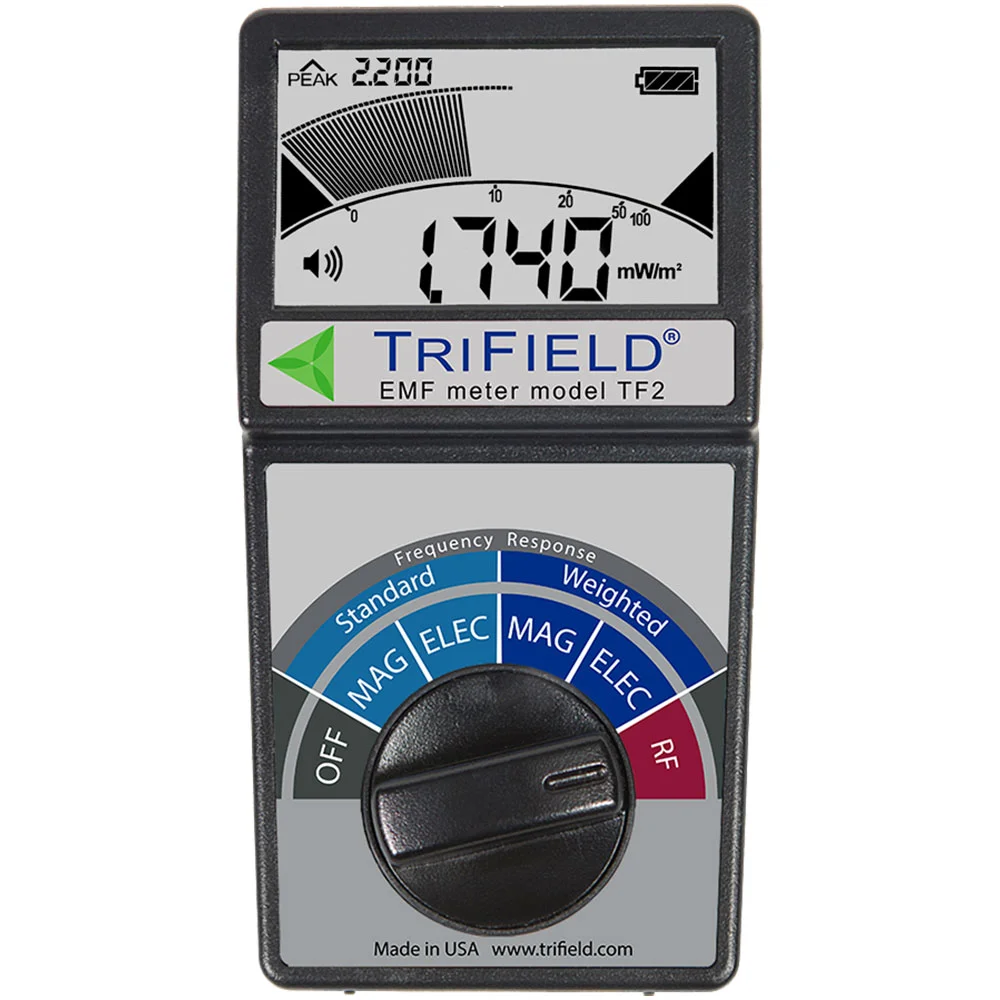
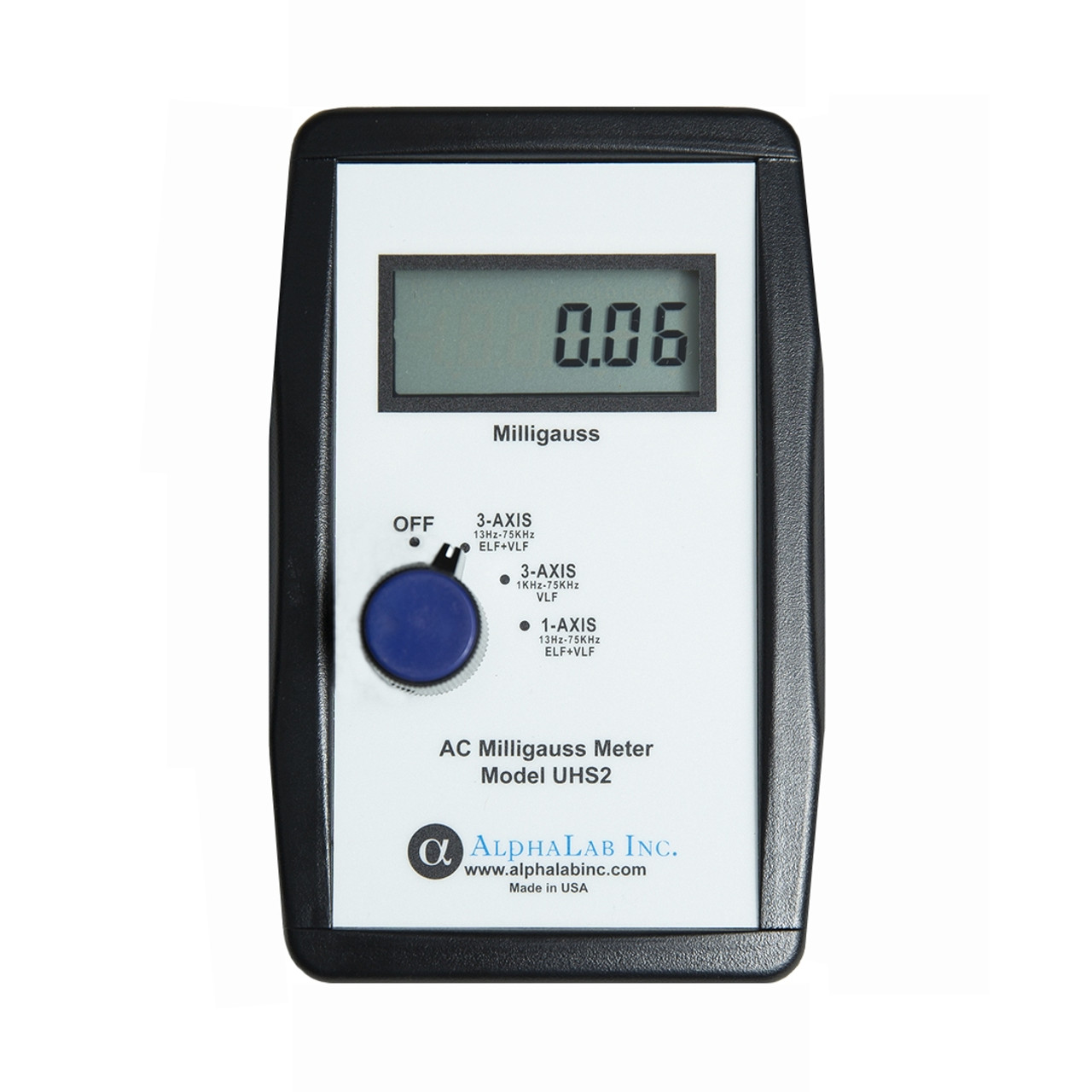
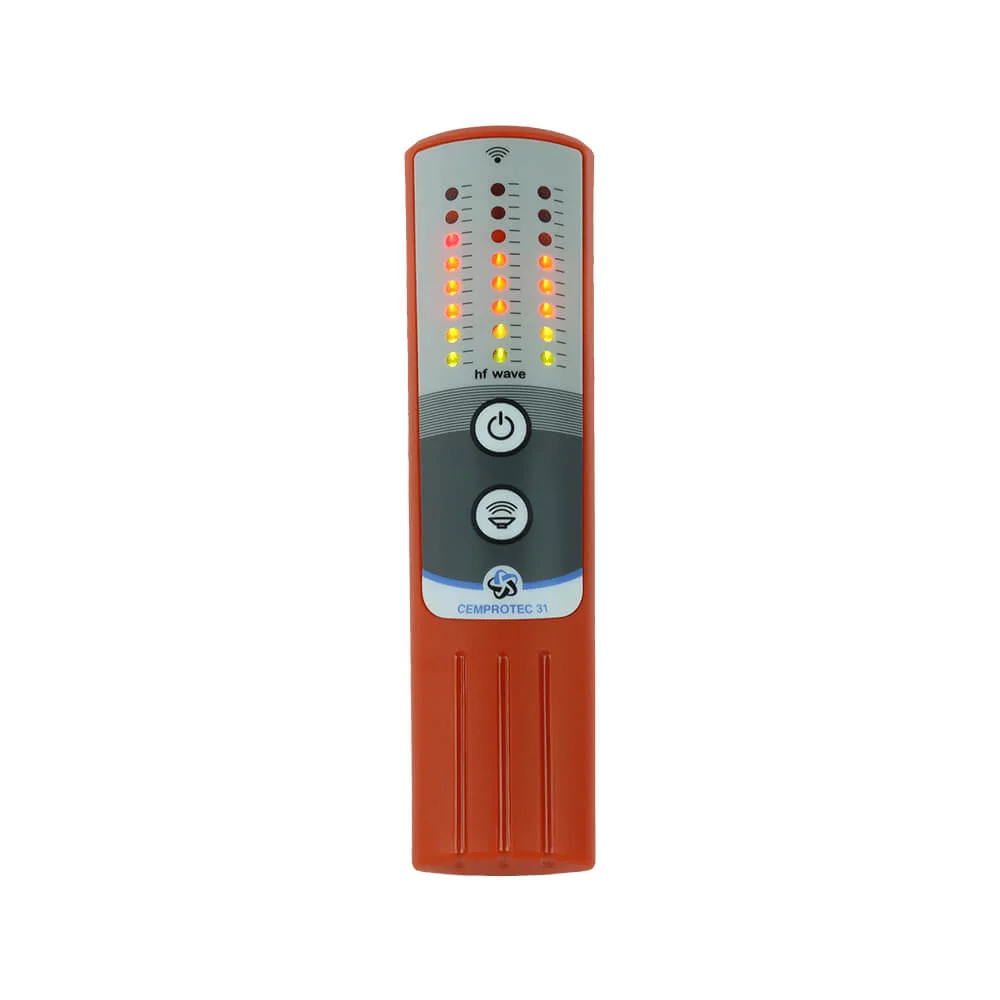
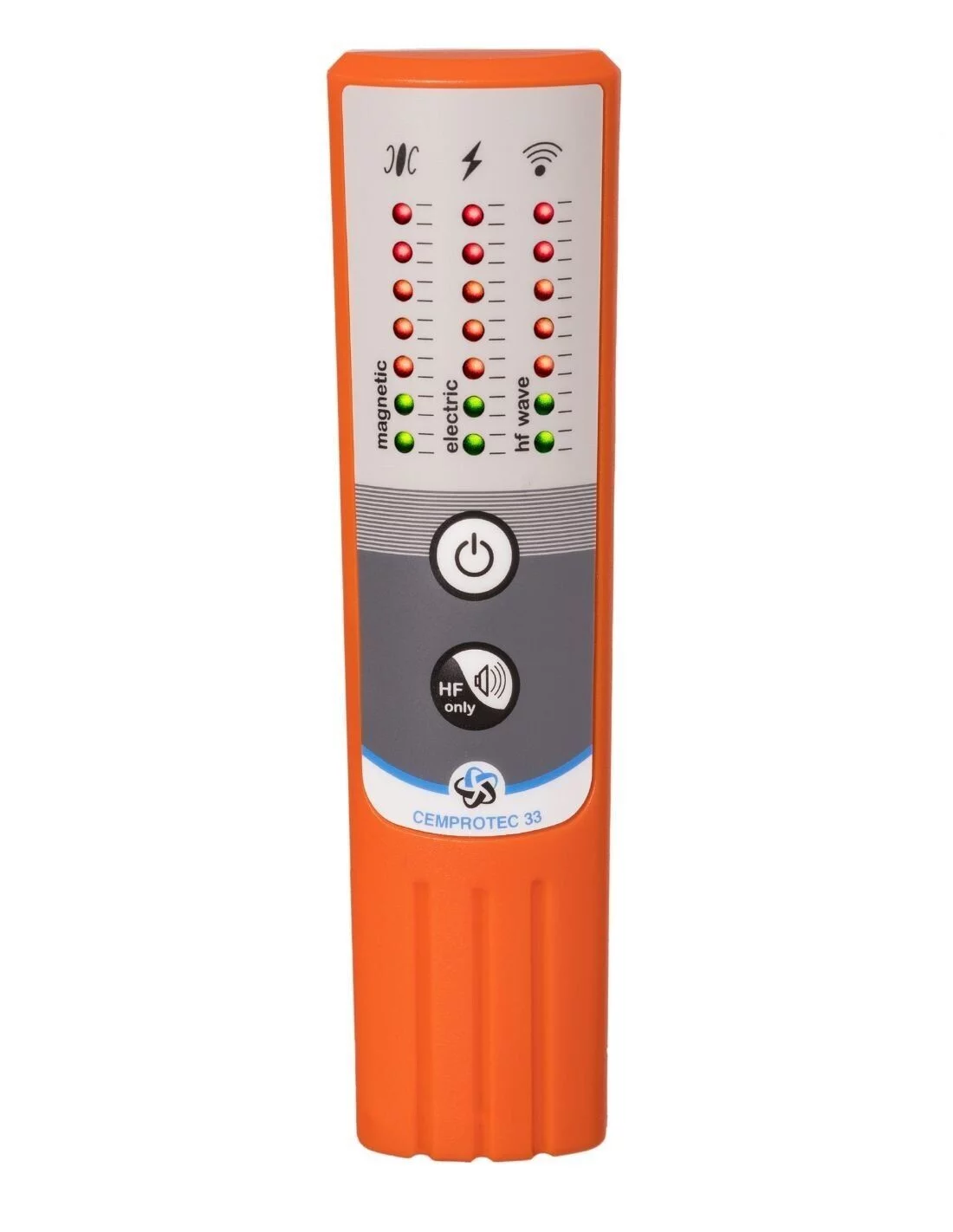
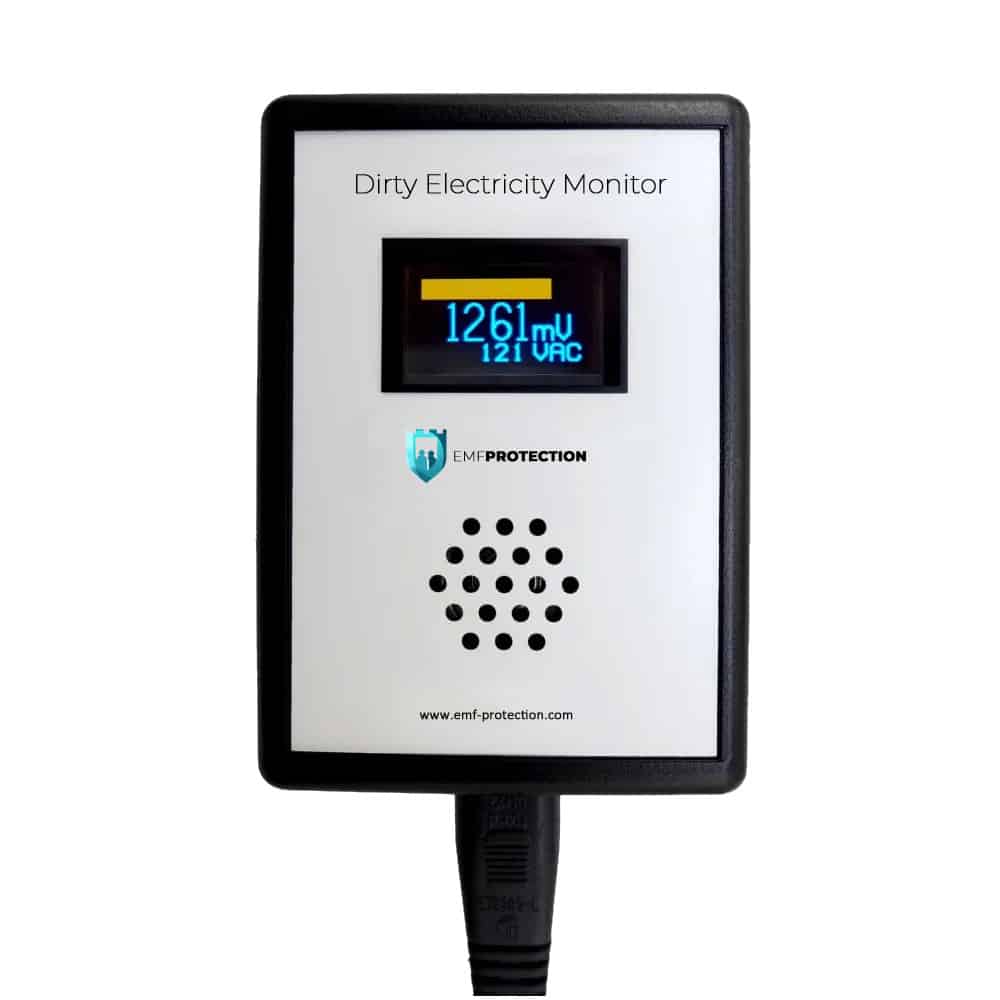
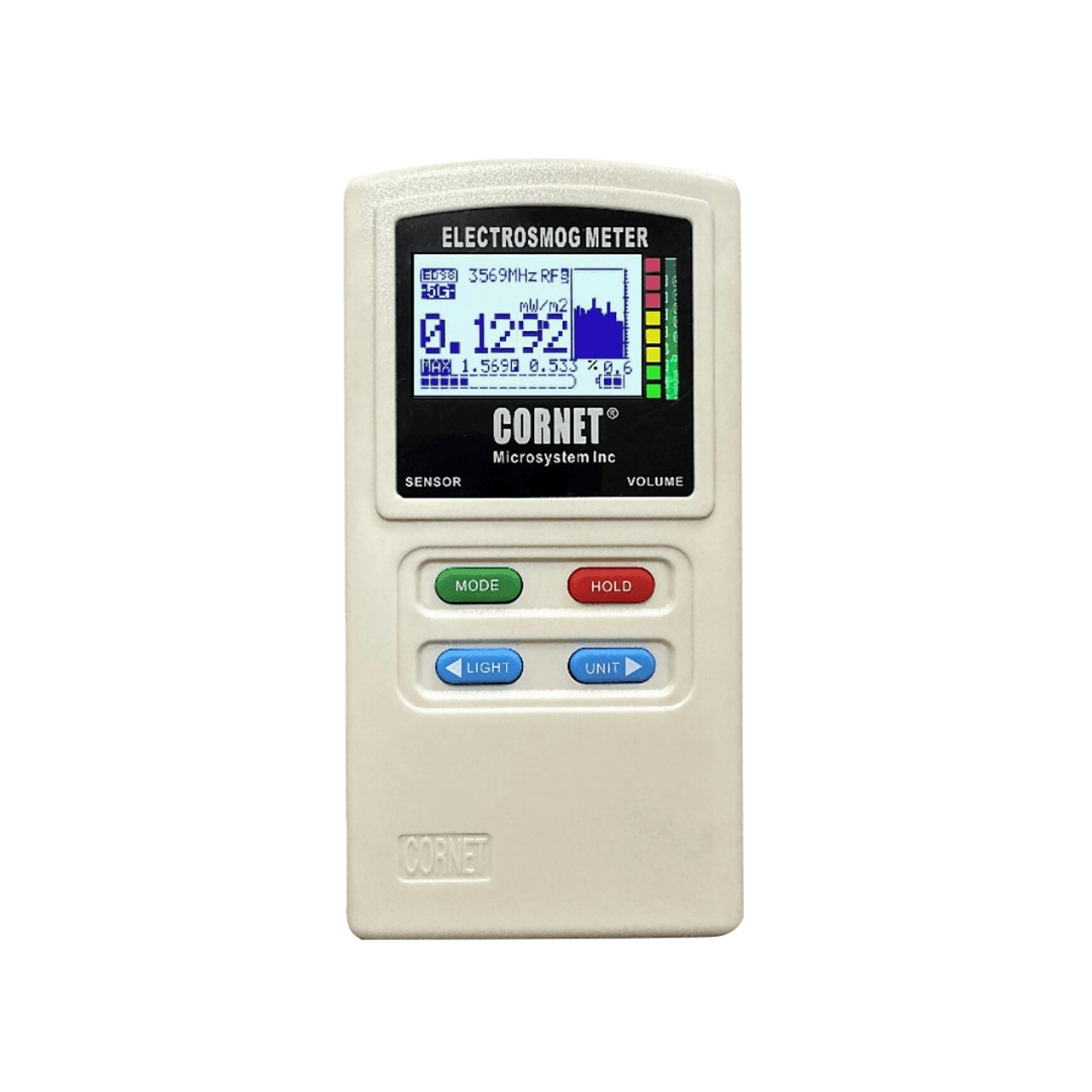
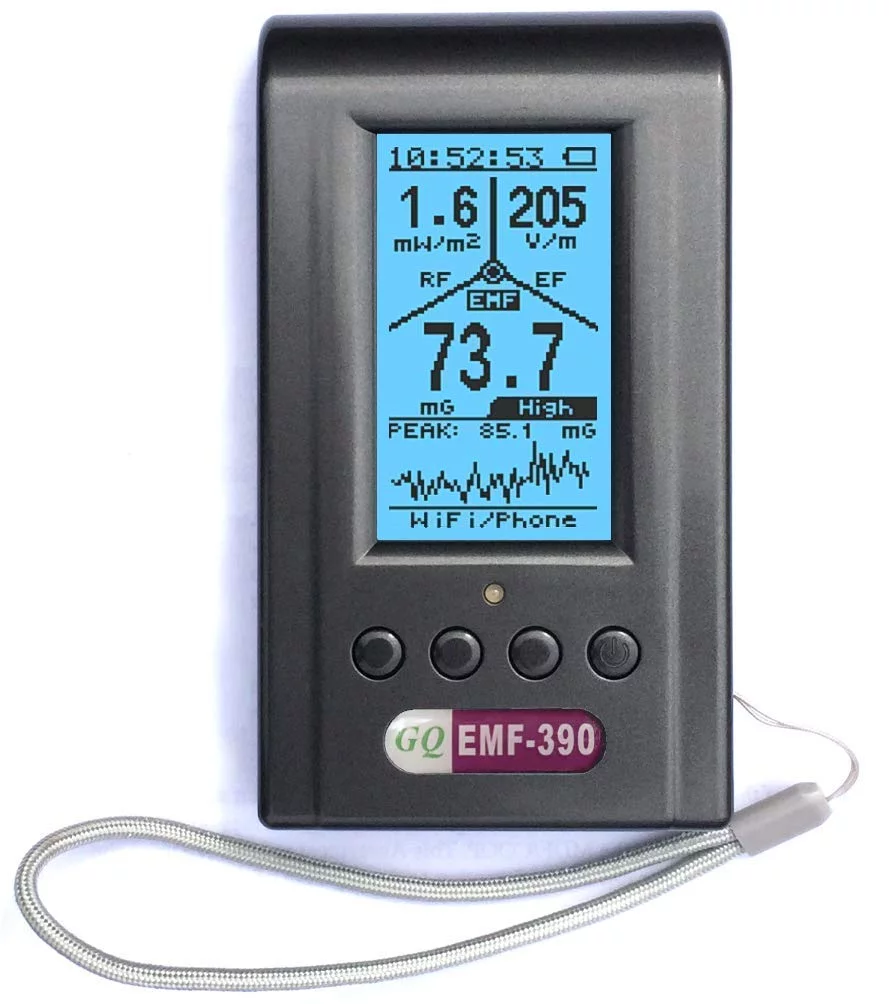
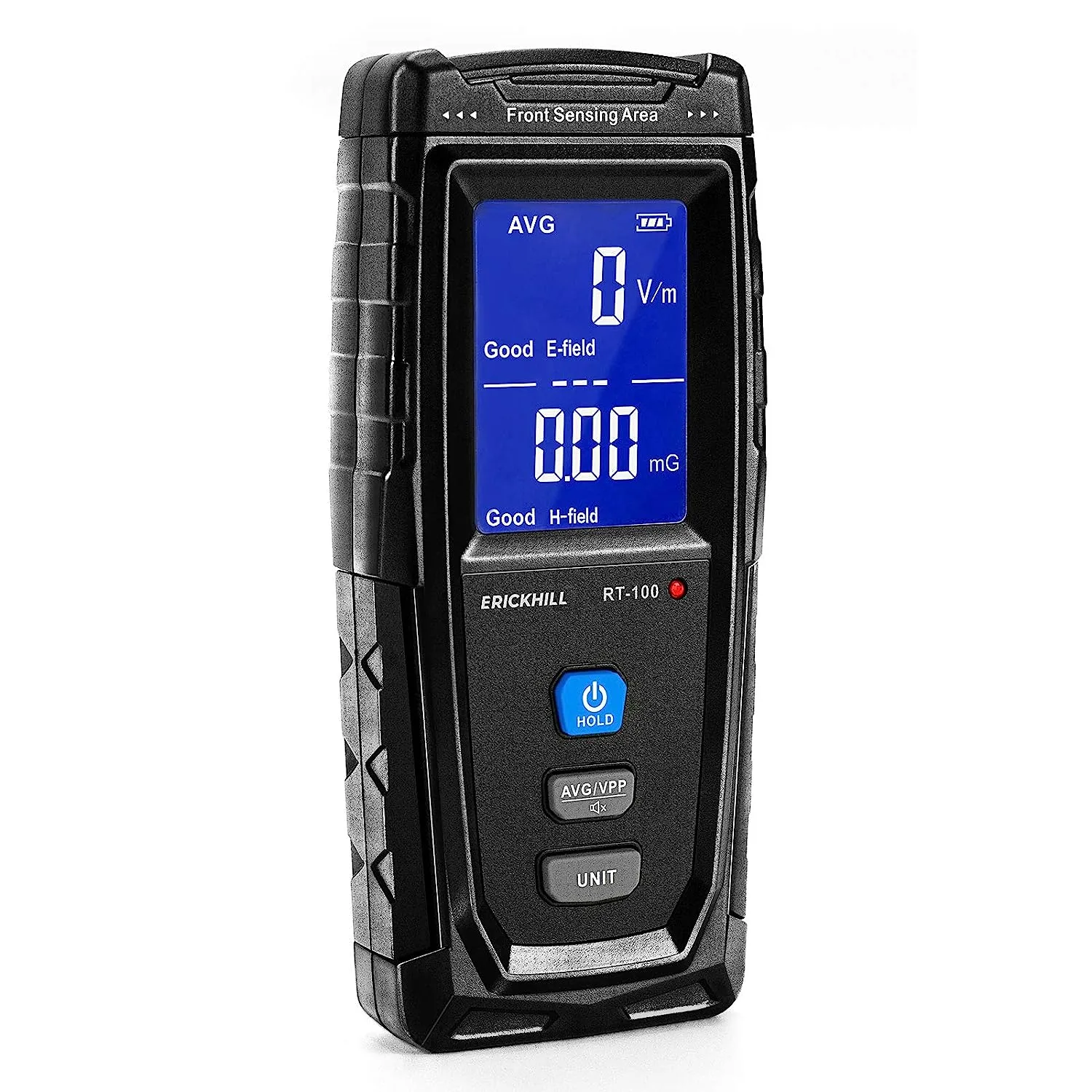
Gauss Meters for Magnetic Fields
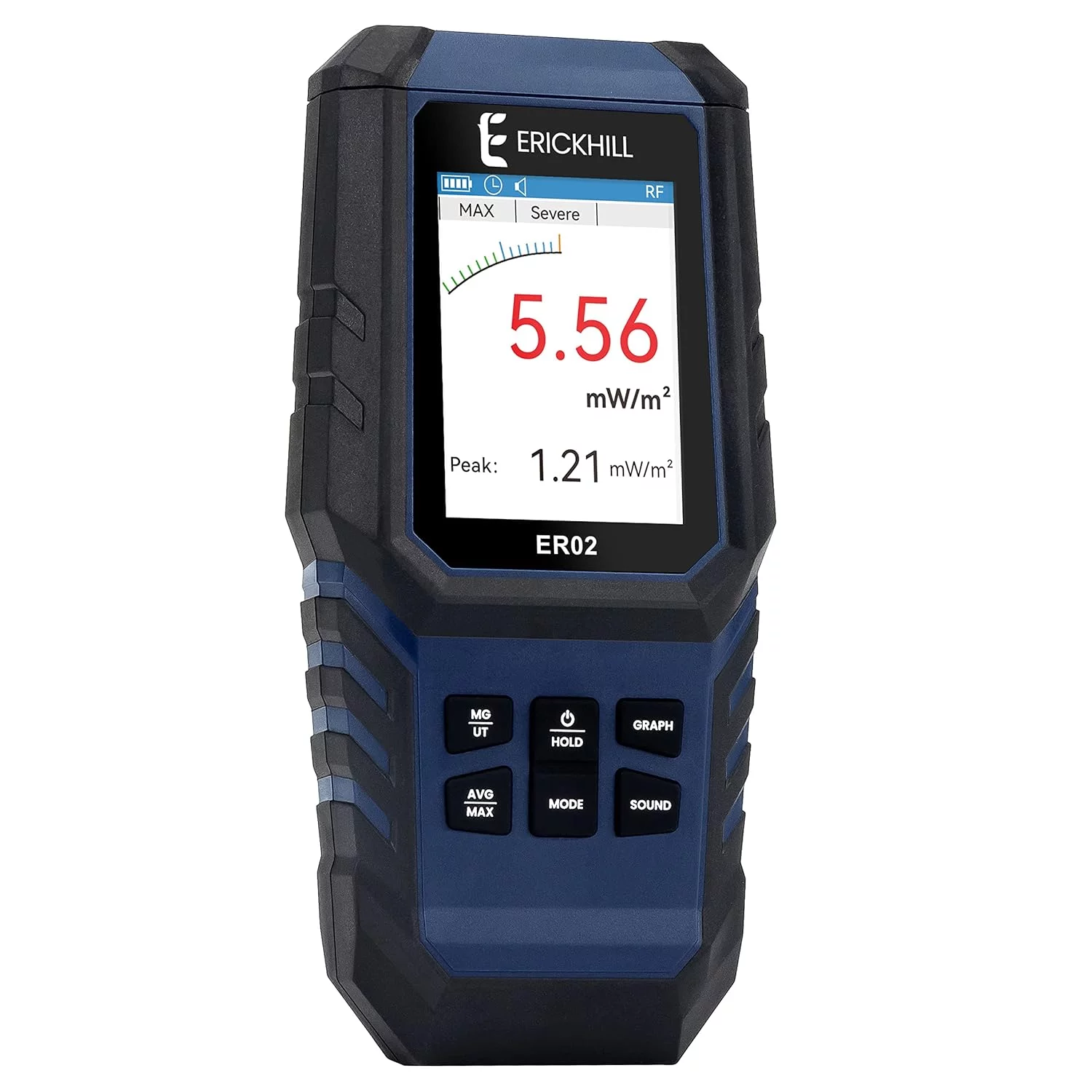
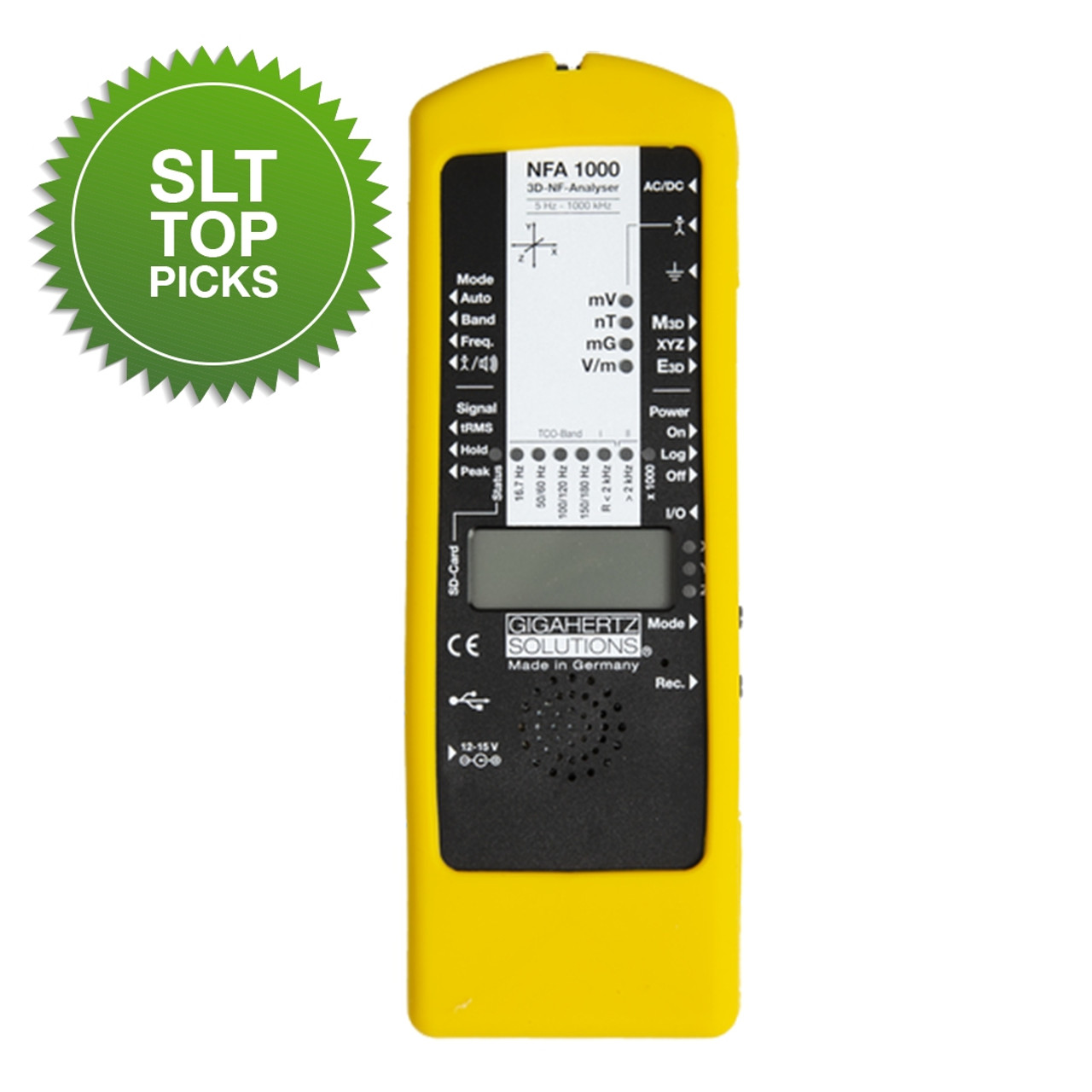
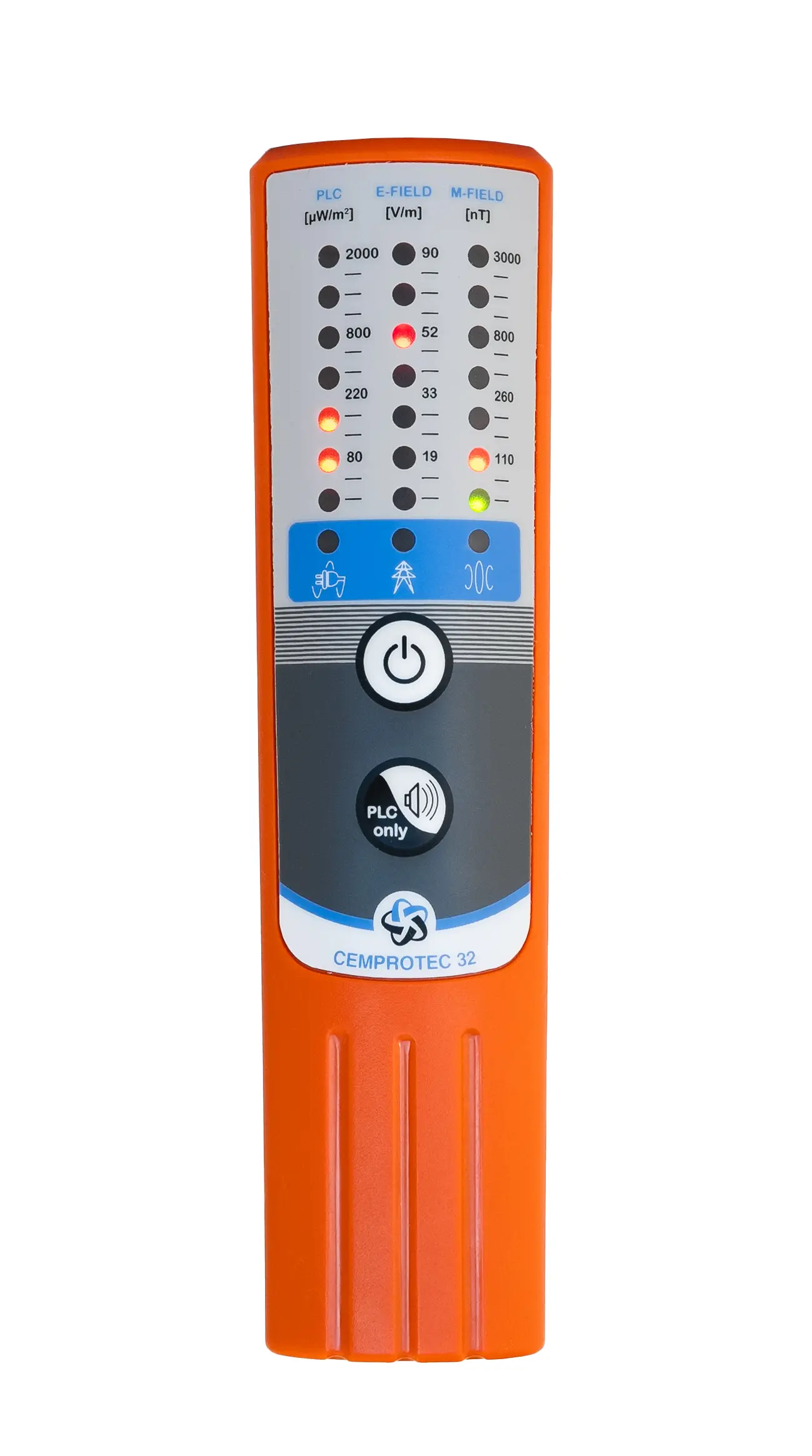
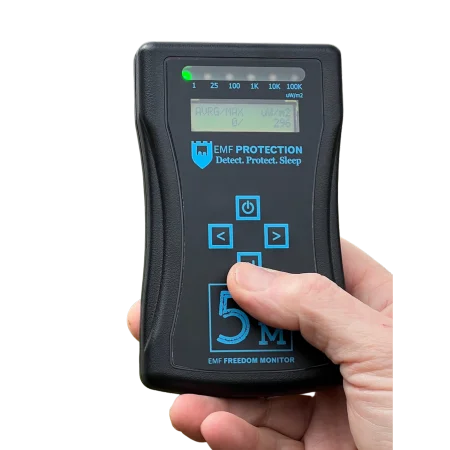
A gauss meter reads the ELF magnetic field from power lines in milligauss — the only way to know your real exposure.
The Milligauss Levels That Matter
Background magnetic fields in a typical home, away from appliances, sit well under 1 mG. The figures that recur in the research and precautionary guidance are:
- Under 1 mG — a target many building-biology assessors aim for in bedrooms.
- 3–4 mG — the average residential level epidemiology has repeatedly associated with a doubling of childhood leukaemia risk.
- Thousands of mG — the level at which official short-term limits are set (designed to prevent nerve stimulation, not long-term effects) — which is why "within official limits" tells you little about chronic risk.
This enormous gap between the precautionary levels and the official limits is the same regulatory blind spot we cover in why wireless limits are 200× too high.
So How Far Is Safe?
There is no universal number, because it depends on the line's voltage, its current load and its geometry. As a rough field guide, magnetic fields from large high-voltage transmission lines can remain above 1 mG for anywhere from 50 to 200 metres or more, while lower-voltage distribution lines fall off much sooner. Distribution transformers and substations create strong localised fields that drop quickly but can be significant right beside them.
Distance Is a Clue, Not an Answer
Two homes the same distance from the same line can have very different readings depending on line height, phasing and load. Never rely on distance alone — the only reliable way to know is to measure at the actual property, ideally at different times of day since the field tracks electricity demand.
The Health Evidence
The strongest signal comes from childhood leukaemia. Pooled analyses have found roughly a doubling of risk for children whose average residential magnetic-field exposure exceeds about 3–4 mG — the basis for the IARC's Group 2B ("possibly carcinogenic") classification of ELF magnetic fields. Some studies have also reported associations with miscarriage and other outcomes at elevated exposures. The evidence is debated and far from settled, but the pattern is consistent enough that many families treat proximity to high-voltage infrastructure as a genuine consideration when choosing where to sleep and where children spend time.
How to Measure Before You Buy or Rent
Get a Gauss Meter
Use a gauss meter (or a combo meter with a magnetic-field mode) that reads in milligauss. See our meter guide for models that measure ELF correctly.
Measure at Sleeping Positions
Take readings where beds, sofas and desks are — the places you spend hours. Bedrooms matter most because exposure there is long and uninterrupted.
Measure at Different Times
Because the field follows electricity demand, check morning, evening and peak times. A quiet midday reading can understate the evening peak.
Walk the Boundary
Map the field across the property to find the low-field zones — useful for deciding room layout, or whether to buy at all.
How to Reduce Your Exposure
- Prioritise distance — since magnetic fields are so hard to shield, the highest-value move is to place beds and children's rooms in the lowest-reading part of the home, on the side away from the line.
- Rule out indoor sources first — wiring errors, sub-panels and transformers inside the home can produce fields as high as any power line. Measure to separate the two.
- Don't rely on ordinary shielding — foils and paints that block RF do little for low-frequency magnetic fields, which need specialist mu-metal. Distance wins.
- Get a professional assessment for a serious problem — our EMF consultancy can help interpret readings and options.
📏 Know Before You Commit
Shop Gauss & Combo EMF Meters
Measure magnetic fields from power lines, substations and transformers — at home or before you buy.
Shop at emf-protection.co.uk →Affiliate disclosure: We earn a small commission on purchases via this link — at no extra cost to you.
Frequently Asked Questions
How far from power lines is safe to live?
There's no single number — it depends on voltage and load. Fields from big lines can stay elevated 50–200 m+. Many aim to keep continuous exposure under 1–2 mG; 3–4 mG is linked to childhood leukaemia. Measure with a gauss meter to know.
What EMF do power lines emit?
Extremely low frequency (ELF) electric and magnetic fields at 50/60 Hz. The magnetic field is the main concern — it passes through walls and the body and is hard to shield.
Is living near power lines linked to cancer?
IARC classes ELF magnetic fields as possibly carcinogenic (2B), based mainly on childhood-leukaemia studies above ~3–4 mG. It's debated, but many minimise exposure as a precaution.
Can you shield a house from power line EMF?
Magnetic fields need specialist mu-metal, not ordinary materials, so distance is the most effective strategy. Measure to find and use the lowest-field areas.