Solar Panels & EMF: Do Inverters Create Dirty Electricity?
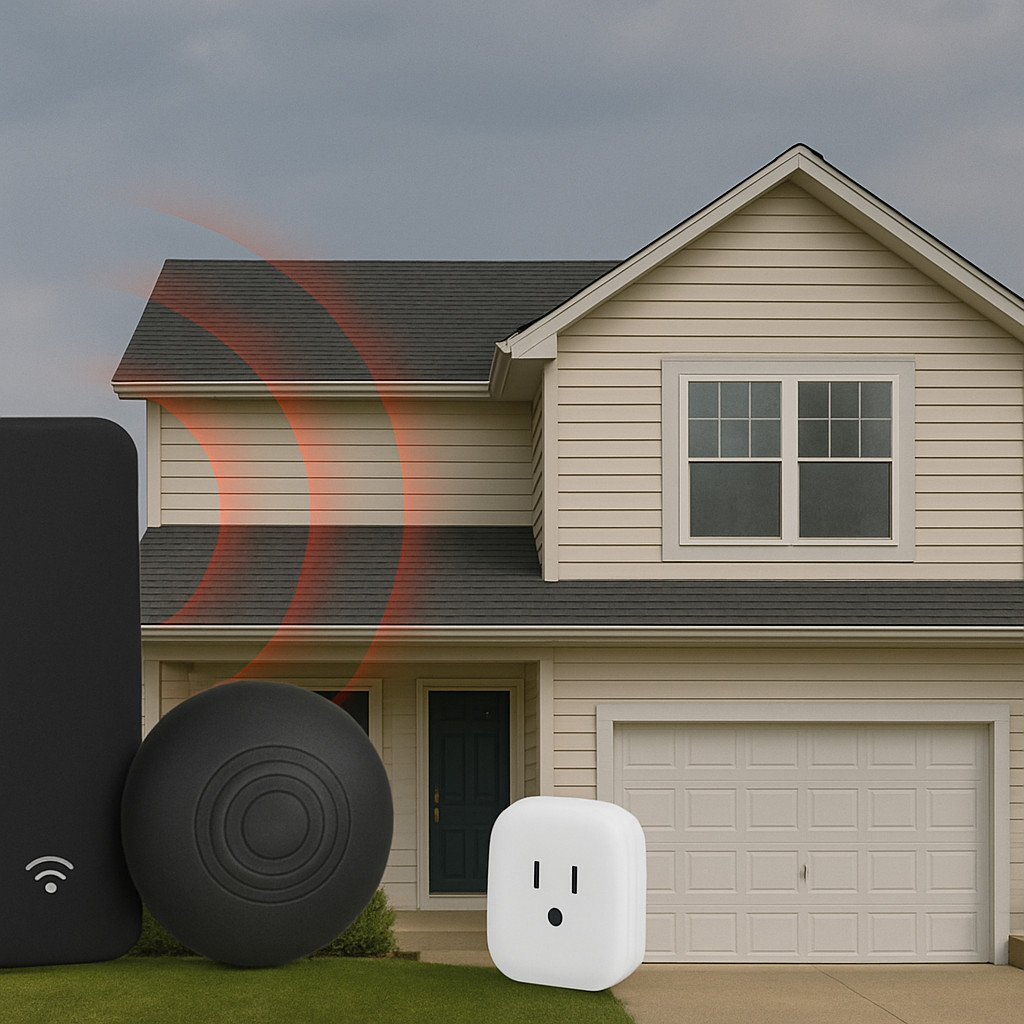
Solar power is clean energy — but is it clean electromagnetically? It's a fair question, and the answer surprises people: the panels on your roof are the quiet part. The component that matters for EMF is the inverter — the box that turns the panels' DC electricity into the AC your home uses. Inverters switch at high frequency, and that can pump dirty electricity onto your wiring plus a magnetic field around the unit. This guide explains exactly where solar EMF comes from, why the inverter and its placement are the whole story, and how to measure and filter it so you can go solar without the electromagnetic downside.
📋 In This Guide
The Panels vs the Inverter
Solar panels generate direct current (DC) from sunlight. DC is electromagnetically quiet — a steady flow with no rapid switching — so the panels and their DC cabling are a minor concern. The inverter is where the action is: it converts DC into the 50/60 Hz alternating current your home runs on, and it does that by switching electronic components on and off thousands of times a second. That high-frequency switching is what generates EMF.
🔌 Clean Up the Inverter
Dirty Electricity Filters & Meters
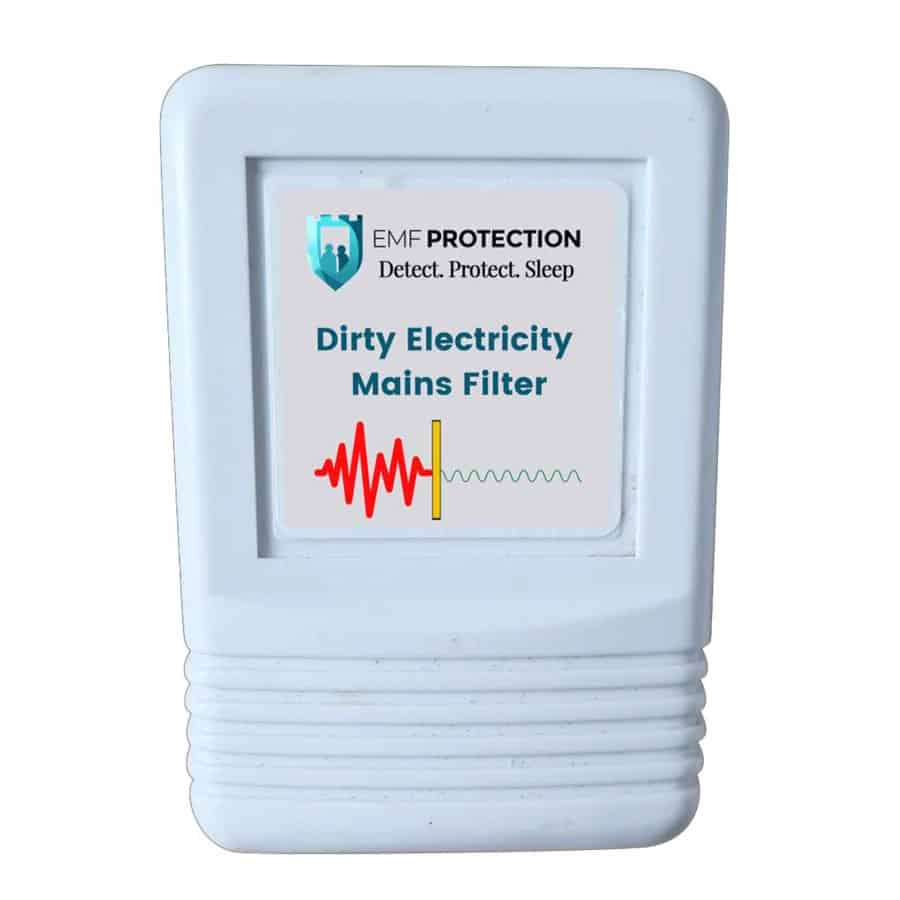
Filter the high-frequency noise a solar inverter can add to your wiring.
How Inverters Make Dirty Electricity
To turn smooth DC into AC, an inverter chops and shapes the current with fast electronic switching. That switching produces high-frequency transients — the same "dirty electricity" (roughly 2–150 kHz) we cover in our dirty electricity guide — which can ride back onto your home's wiring and radiate from it throughout the building. The amount varies enormously between inverter models and depends on installation quality and earthing. A well-designed, well-installed system adds little; a noisy inverter can be one of the biggest dirty-electricity sources in the home.
Inverter Types & EMF
- String inverters — a single central inverter, usually in the garage or on an external wall. One location to manage, but a strong local source.
- Micro-inverters / power optimisers — small units on each panel on the roof. This distributes the switching across the roof rather than one box indoors, which some prefer, though it means many small sources overhead.
- Battery/hybrid inverters — add battery charging electronics, another switching source to consider.
Why Inverter Placement Matters
Never Put the Inverter Behind a Bedroom Wall
The inverter's magnetic field is strongest right at the unit and its cabling, and dirty electricity is worst on the circuits nearest it. If the inverter is mounted on the other side of a bedroom, living-room or office wall, you may be sitting or sleeping beside a significant source. Site it in a garage or on an external wall that doesn't back onto an occupied room — and if it's already badly placed, that's the first thing to address.
How to Measure & Reduce It — Step by Step
Measure Around the Inverter
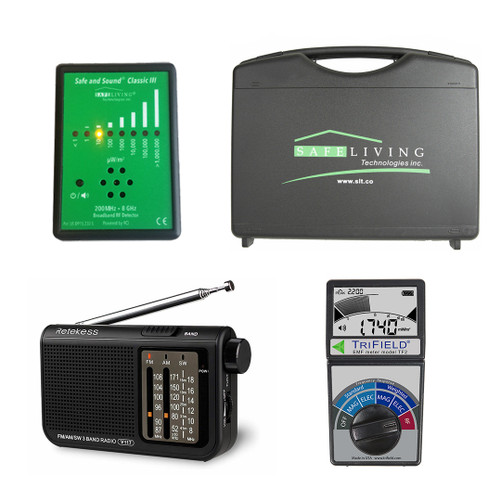
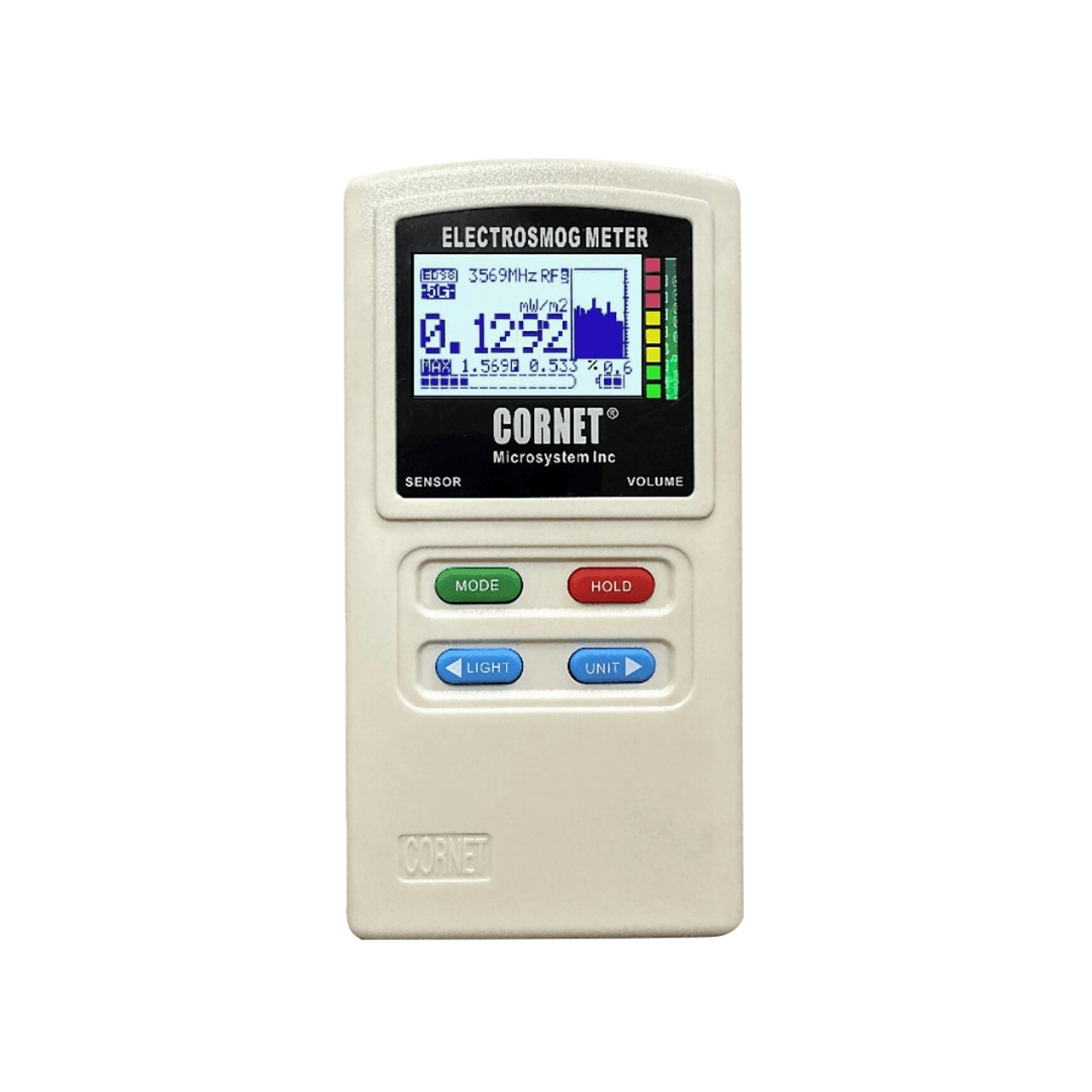
Use a meter that reads dirty electricity (GS units / high-frequency) and one for magnetic fields. Check the inverter, the wall behind it, and nearby rooms. See our meter guide.
Add Distance From Living Spaces
If it backs onto a room you use, relocate beds and desks away from that wall — or, longer term, consider relocating the inverter.
💰 Free–moderateFit Dirty Electricity Filters
Where high-frequency readings are elevated, plug-in filters on the affected circuits reduce the noise. Re-measure to confirm.
🔌 ModerateCheck the Earthing
Poor earthing worsens inverter noise. Have a qualified electrician confirm the system is properly earthed to specification.
⚡ Pro checkChoose a Low-Noise Inverter (if installing)
If you haven't installed yet, ask about the inverter's EMC performance and plan its location away from occupied rooms from the start.
🛒 Buy smart☀️ Go Solar, Stay Clean
Shop Dirty Electricity Filters & Meters
Measure your inverter and filter the high-frequency noise it adds.
Shop at emf-protection.co.uk →Affiliate disclosure: We earn a small commission on purchases via this link — at no extra cost to you.
Frequently Asked Questions
Do solar panels create EMF?
The panels make quiet DC; the main source is the inverter, which converts DC to AC and can inject dirty electricity onto your wiring plus a magnetic field around the unit.
Is a solar inverter a source of dirty electricity?
Yes — high-frequency switching in string and micro-inverters can inject dirty electricity onto your wiring. It varies by model and install quality and is measurable.
Where should the inverter go?
As far as practical from bedrooms and living areas — a garage or external wall not backing onto an occupied room. The field is strongest at the inverter and cabling.
How do I reduce solar EMF?
Measure near the inverter, keep it away from occupied rooms, add dirty electricity filters where readings are high, ensure proper earthing, and choose a low-noise inverter when installing.