EMF Window Film: Can It Block Radiation Through Glass?

Windows represent the most significant weak point in any EMF shielding strategy. While walls attenuate RF to some degree (a standard brick wall provides 5–15dB attenuation at 2.4GHz depending on thickness), standard glass provides essentially no shielding. In a room with an external RF source — a 5G small cell on the street, a mobile mast, or a smart meter outside the window — the window is the primary entry point for that radiation into the room.
Why Windows Matter in EMF Shielding
RF shielding is only as effective as its weakest element. Consider a bedroom with shielding paint applied to three walls (25–35dB attenuation) but a standard glass window facing a 5G small cell on the opposite pavement. The RF entering through the unshielded window will dominate the interior field — the treated walls provide minimal benefit in this scenario because the window allows full-strength RF to enter the room. Effective room-level shielding requires treating all surfaces, with windows often requiring specific EMF film or shielding curtains.
Coordinating Window Film with Wall Paint
If you are undertaking a comprehensive room shielding project — shielding paint on walls plus EMF window film — the two treatments should be planned together. Apply the wall paint first and verify its effectiveness with an RF meter. Then add the window film and re-measure to confirm the window was the remaining entry point. Finally, check edges, skirting boards, and any penetrations (cables, pipes through walls) which can act as residual RF entry paths. A Building Biology practitioner can assist with this systematic approach to ensure the whole-room attenuation target is achieved.
Product Types Available
| Product Type | Typical Attenuation | Appearance | Notes |
|---|---|---|---|
| Purpose-made RF shielding film | 20–35 dB | Slight metallic tint | Best for high-attenuation needs |
| Low-E window film (with metal coating) | 10–20 dB | Near-clear | Also provides thermal insulation |
| Shielding curtains (silver-fibre) | 20–40 dB | Fabric, various styles | Flexible; closeable at night |
Before You Buy: Measure First
Identify the dominant external RF source direction by measuring with an RF meter at the window versus at an internal wall. If readings are significantly higher at the window than the internal walls, external-entry RF is your main issue and window film or curtains are the priority treatment. If readings are similar throughout the room, the RF is entering from multiple paths and window film alone may not produce the improvement you expect.
🛡 Expert-Selected EMF Protection
Shop Verified EMF Protection Products
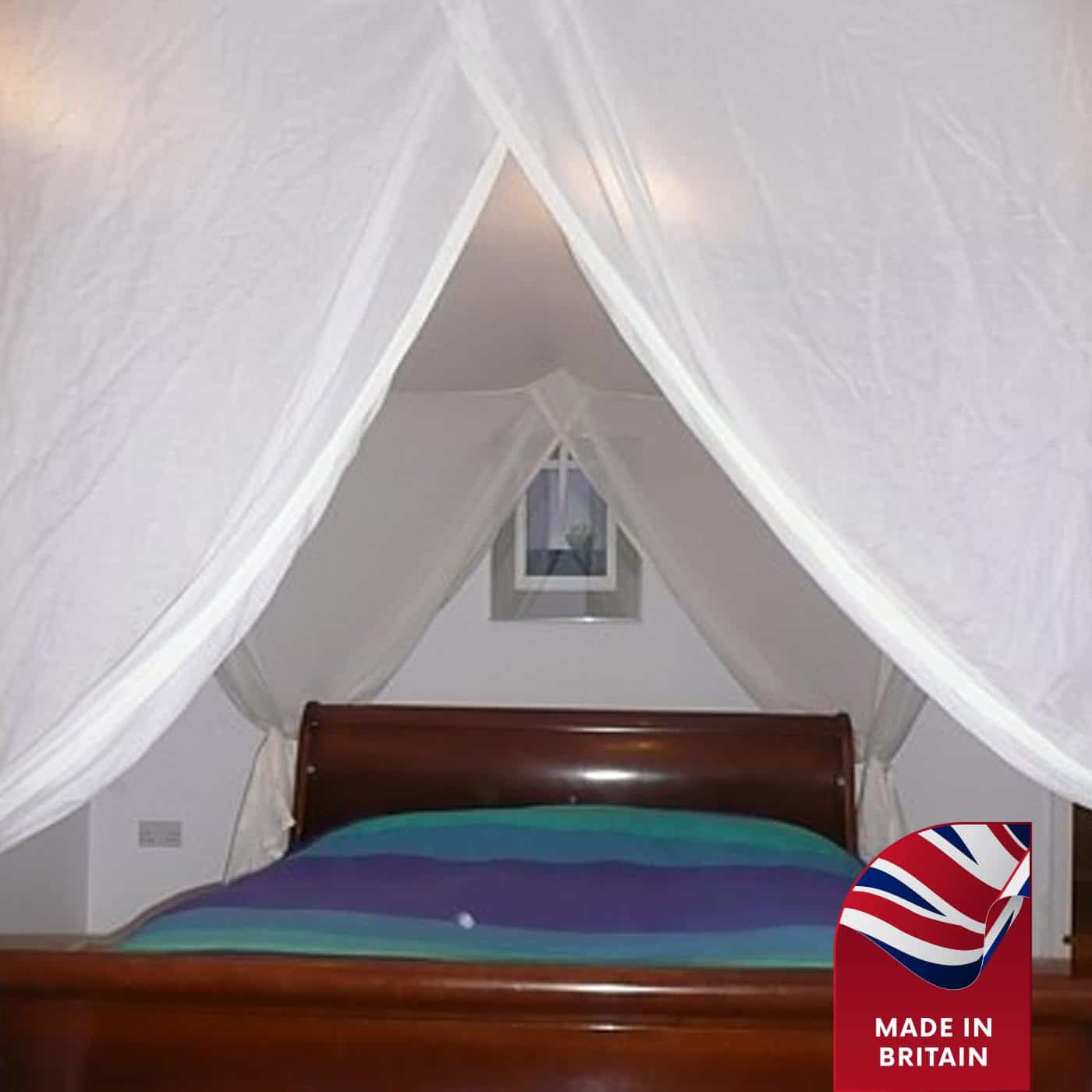
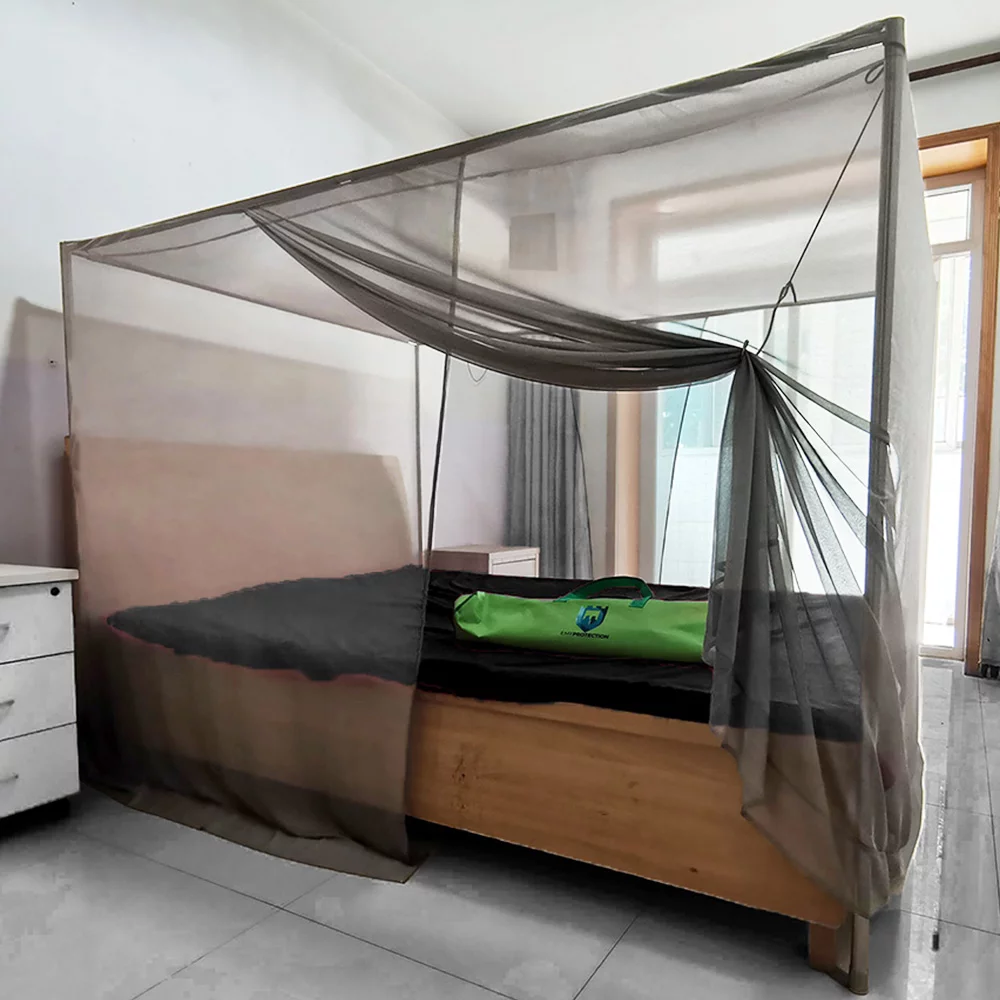
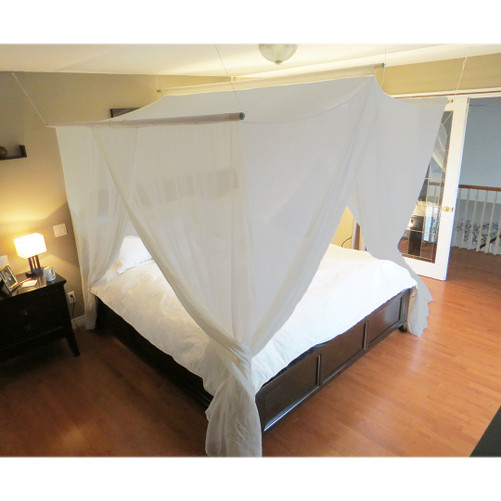
RF meters, shielding fabrics, Blushield devices, bed canopies, grounding products — independently selected.
Related Questions
References
All research cited is from peer-reviewed journals, government agency publications, or formal scientific appeals. This page does not constitute medical advice.
Related Products
Frequently Asked Questions
Standard glass provides almost zero attenuation of RF radiation — it is effectively transparent to microwave frequencies. This is the reason that mobile phone signals, WiFi, and 5G transmissions pass through windows without any meaningful reduction. It is also why window film is a critical component of any room-level RF shielding project: if walls are treated with shielding paint but windows are left untreated, the windows become the primary entry path for external RF sources, and the overall shielding of the room is largely negated. A properly shielded room must address both walls and windows.
Quality EMF shielding window films achieve 10–35dB attenuation at 2.4GHz depending on the film specification. A commonly used product is Scotchtint Safety S50/SH2CLAR or purpose-made RF shielding films like Yshield's window film products. Attenuation at 10dB reduces field strength to approximately 32% of incident level; at 20dB to 10%; at 30dB to 3%. The film must be correctly installed with full window coverage and proper overlap at edges — any gap or uncovered area reduces overall effectiveness. Published independent test data should be requested for any specific product.
Yes — EMF window film applies using a similar process to standard window tinting or privacy film. Clean the glass thoroughly, apply a water/soap solution to the glass surface, position the film, and use a squeegee to remove air bubbles and bond the film to the glass. Most shielding films have a slight tint or metallic appearance — check the visible light transmission specification if natural light is a priority. The key quality criterion is complete, bubble-free coverage with no gaps. A partial or poorly applied film will have significantly lower effective attenuation than the product's rated specification.
For RF shielding purposes, window film does not typically need to be grounded — the reflective/absorptive mechanism attenuates RF without requiring an earth connection. For ELF electric field shielding, the situation is more complex and grounding conductive materials may be relevant. Check the specific product specification and manufacturer guidance. If the film is being used as part of a comprehensive room shielding project that includes grounded wall paint, a qualified Building Biology practitioner should assess whether the window film grounding should be integrated with the wall treatment grounding.
Both are valid approaches. Shielding window film provides permanent, transparent-ish protection that requires no daily action. EMF shielding curtains using silver-fibre or copper-weave fabric can achieve similar or higher attenuation and have the advantage of being easily closed at night when outdoor RF sources are most relevant to sleep protection, without affecting daytime light. Curtains are also more easily replaced or upgraded. Film is more suitable when you want a fixed, low-maintenance solution and are willing to accept the slight visual change to the glass. Both should be verified with an RF meter after installation.