How to Choose the Right EMF Meter: RF vs ELF, Features & Budget Guide

Searching for an EMF meter reveals hundreds of products ranging from £15 smartphone accessories to £2,000 professional instruments. The most important step before choosing is understanding that different types of EMF require fundamentally different measurement technology — there is no single meter that accurately measures all sources.
Step 1: Identify Your Primary Concern
Ask yourself: what specific sources are you worried about? If the answer is WiFi, smart meters, 5G, or mobile phone signals → you need an RF broadband meter. If the answer is power lines, underground cables, mains wiring, or appliances → you need an ELF gaussmeter. If both → either a combination meter (Trifield TF2) or two separate instruments.
Quick Reference: Meter by Use Case
| Your Concern | Meter Type Needed | Recommended Option |
|---|---|---|
| WiFi / Smart Meters / 5G | RF broadband meter | Acoustimeter AM-11 |
| Power lines / Appliances | ELF gaussmeter | Alpha UHS2 or Trifield TF2 |
| General home survey (both) | Combination meter | Trifield TF2 or NFA1000 |
| Smart meter peak pulses | Peak-detecting RF meter | Acoustimeter AM-11 (has peak mode) |
| Professional site survey | Professional 3-in-1 | Gigahertz Solutions NFA1000 |
Key Features to Look For in an RF Meter
- Frequency range — should cover at minimum 100MHz–6GHz to capture WiFi (2.4/5GHz), 4G (700MHz–2.6GHz), and sub-6GHz 5G (3.4–3.8GHz)
- Peak detection — essential for smart meter assessment; average-only meters underestimate smart meter burst levels by a large factor
- Both V/m and µW/m² display — Building Biology thresholds are published in µW/m²; having both units avoids manual conversion
- Published frequency response — the manufacturer should publish a frequency response chart showing accuracy across the measurement range; flat response ±3dB is acceptable
- Audio output — audio monitoring lets you hear the pulsed character of different RF sources (smart meter bursts vs WiFi vs 4G) which is diagnostically useful
🛡 Expert-Selected EMF Protection
Shop Verified EMF Protection Products
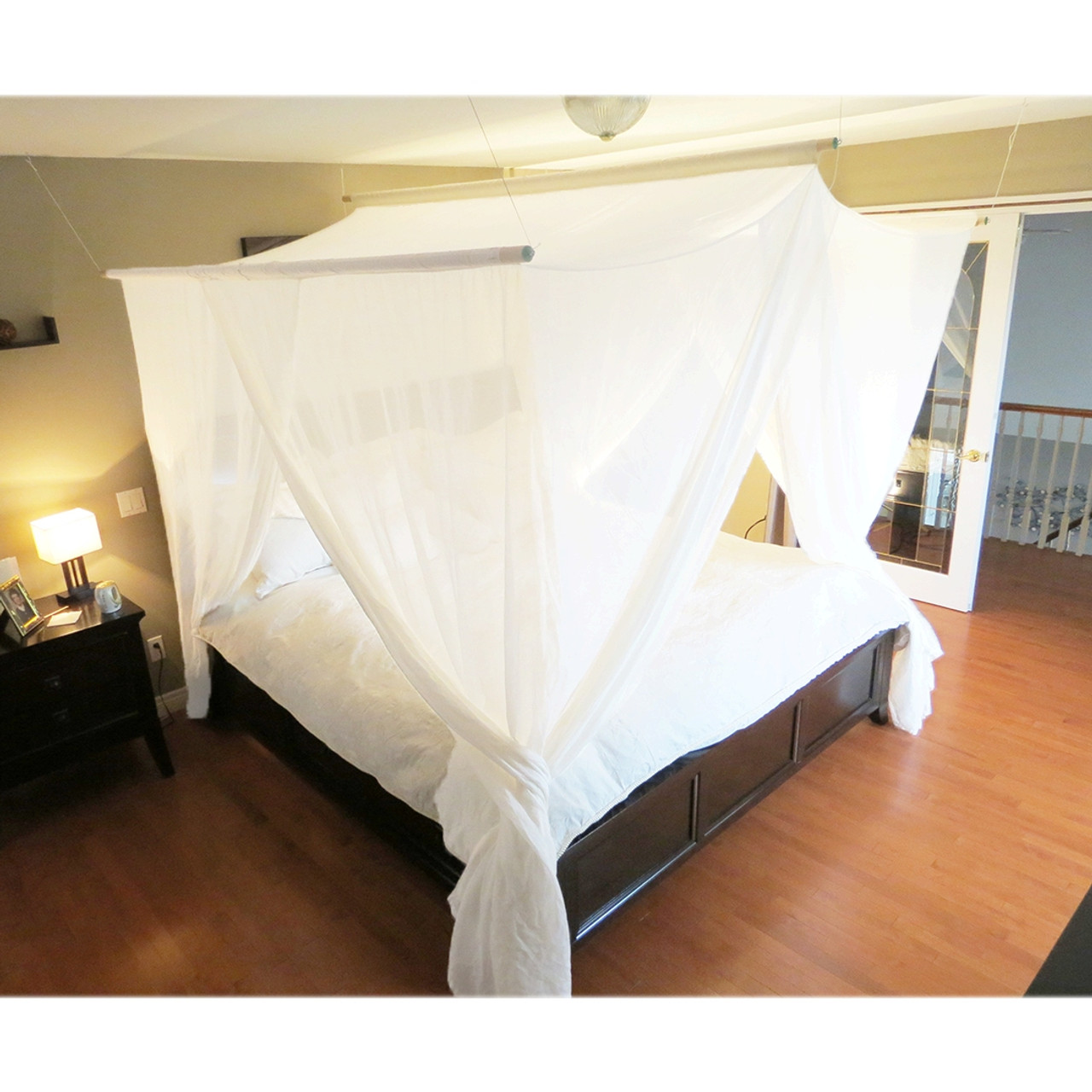
RF meters, shielding fabrics, Blushield devices, bed canopies, grounding products — independently selected.
Related Questions
References
All research cited is from peer-reviewed journals, government agency publications, or formal scientific appeals. This page does not constitute medical advice.
Related Products
.webp)





Frequently Asked Questions
RF meters measure radiofrequency electromagnetic fields — the wireless signals from WiFi routers, mobile phone networks, smart meters, DECT phones, Bluetooth, and 5G infrastructure. They typically measure field strength in V/m or power density in µW/m² at frequencies from around 100MHz to 8GHz or higher. Gaussmeters (also called magnetometers or ELF meters) measure extremely low frequency magnetic fields from mains electricity, power lines, transformers, electric motors, and wiring. They measure in microtesla (µT) or milligauss (mG) at 50/60Hz and harmonics. These are entirely different physical quantities requiring different instruments. You need to identify which type of EMF is your primary concern before buying.
For WiFi routers, smart meters, 4G/5G, DECT phones, and general indoor RF assessment, you need an RF broadband meter. The Acoustimeter AM-11 is the most widely recommended consumer-grade option — it accurately measures the frequency range relevant to all these sources and provides both average and peak readings in V/m and µW/m². For basic WiFi/smart meter assessment, less expensive options like the HF-B3G from Gigahertz Solutions or the Cornet ED88T provide reasonable accuracy at lower cost. Avoid very cheap Chinese-market RF meters with no published frequency response — accuracy at the frequencies relevant to WiFi and 4G is highly variable.
For power lines, underground cables, appliances, and wiring configuration concerns, you need an ELF magnetic field meter (gaussmeter). The Trifield TF2 is a popular all-in-one option that measures both RF and ELF magnetic fields and is suitable for basic residential assessment. For dedicated, high-sensitivity ELF measurement, the Alpha UHS2 gaussmeter is a more specialised option. The Gigahertz Solutions NFA1000 is a professional-grade three-in-one that measures ELF electric, ELF magnetic, and RF fields — the preferred instrument for full Building Biology site assessments.
For basic home assessment of the primary sources — WiFi router, smart meter, mobile phone — a mid-range RF meter (£100–200) is adequate. The Acoustimeter AM-11 (~£180) is the most recommended consumer option and provides genuine professional-grade accuracy. For ELF assessment of power line concerns, the Trifield TF2 (~£140) covers basic residential needs. Avoid sub-£50 RF meters — frequency accuracy is typically poor and readings unreliable at WiFi and 4G frequencies. Equally, for most domestic users, professional Building Biology instruments costing £500–2,000+ are overkill unless you are conducting surveys for others.
No — smartphone RF measurement apps (using the device's magnetometer) measure ELF magnetic fields only and with limited accuracy. They cannot measure RF radiation from WiFi, 4G, smart meters, or 5G — the phone's hardware simply does not contain the necessary RF detection circuitry. The magnetic field sensor in a phone is designed for compass/navigation use and is not calibrated for accurate ELF magnetic field measurement. Smartphone apps sold as 'EMF detectors' typically display the phone's own magnetic sensor output and are not reliable tools for environmental EMF assessment. A dedicated meter is required for any meaningful measurement.