Alpha UHS2 Gaussmeter: Full Review, Specs & Who It's For

The Alpha UHS2 gaussmeter appears in EMF research searches because it occupies a specific niche: professional-grade, ultra-high-sensitivity ELF magnetic field measurement at a price point accessible to informed consumers. Understanding what it does — and equally, what it does not do — is essential before purchase.
What Makes a Gaussmeter Different from an RF Meter
Most consumer EMF discussion focuses on RF radiation from WiFi, mobile phones, and smart meters. But ELF magnetic fields from power lines, underground cables, mains wiring, and household appliances are a distinct category of EMF requiring different instruments. A gaussmeter measures magnetic field strength in milligauss or microtesla at power-line frequencies (50Hz in UK/Europe, 60Hz in North America). An RF meter measures field strength in V/m or power density in µW/m² at megahertz to gigahertz frequencies. They are complementary, not interchangeable.
Alpha UHS2 Specifications
| Specification | Detail |
|---|---|
| Measurement type | 3-axis AC magnetic field (ELF) |
| Frequency range | 40–1,000 Hz (50/60Hz optimised) |
| Measurement range | 0.1–199.9 mG (0.01–19.99 µT) |
| Resolution | 0.1 mG (0.01 µT) |
| Display | Digital LCD |
| Units | mG and µT selectable |
| Axes | Three-axis simultaneous (RMS) |
| Primary use | Residential ELF assessment, power line proximity, wiring faults |
Building Biology Reference Thresholds (ELF Magnetic)
The Building Biology Institute SBM-2015 guidelines for sleeping areas: below 0.2 mG (0.02µT) = no anomaly; 0.2–1.0 mG = slight anomaly; 1.0–5.0 mG = severe anomaly; above 5.0 mG = extreme anomaly. The IARC childhood leukaemia threshold from Ahlbom et al. (2000) is 4 mG (0.4µT). ICNIRP public exposure limit for the general public at 50Hz is 100,000 mG (10,000µT) — illustrating the gap between safety guidelines and biologically evidenced thresholds.
Practical Measurement Tips
ELF magnetic fields vary significantly by time of day because they are proportional to the current load on the network. Measure during morning peak (7–9am) and evening peak (5–8pm) for the highest readings — these represent your worst-case exposure scenario. A reading taken at 2am on a weekend will be lower and less representative of average daily exposure. For bedrooms near power lines or substations, consider a 24-hour average measurement using a data-logging gaussmeter if available — these provide a more complete exposure picture than spot measurements alone.
🛡 Expert-Selected EMF Protection
Shop Verified EMF Protection Products
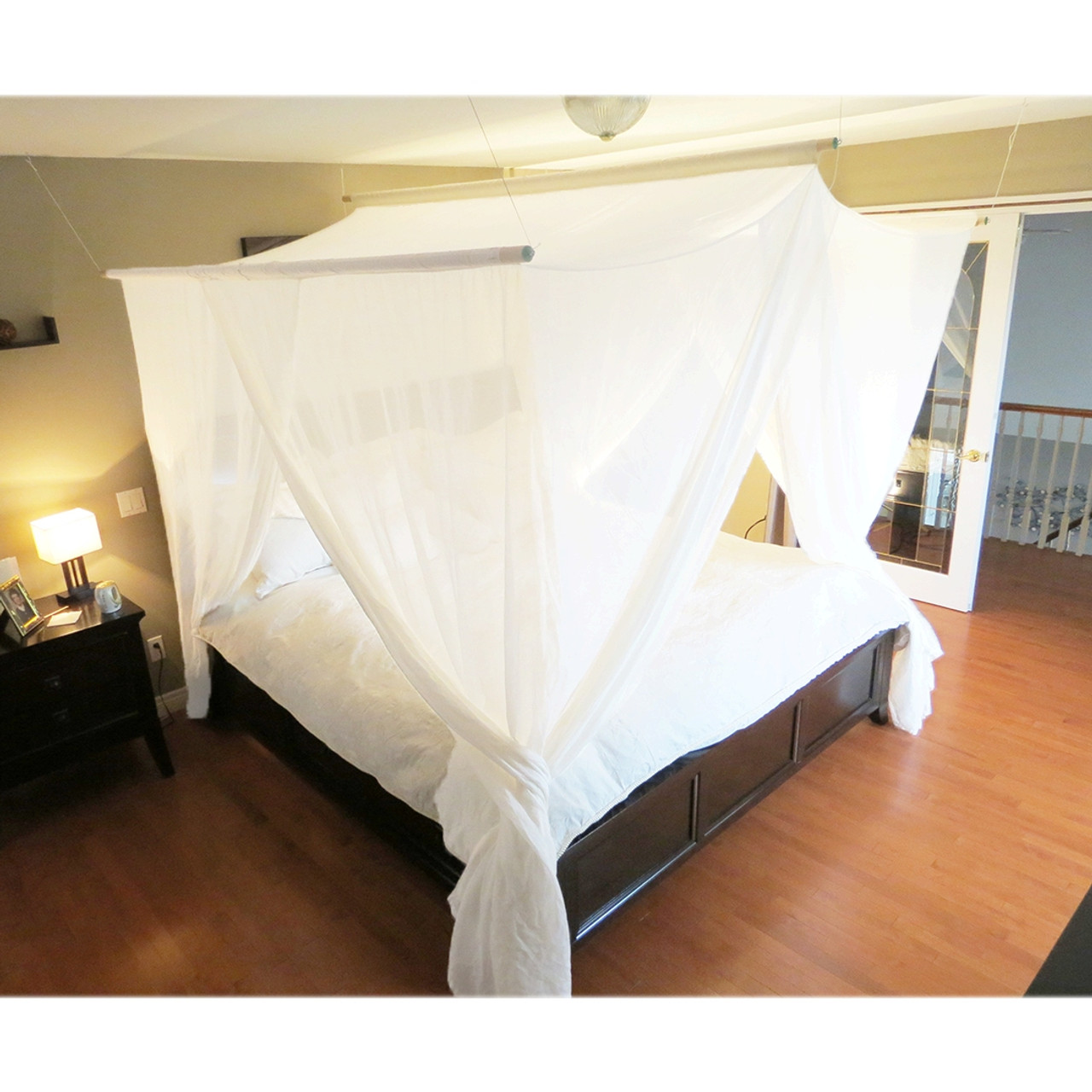
RF meters, shielding fabrics, Blushield devices, bed canopies, grounding products — independently selected.
Related Questions
References
All research cited is from peer-reviewed journals, government agency publications, or formal scientific appeals. This page does not constitute medical advice.
Related Products







Frequently Asked Questions
The Alpha UHS2 is a three-axis gaussmeter designed for measuring ELF (extremely low frequency) AC magnetic fields, primarily at the 50/60Hz mains frequency and its harmonics. It measures in milligauss (mG) or microtesla (µT) — both units for magnetic field strength, with 1µT = 10mG. It is designed for the low-level measurement range most relevant to residential EMF assessment: power line fields, appliance fields, wiring configuration problems, and dirty electricity magnetic components. It does not measure RF (radiofrequency) radiation from WiFi, mobile phones, or smart meters — a separate RF meter is required for those frequencies.
The Alpha UHS2 is specified to measure from approximately 0.1mG (0.01µT) to 199.9mG (19.99µT) in its standard range — well suited for residential Building Biology assessment where the key threshold (Ahlbom childhood leukaemia association) is 4mG (0.4µT). The 'UHS' designation refers to Ultra High Sensitivity — the meter is designed to accurately resolve very low magnetic field levels that basic consumer gaussmeters may struggle with. Its three-axis measurement capability means it captures the total field vector simultaneously rather than requiring separate measurement of each axis, which gives more accurate and faster readings in real-world environments.
Both are three-axis meters but they target different use cases. The Trifield TF2 is a multi-mode instrument that measures RF (100kHz–8GHz), AC magnetic fields (40–100Hz), and AC electric fields — a versatile all-in-one tool for home surveys. The Alpha UHS2 is a dedicated gaussmeter focused exclusively on AC magnetic fields with higher sensitivity at low field levels. If your primary concern is power lines, underground cables, appliance fields, or wiring configuration issues, the Alpha UHS2's dedicated low-level sensitivity gives it an advantage. If you want a single instrument for both RF and ELF assessment, the TF2 is the more versatile choice.
The Alpha UHS2 is best suited for: Building Biology practitioners who need precise ELF magnetic field measurements for client assessments; homebuyers or renters evaluating a property near power lines, substations, or underground cables; individuals with EHS who need to map and minimise ELF magnetic fields in their home; parents assessing a child's bedroom for ELF exposure; and anyone specifically concerned about the childhood leukaemia/power line association who wants to measure at the 0.4µT (4mG) threshold level with confidence. If you only need RF measurement (WiFi, 4G, smart meters), the Alpha UHS2 is not the right tool.
Start at the rooms where most time is spent, particularly bedrooms. Hold the meter at the height of the sleeping surface and move slowly through the room, noting readings. Walk the perimeter of each room paying particular attention to areas above underground cables, near the mains consumer unit, near smart meters, and near external walls facing electricity infrastructure. Record the highest readings in each area. Compare against Building Biology thresholds: below 0.2mG (0.02µT) = no anomaly; 0.2–1mG = slight concern; 1–5mG = severe; above 5mG = extreme anomaly. A single spot reading is less informative than multiple readings taken over different times of day, as mains current load (and therefore magnetic field levels) varies.