5G Small Cell Near Your Home: Risks, Your Rights & Practical Steps

📋 Page Summary
5G small cell near your home: 5G small cells are low-power base stations mounted on lamp posts and street furniture — now common in most UK cities. To check if one is near you: use Ofcom Sitefinder or mastdata.com and enter your postcode. If a 5G cell is within 100 metres: (1) measure indoor RF levels with an Acoustimeter AM-11 at each window and the bedroom; (2) if readings exceed 1,000 µW/m² apply EMF window film to facing windows — typical attenuation 20–30 dB; (3) apply EMF shielding paint to the facing wall for additional reduction; (4) verify with before-and-after measurements. Planning objections on health grounds have limited legal standing under current UK permitted development rights for small cells.
5G small cells are being installed on lamp posts, building facades, and street furniture in residential areas across the UK, often under Permitted Development Rights that bypass the standard planning permission process. For homeowners who wake up to find a transmitter on the lamp post outside their bedroom window, the questions are: what does this mean for my RF exposure, what are my rights, and what can I actually do?
Sub-6GHz 5G Small Cells: The Exposure Profile
The 5G being deployed in UK residential streets is predominantly sub-6GHz — the 3.4–3.8GHz n77/n78 bands. Small cells operating at this frequency are designed for coverage radii of 100–300 metres and typically transmit at lower power than a full-size 4G mast. However, their defining characteristic is proximity: a lamp-post small cell directly outside a first-floor bedroom window may be only 8–15 metres from the occupant's sleeping position. At that distance, the inverse square law means that even a relatively low-power cell can produce measurable RF levels indoors.
Unlike a 4G mast on a rooftop 500 metres away, a small cell on the adjacent pavement is a fundamentally different exposure scenario — the geometry of proximity changes the practical impact significantly.
Measure Before You Act
Before implementing any shielding measures, measure your indoor RF levels with an RF meter that covers the 3.4–3.8GHz band. This serves two purposes: (1) it establishes whether the small cell is actually contributing significantly to your indoor RF environment — your own router may be a larger contributor than a distant cell; (2) it provides before-and-after data to verify whether your shielding measures are working. RF meters like the Acoustimeter AM-11 cover the relevant 5G sub-6GHz bands and are the appropriate tool for this assessment.
Planning and Rights: The UK Situation
The UK government has progressively relaxed planning restrictions on telecommunications infrastructure to accelerate 5G rollout. The Infrastructure (Wales) Act and changes to the Town and Country Planning (General Permitted Development) Order in England have expanded the situations where mast installation qualifies as Permitted Development. Key points for residents: small cells below 50cm diameter and meeting other criteria can be installed without planning permission in many cases; operators must still follow the Electronic Communications Code and NPPF guidance; local authorities retain the ability to require full planning applications for installations in protected areas or above certain dimensions. Campaigners have had more success challenging installations on aesthetic and heritage grounds than on health grounds in planning tribunals — though health concerns can be raised as material considerations.
🛡 Expert-Selected EMF Protection
Shop Verified EMF Protection Products
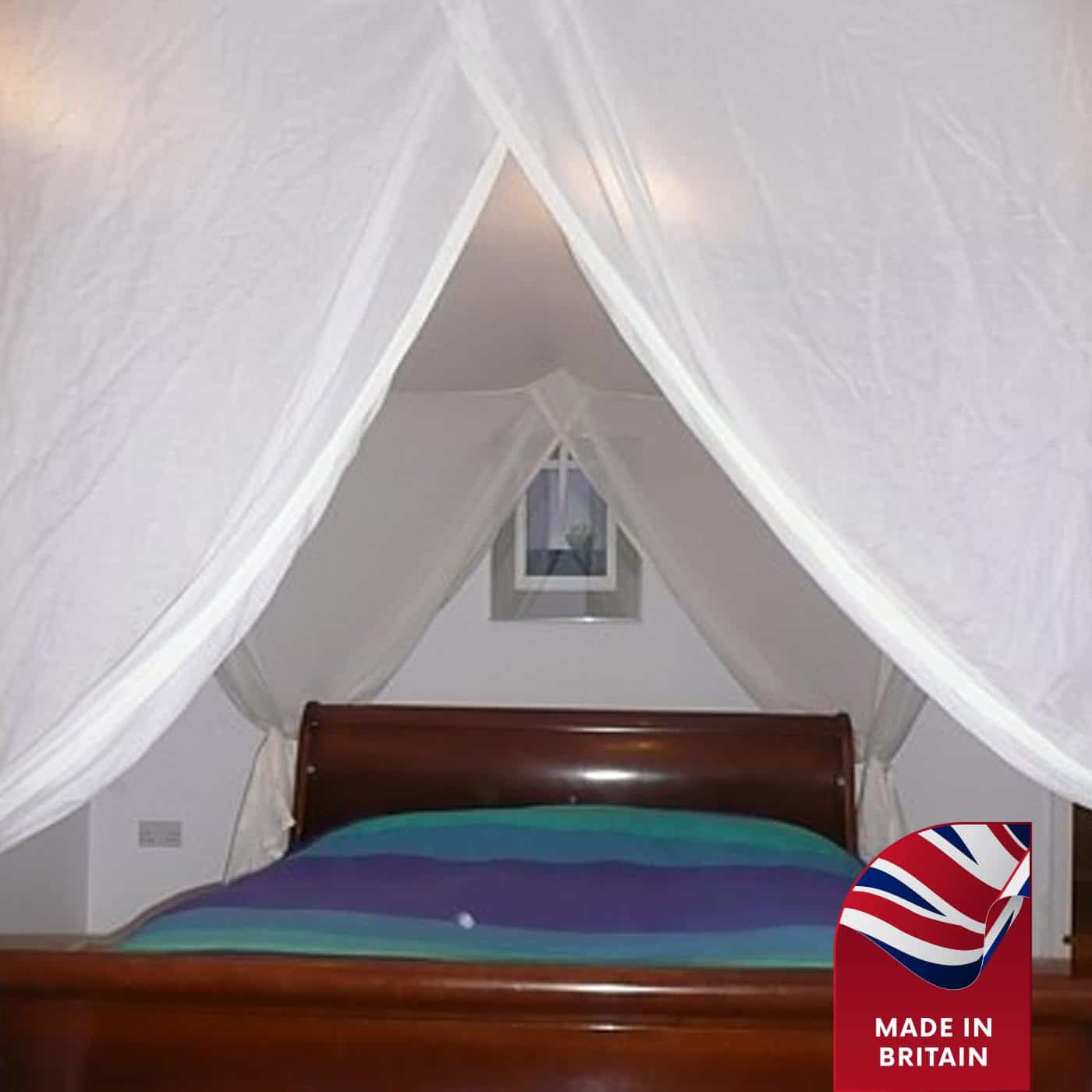
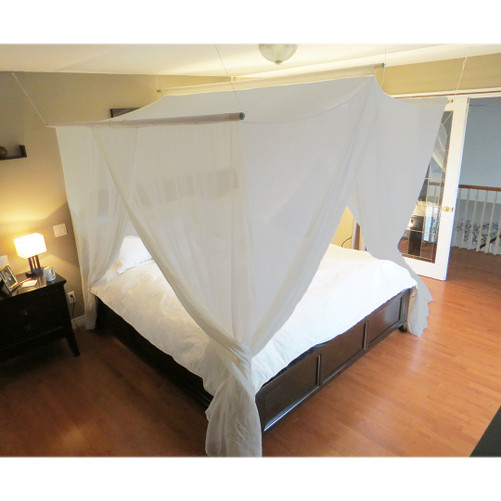
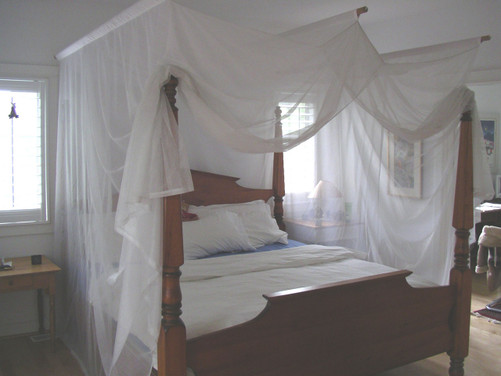
RF meters, shielding fabrics, Blushield devices, bed canopies, grounding products — independently selected.
Related Questions
References
All research cited is from peer-reviewed journals, government agency publications, or formal scientific appeals. This page does not constitute medical advice.
Related Products


Frequently Asked Questions
There is no official minimum separation distance in UK regulations — planning rules for small cells use Permitted Development Rights (PDR) allowing installation without full planning permission in many cases, subject to conditions including a minimum height of 2.5 metres. The 5G Appeal scientists, the ICNIRP guidelines themselves, and the Building Biology precautionary thresholds all suggest different answers. Building Biology practitioners typically recommend measuring RF levels at the property and working toward the sleeping area threshold of 0.1 µW/m² as a target — what distance achieves this depends on the specific cell's power output and orientation. A small cell directly outside a bedroom window at 10 metres is a materially different scenario from one at 50 metres on the other side of the street.
In the UK, many small cell installations use Permitted Development Rights (PDR) and therefore do not require a formal planning application — meaning there is no automatic public consultation process. However: (1) Certain installations (on listed buildings, in conservation areas, exceeding height or size thresholds) still require full planning permission; (2) The code of practice for telecommunications infrastructure requires operators to consult with local highway authorities and in some cases local residents before installation; (3) Parish and town councils can be engaged on local infrastructure concerns; (4) If health concerns are raised, some local authorities have sought to require more detailed EMF assessments before approving installations. The 5G Appeal website and StopUmts and other advocacy organisations publish guidance on objection processes by country.
You need an RF broadband meter that covers the 5G sub-6GHz frequency bands — particularly 3.4–3.8GHz. The Acoustimeter AM-11 covers up to 8GHz and will detect sub-6GHz 5G. Position the meter at your bedroom window (or wherever closest to the small cell), at the bed position, and at different heights throughout the room. Measure at different times of day — 5G traffic load varies significantly, and field levels will be higher during peak usage periods. Record both average and peak readings. Compare against Building Biology thresholds and note whether the cell is contributing significantly to your indoor RF environment compared to baseline readings from your own router and other local sources.
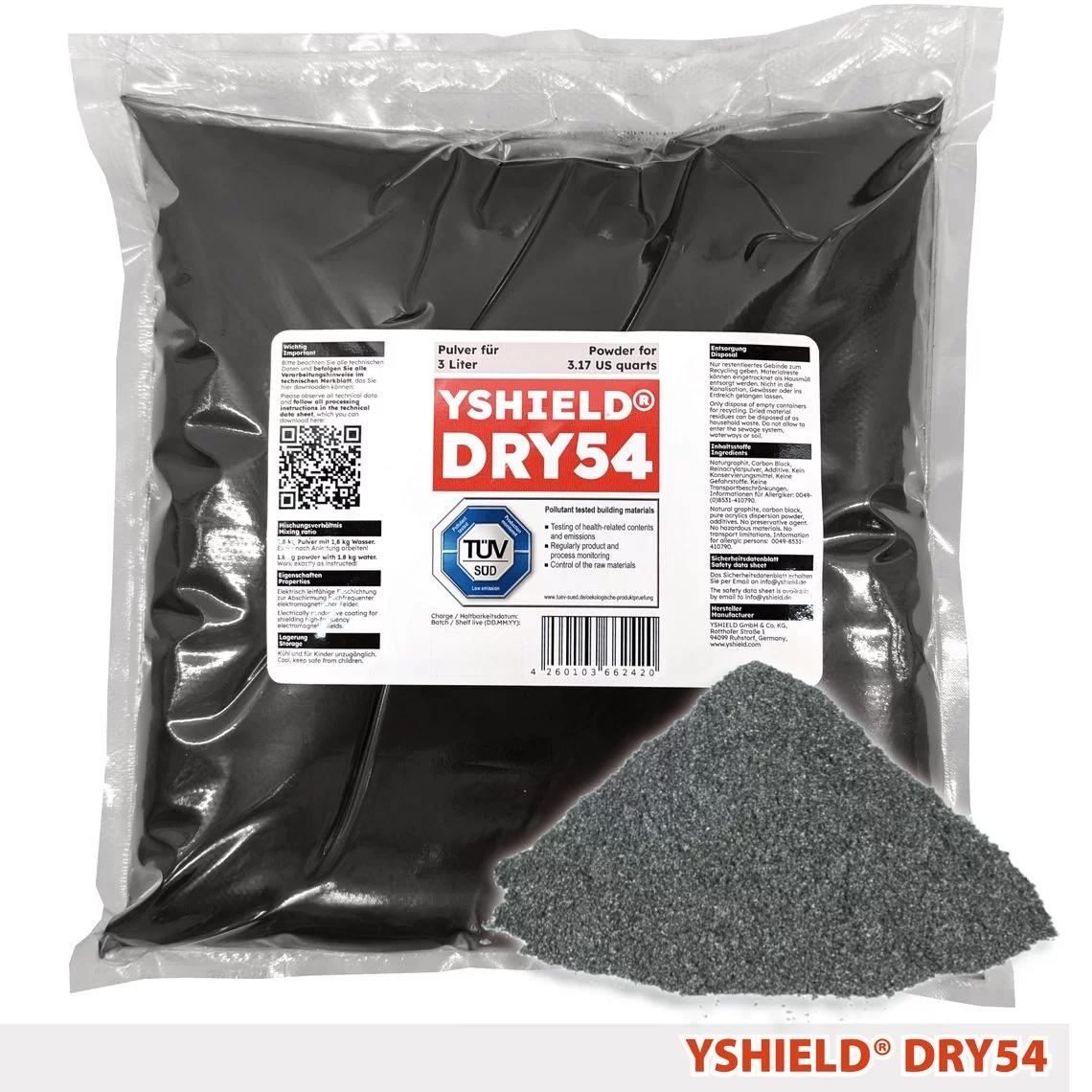
Yes — shielding measures are available but should be proportionate to measured levels. First, measure your exposure to establish whether the small cell is actually contributing significant RF to your home (some small cells on distant lamp posts contribute less indoor RF than a nearby router). If the cell is a dominant source: (1) EMF window film on the facing windows — this is typically the primary entry point; (2) EMF shielding paint on the facing wall; (3) Repositioning sleeping areas away from the facing wall; (4) EMF shielding curtains closed during sleep. A Building Biology practitioner can conduct a professional assessment and recommend proportionate measures based on measured levels rather than proximity alone.
5G networks are still being built out — current UK deployments operate at relatively low power as coverage is established. As the technology matures and demand increases, network operators typically increase cell power and add additional frequency bands. mmWave 5G (24GHz+), which has not been significantly deployed in UK residential areas yet, represents a qualitatively different exposure type when and if it is deployed at street level. The density of small cell networks is also expected to increase — more cells per area — as coverage targets are met. This means the RF environment in UK residential streets will continue to change over the next 5–10 years, making periodic measurement more valuable than a one-time assessment.